
Reviewed · COOKING CLASSES
Rome: Homemade Pasta and Tiramisu Cooking Class
The best part of this Rome class is that you do not just watch pasta being made. You work the dough yourself, cut it by hand, prepare tiramisu, and then eat the results at Osteria San Giorgio. The lesson connects a simple meal with the customs and food stories behind it.
I like the practical focus on three pasta shapes, especially the chance to see how pappardelle, tagliatelle, and tonnarelli differ. I also like that the meal is built into the experience, with your pasta and tiramisu served alongside a glass of wine.
The main catch is dietary: this is not suitable for vegans or for people with gluten or lactose intolerance. The class takes place in a working restaurant, so the setting may feel less private than a small home kitchen, and one participant found the attention from kitchen staff a little uncomfortable.
In This Review
- Key points at a glance
- Why this class is more than a pasta demonstration
- Working through pappardelle, tagliatelle, and tonnarelli
- Making tiramisu without overcomplicating it
- Eating at Osteria San Giorgio after the lesson
- The instructors make a real difference
- What $65 gets you in Rome
- Who should book this cooking class
- How to prepare for a better class
- Timing, meeting point, and practical details
- Should you book it?
- FAQ
- How long does the Rome pasta and tiramisu class last?
- How much does the experience cost?
- Where does the class meet?
- Is the class taught in English?
- What pasta shapes will I learn about?
- Do I make the pasta myself?
- Is tiramisu included in the cooking lesson?
- Is food and drink included?
- Is the class suitable for dietary restrictions?
- Can I cancel for a refund?
Key points at a glance
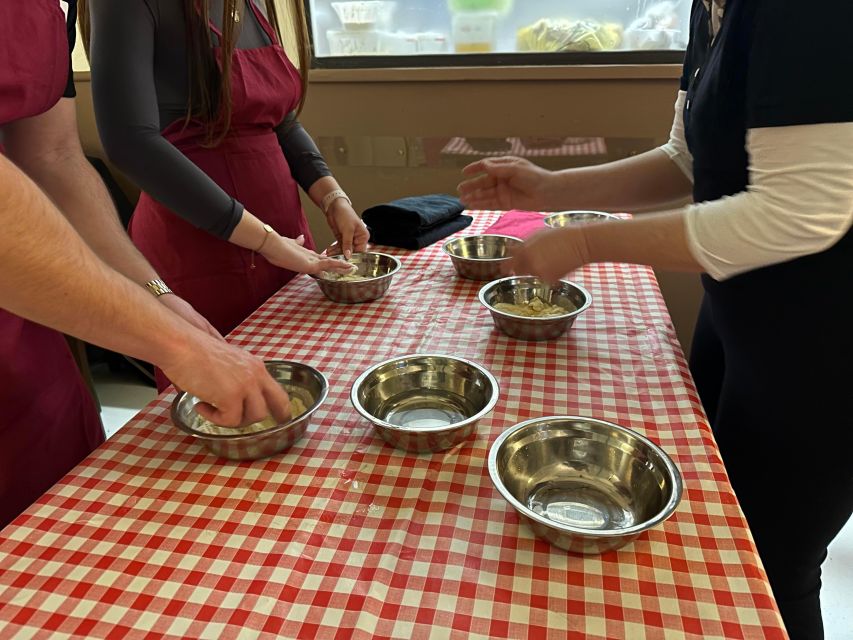
- You make the meal yourself: Mix flour and water, knead dough, roll it, and cut it by hand.
- Three Roman pasta shapes are covered: Learn the differences between pappardelle, tagliatelle, and tonnarelli.
- Tiramisu is part of the lesson: Prepare the espresso-dipped dessert rather than simply eating it.
- The food is served afterward: Sit down at Osteria San Giorgio and eat what you made with water and wine.
- The class is in English: Instructors have included Kristian, Christian Simeoni, Luca, and Elisabetta.
- It suits flexible plans: The class lasts 2.5 hours, costs $65 per person, and allows cancellation up to 24 hours before the start for a full refund.
Why this class is more than a pasta demonstration
Rome offers plenty of food tours, but a cooking lesson gives you something to take home besides a full stomach. Here, you learn the basic actions that turn a few ordinary ingredients into a Roman-style meal.
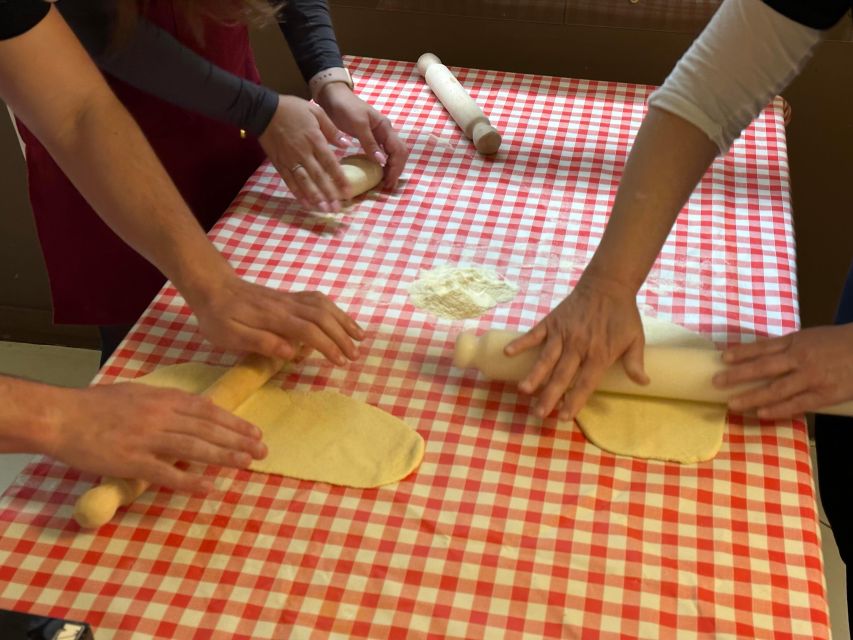
The class begins with pasta and uses a hands-on method. You mix flour and water, knead the dough, roll it, and cut it. That matters because pasta-making is easier to understand when your hands feel the change from rough mixture to smooth dough.
I like this kind of instruction for a first cooking class. You are not expected to arrive with advanced kitchen skills, and the process is broken into clear steps. One participant brought a partner who had never cooked anything this complex, and the experience still felt manageable and fun.
The lesson also explains the cultural side of Italian food. You learn why pasta shapes matter, how recipes fit into daily life, and what to look for when buying ingredients. That background helps you cook with more judgment at home instead of following a recipe by numbers.
More gelato and tiramisu classes:
- 3 in 1 Cooking Class near Navona: Fettuccine, Ravioli & Tiramisu
★ 5.0 · 7,376 reviews - Rome: Pasta & Tiramisu Class with Fine Wine by the Vatican
★ 4.9 · 4,852 reviews - Rome: 3-in-1 Fettuccine, Ravioli, and Tiramisu Cooking Class
★ 4.9 · 2,704 reviews
Working through pappardelle, tagliatelle, and tonnarelli
The pasta section is the heart of the experience. You work with dough, rather than simply watching an instructor produce a perfect sheet in seconds.
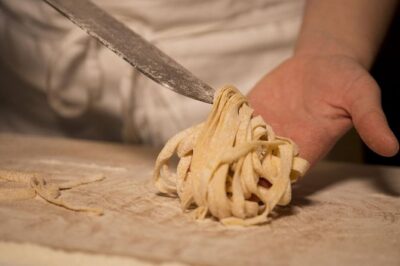
The three named pasta types give the lesson a useful point of comparison. Pappardelle is associated with broad ribbons, tagliatelle with narrower strips, and tonnarelli with a thicker, more substantial shape. The class helps you see and feel those differences as you roll and cut.
You also get a lesson in hand-cutting. That is a valuable skill because you can repeat it at home without buying a pasta machine. Your final strips may not all look identical, but that is part of the charm, and the class is designed to teach the method rather than demand restaurant-level precision.
The instructor shares tips for choosing better ingredients. The provided details do not specify particular brands or shops, so you should not expect a fixed shopping list, but you will receive general guidance on sourcing products for a more convincing Italian result.
Several instructors have led this class, including Kristian, Christian Simeoni, Luca, and Elisabetta. The strongest pattern in the feedback is their friendly, patient approach, with Kristian and Christian also praised for discussing Italian food culture, Rome, recipes, and wine.
Making tiramisu without overcomplicating it
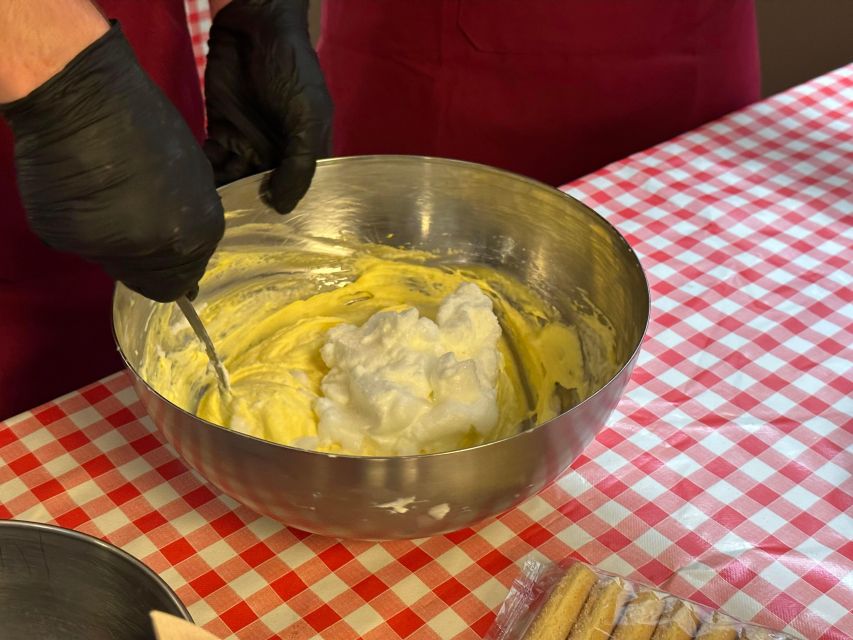
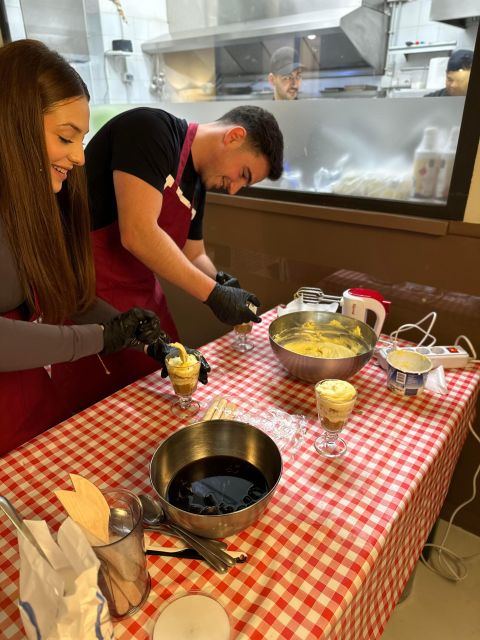
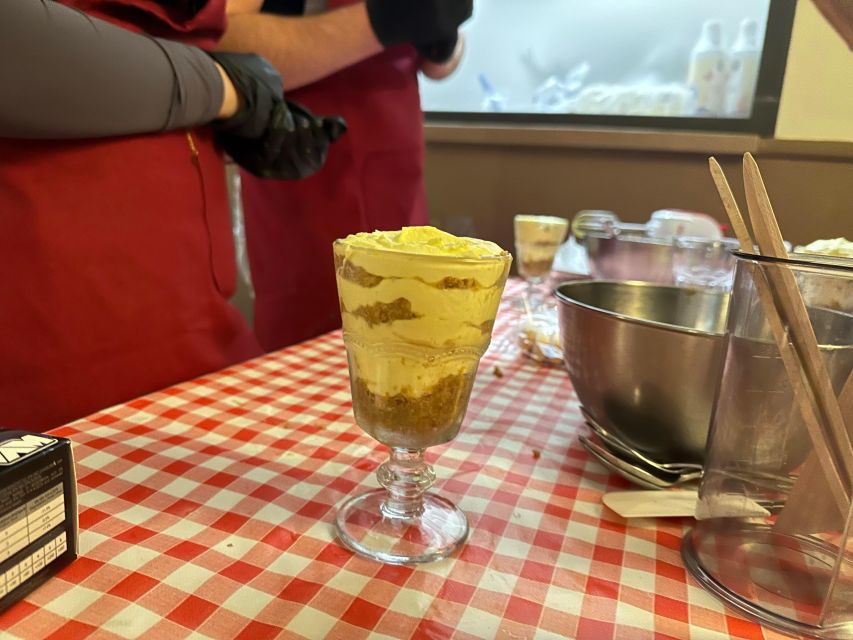
After the pasta work, you turn to tiramisu. This keeps the class from becoming a single-note lesson and gives you a second recipe to repeat at home.
The dessert is built around espresso-dipped components and a creamy finish. The attraction here is its simplicity. Tiramisu can look like a restaurant-only dessert, but the class shows you the basic sequence and the balance of ingredients in a way that feels practical for a home cook.
The tiramisu section is also a good break from kneading and rolling. Pasta asks for effort and attention, while the dessert gives you a different set of tasks involving assembly and texture.
You should keep your expectations sensible. The supplied information does not name every ingredient or provide a full recipe, so you will learn the preparation in class but may need to take notes if you want to reproduce every amount precisely.
Eating at Osteria San Giorgio after the lesson
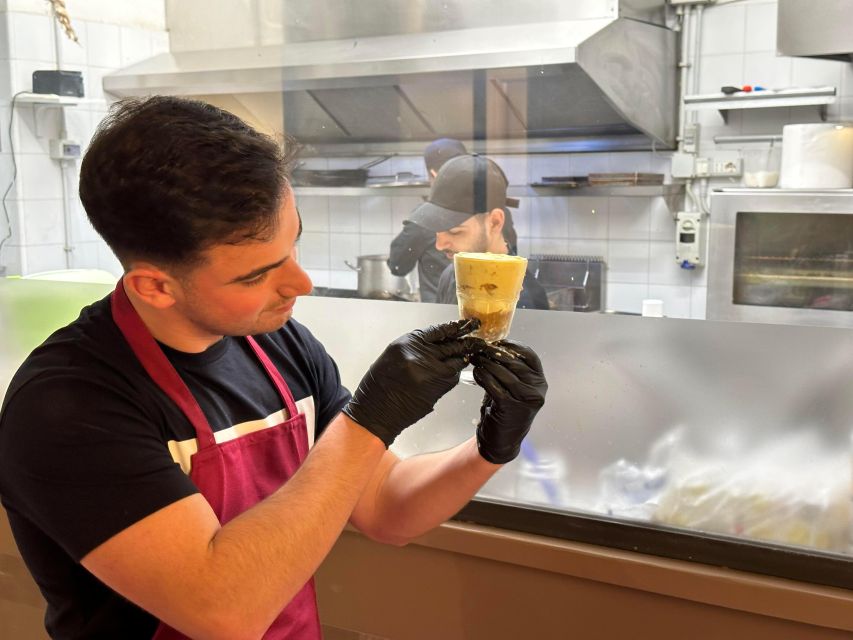
The cooking does not end with a plate handed over by someone else. Once the work is finished, you sit down at the restaurant and eat the pasta and tiramisu you prepared.
That meal is a major part of the value. A cooking class can feel expensive if you pay for instruction and then still need to find dinner. Here, the food you make becomes the meal, and water plus one glass of wine are included.
The restaurant setting also gives the class a sense of place. Osteria San Giorgio is described as a traditional restaurant, and the staff have been praised for helping with the meal after the cooking portion. You are not just practicing a recipe in a classroom and leaving with an uncertain result.
This format works well for couples and families. Couples have described the experience as relaxed and social, while one parent took two children and found that Elisabetta explained the process carefully enough for them to enjoy it.
The atmosphere may not suit everyone. One participant said that kitchen staff watched the cooking closely, which felt uncomfortable when only two young women were taking part. That may have been a one-off feeling, but anyone wanting a quiet, private lesson should ask about the group and restaurant setup before booking.
More cooking classes in Rome:
- Rome: Pasta Making Class with Wine, Limoncello, and Dessert
★ 4.9 · 3,177 reviews - Rome: Fettuccine Pasta Cooking Class in Rome’s City Center
★ 4.8 · 2,414 reviews - Rome: Traditional Pasta with Cocktails Cooking Class
★ 5.0 · 2,374 reviews - Rome: Fettuccine and Tiramisu Cooking Class with Wine
★ 4.8 · 2,013 reviews
The instructors make a real difference
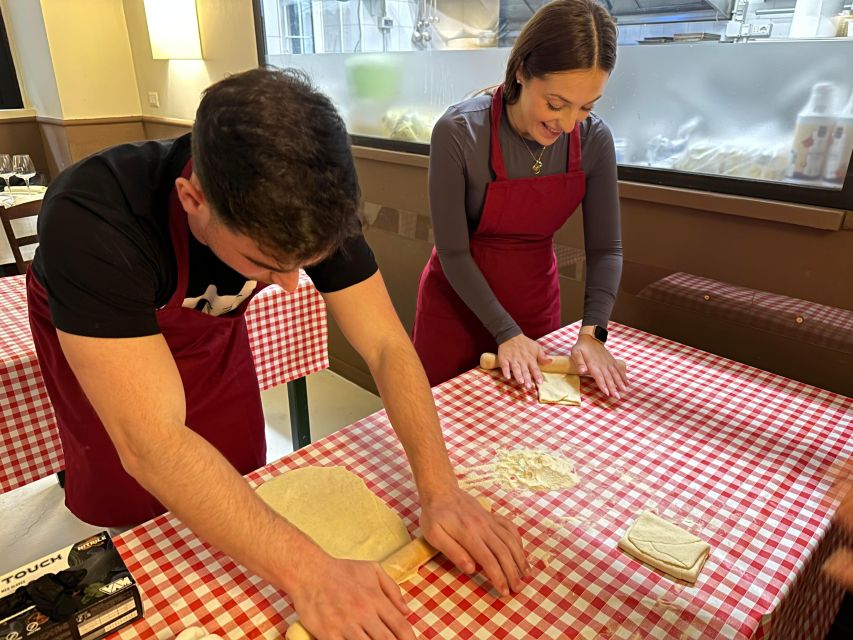
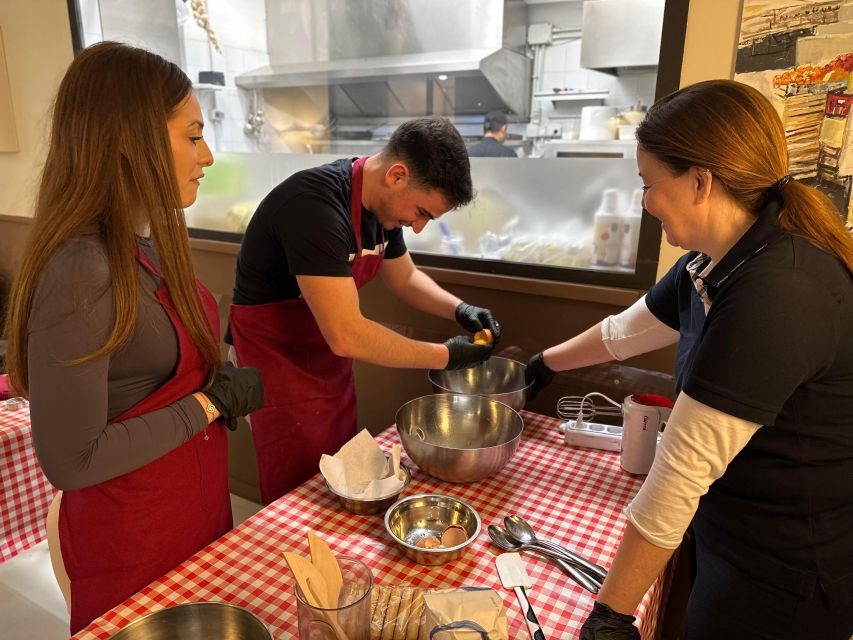
The class is conducted in English, and the instructor is central to how useful the experience feels. The available feedback points to several teachers rather than one guaranteed host, so your instructor may be Kristian, Christian Simeoni, Luca, Elisabetta, or another member of the team.
Kristian received especially warm praise for a relaxed, easygoing manner and for sharing cooking advice and local recommendations. Christian Simeoni was also praised for explaining Italian culture and food history, helping the meal feel connected to Rome rather than just being a generic pasta workshop.
Luca was described as bringing strong food knowledge to the teaching. Elisabetta was praised for being thorough, patient, and engaging with both adults and children.
The common thread is participation. You should expect to ask questions, handle the ingredients, and speak with the instructor during the process. This is not a silent demonstration where you sit back and take photos.
You may also hear about Rome beyond the kitchen. Participants have asked instructors about local life, places to visit, and cooking at home. Those conversations are not listed as a formal tour feature, so treat them as a useful bonus rather than a guaranteed sightseeing session.
What $65 gets you in Rome
At $65 per person, this class offers a fair package for a 2.5-hour activity. You receive the instruction, ingredients, utensils, water, wine, and a cooked meal of pasta and tiramisu.
The price looks better when you count the complete evening. You are getting a guided activity and food rather than paying separately for a lesson and dinner. The value is strongest if you enjoy participation and want skills you can use again.
It is less compelling if you only want to eat Roman food. A restaurant meal may be simpler and more suitable for someone who does not enjoy kitchen work. The class asks you to spend part of your Rome time kneading dough, cutting pasta, and preparing dessert.
Still, the take-home value is real. After two and a half hours, you should understand the basic process well enough to try it again, and you will have learned how pasta shape, ingredients, and technique affect the final plate.
The reserve-now, pay-later option can help if your Rome schedule is still shifting. Cancellation is free up to 24 hours in advance for a full refund, which is useful when you are arranging several timed activities.
Who should book this cooking class
I would recommend it most strongly to couples, families, and first-time cooking-class participants. The format is social without requiring expert skills, and children can take part when accompanied by adults, as shown by the family experience with Elisabetta.
It also suits anyone who wants a souvenir that is not another photograph. The recipes, hand-cutting method, ingredient guidance, and tiramisu technique can all be used after you return home.
Food-focused visitors will get the most from the cultural explanations. If you like knowing why a dish is prepared a certain way, ask about the pasta shapes, local habits, and ingredient choices as you work.
This is not a good fit for a vegan or anyone with gluten or lactose intolerance. The listed menu and ingredients make those restrictions a clear issue, and no alternative preparation is promised.
The class is wheelchair accessible, which removes one common barrier, though the supplied information does not describe the exact kitchen layout or seating arrangement. If you need a particular setup, confirm details before paying.
How to prepare for a better class
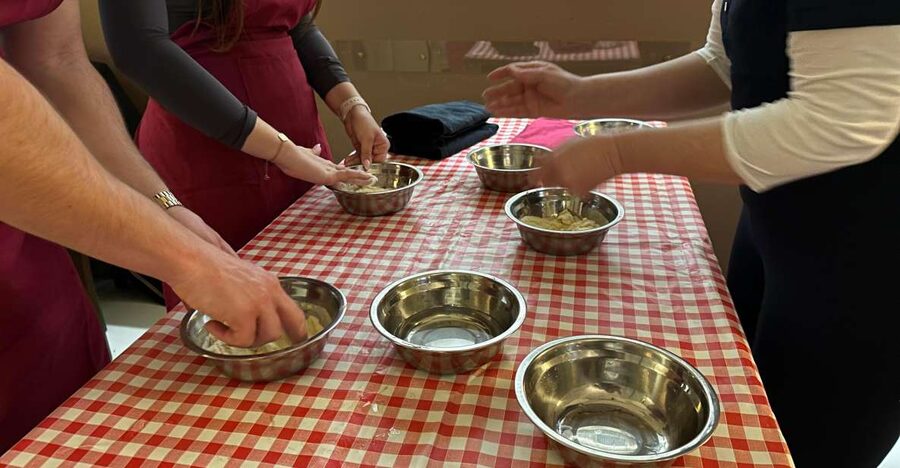
Arrive ready to work with your hands. Loose, comfortable clothing is sensible for any cooking lesson, though no special equipment is listed as necessary.
Do not plan a large meal immediately before the class. You will eat pasta, tiramisu, and wine afterward, so the activity functions well as a substantial meal in its own right.
Bring questions. The instructors have been praised for explaining recipes, Italian food culture, wine, and local life. You can make the lesson more useful by asking about ingredient substitutions, home equipment, and how to repeat the pasta method in your own kitchen.
Pay attention to texture rather than just timing. The most useful lesson is learning how dough should feel as it changes, how thick the sheets should be, and how wide the strips should become. Those clues are more helpful at home than a timer alone.
If you want to recreate the dishes precisely, write down measurements and steps. The class teaches the process, but a complete printed recipe is not listed among the inclusions.
Timing, meeting point, and practical details
The meeting point is Osteria San Giorgio in Rome, in Lazio. Check the available start times when booking because the class schedule is not fixed in the information provided.
Allow the full 2.5 hours. The time includes the pasta lesson, tiramisu preparation, and eating the finished food, so it is not a quick demonstration you can squeeze into a short gap between major sights.
The class is taught in English. All ingredients and utensils are supplied, along with water and a glass of wine, so you do not need to bring cooking tools or shop for food beforehand.
The experience is provided by Orange Umbrella Srl. Since several instructors may lead it, the exact personality and teaching style can vary, but the strongest pattern is a friendly, relaxed approach with plenty of explanation.
Should you book it?
Book this class if you want to make your Rome meal instead of simply ordering it. At $65, the combination of hands-on pasta work, tiramisu, restaurant dining, wine, and English instruction gives you solid value for a half day activity.
I would especially choose it for a couple or family looking for something easygoing and useful. The main reasons to hesitate are the dietary limits, the possibility of a working-restaurant atmosphere, and the fact that you may prefer sightseeing to kitchen time.
For most people who enjoy Italian food and want to carry a skill home, this is a smart Rome add-on. You leave with more than a full plate: you understand how to roll and cut pasta, how tiramisu comes together, and how a simple meal can carry a lot of local character.
FAQ
How long does the Rome pasta and tiramisu class last?
The class lasts 2.5 hours, including the cooking activities and the meal afterward.
How much does the experience cost?
The price is $65 per person.
Where does the class meet?
You should go to Osteria San Giorgio, the stated meeting point for the activity.
Is the class taught in English?
Yes. The instructor teaches in English, and English is the listed language.
What pasta shapes will I learn about?
The class covers pappardelle, tagliatelle, and tonnarelli, including their differences and hand-cutting methods.
Do I make the pasta myself?
Yes. You mix flour and water, knead the dough, roll it, and cut it by hand with guidance from the instructor.
Is tiramisu included in the cooking lesson?
Yes. You prepare tiramisu during the class and eat the finished dessert afterward.
Is food and drink included?
All ingredients and utensils are included, along with water and one glass of wine. You also eat the pasta and tiramisu you prepare.
Is the class suitable for dietary restrictions?
It is not suitable for vegans, people with gluten intolerance, or people with lactose intolerance.
Can I cancel for a refund?
Yes. You can cancel up to 24 hours in advance for a full refund. You can also reserve now and pay later.
More Workshops in Rome
- Rome: Pasta & Tiramisu Cooking Class near the Spanish Steps
★ 4.8 · 1,395 reviews - Rome Tipsy Cooking Class: Make Pasta and Mix 3 Spritz Cocktails
★ 5.0 · 1,357 reviews - Cooking Class in the Heart of Rome: Pizza and Tiramisu Making
★ 5.0 · 1,330 reviews - Rome Pasta and Tiramisu Class: Ravioli, Fettuccine & Fine Wine 5*
★ 5.0 · 1,319 reviews
More Pasta in Rome
- Learn to Make Pasta & Tiramisu with Wine and Limoncello Included
★ 5.0 · 2,345 reviews - Become a Masterchef in Rome: Pasta, Ravioli and Tiramisù Class
★ 5.0 · 2,156 reviews - Pasta Cooking Class Near the Colosseum with 3 Spritz Cocktails
★ 5.0 · 1,686 reviews - Enjoy Spritz and Pasta Making in Piazza Navona
★ 5.0 · 1,681 reviews
Newest reviews from Rome
- ROME:Colosseum & Ancient Rome – private/small group TOUR★ 5.0 · 24 reviews
- Off the Beaten Track in Rome: Rione VI Parione Private Tour★ 5.0 · 24 reviews
- Cinematic Photoshoot in Rome★ 5.0 · 24 reviews
- Rome: Best of Colosseum and Roman Forum Small Group Guided Tour★ 4.5 · 24 reviews
- The Labyrinth of Rome between catacombs and ancient quarries★ 4.5 · 24 reviews
- Vatican and Trionfale Market Tour with Wine and Food Tasting★ 5.0 · 24 reviews
- private tour: Vatican Museums, Sistine Chapel, St. Peter’s Basilica★ 4.5 · 24 reviews
- Skip the Line: Vatican Wheelchair Accessible Private Tour★ 5.0 · 24 reviews
Cooking Classes, compared.
3 in 1 Cooking Class near Navona: Fettuccine, Ravioli & Tiramisu
Read our review →
Pasta Making Class with Wine, Limoncello, and Dessert
Read our review →
3-in-1 Fettuccine, Ravioli, and Tiramisu Cooking Class
Read our review →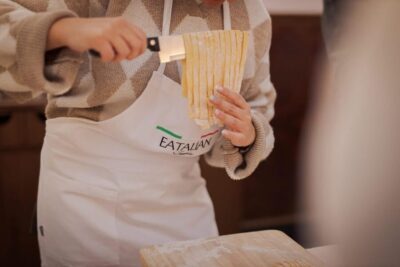
Fettuccine Pasta Cooking Class in Rome’s City Center
Read our review →
Traditional Pasta with Cocktails Cooking Class
Read our review →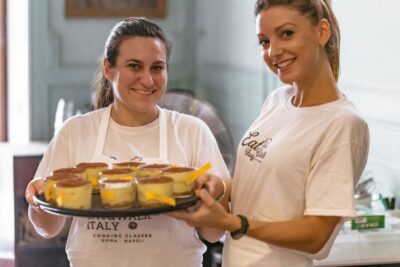
Fettuccine and Tiramisu Cooking Class with Wine
Read our review →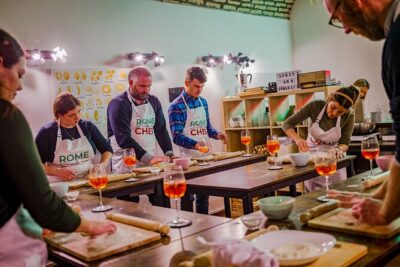
Pasta Cooking Class Near the Colosseum with 3 Spritz Cocktails
Read our review →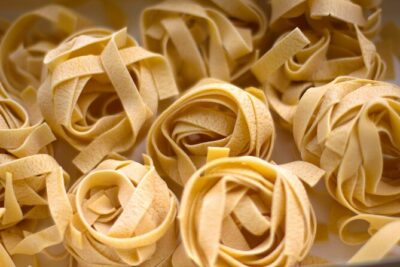
Enjoy Spritz and Pasta Making in Piazza Navona
Read our review →Browse the lists this tour appears in