
Reviewed · JEWISH GHETTO TOURS
Rome: Jewish Ghetto & Campo de Fiori by Night Food Wine Tour
Rome’s best evening souvenir may be the taste of a fried artichoke, a plate of handmade pasta, or tiramisu eaten after dark in an old Roman quarter. This four-hour walk links the Jewish Ghetto, Campo de’ Fiori, and Piazza Navona with food stops that turn sightseeing into a progressive dinner.
I like the mix of local food and street-level history, especially the stories around the Jewish community and the place where Julius Caesar was killed. I also like the small groups, capped at 14, and the guides’ personal touch. Guides such as Marco, Fabrizia, Andrea, Maria, and Julia have been praised for keeping the pace lively while answering questions.
The main catch is dietary: vegetarian choices are available, but this is not suitable for vegans or anyone needing gluten-free or dairy-free food. It is also not a kosher food tour, and the walking route is not suitable for wheelchair users.
In This Review
- Key points to know before booking
- Starting at the Turtle Fountain in Piazza Mattei
- Fried artichokes, Jewish specialties, and local appetites
- Pompey Theatre and the story of Julius Caesar
- Piazza Navona after dark
- Campo de’ Fiori and the old market quarter
- Seven venues, generous portions, and good value
- The guides make or break the evening
- Pace, weather, and practical comfort
- Who will enjoy this Rome food tour most
- Should you book it?
- FAQ
- Where does the tour meet?
- How long does the food tour last?
- How many food stops are included?
- Are drinks included?
- Can I join if I am vegetarian?
- Is the tour suitable for wheelchair users?
Key points to know before booking
- Seven food stops: Expect up to 15 samples at restaurants, delicatessens, pastry shops, and other local venues.
- A progressive Roman dinner: Early tastings are spread through the walk, with more substantial pasta and restaurant servings later.
- A strong history lesson: The route covers the Jewish Ghetto, Pompey Theatre, the Theatre of Marcellus, the Temple of Apollo, and the Portico of Octavia.
- Evening atmosphere: Piazza Navona and Campo de’ Fiori look especially appealing after the heat and daytime crowds ease.
- Small English-speaking group: The usual maximum is 14 people, allowing more conversation than a large coach tour.
- Come hungry and wear good shoes: You receive plenty of food and walk for four hours, rain or shine.
Starting at the Turtle Fountain in Piazza Mattei
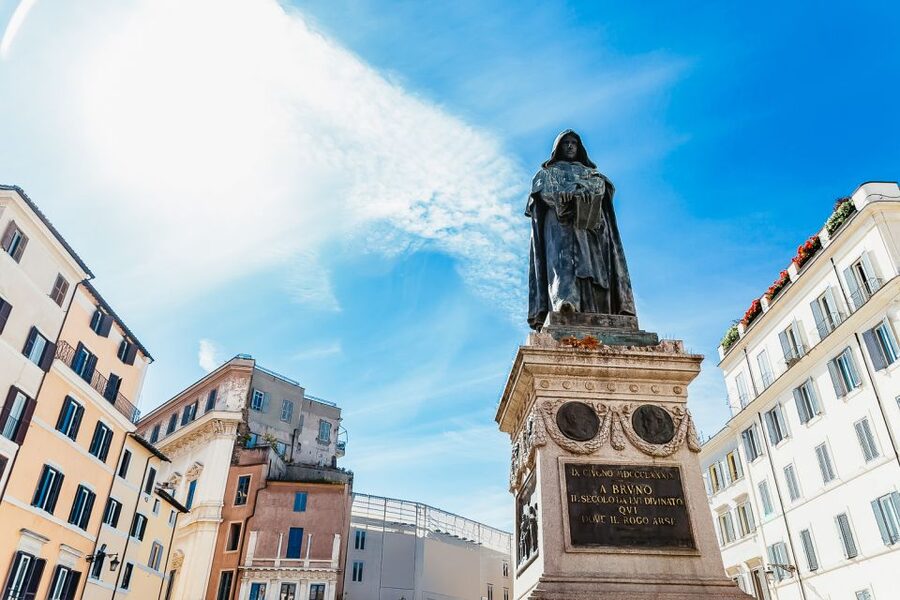
The tour begins at Piazza Mattei, beside the Turtle Fountain in Rome’s Jewish Ghetto. This is a pleasant meeting place, tucked into a small square rather than a major traffic junction, but give yourself time to find it. You do not want to begin a food tour by sprinting through Rome with an empty stomach.
The opening stretch sets up the neighborhood. You learn about the long Jewish presence in Rome and see how the district’s food reflects both Roman and Jewish traditions. The tour does not treat the Ghetto as a backdrop for lunch. Its past is part of the meal, and that makes dishes such as Jewish-style appetizers or fried artichokes more meaningful.
The evening setting helps here. The narrow streets and old squares feel calmer than they do under the midday sun. You will still encounter restaurants and city life, but the walk has a more relaxed rhythm than a daytime sightseeing circuit.
More Jewish Ghetto walks:
- Rome: Trastevere or Jewish Quarter Street Food Tour
★ 4.8 · 3,839 reviews - Jewish Ghetto and Trastevere Tour Rome
★ 4.5 · 1,729 reviews - Jewish Ghetto and Synagogues with Jewish Roman Guide 3 Hours
★ 5.0 · 907 reviews
Fried artichokes, Jewish specialties, and local appetites
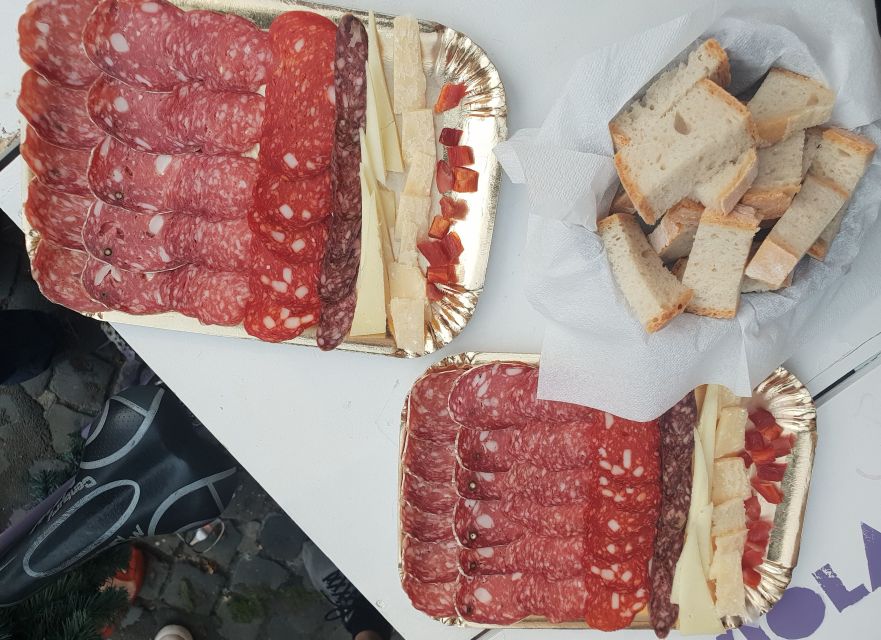
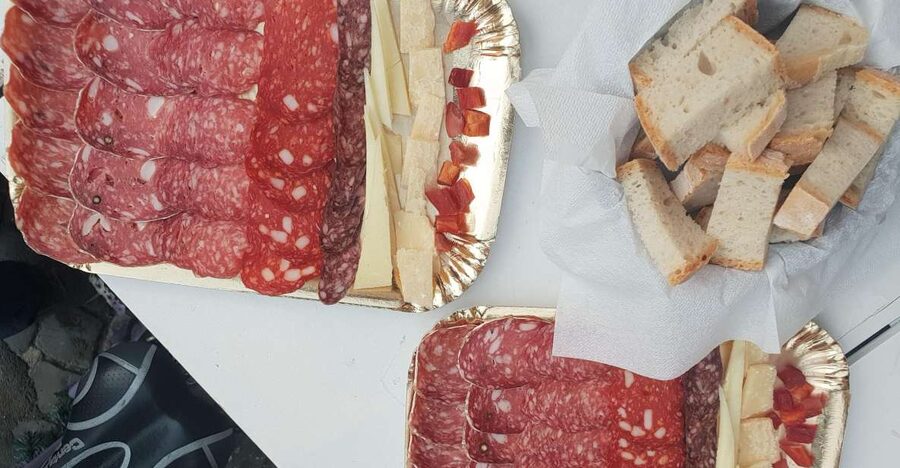
Food comes in stages rather than as one large restaurant meal. You might begin with small bites, then stop for more substantial dishes as the route continues. The plan includes up to 15 samples, along with wine, beer, and soft drinks, so the phrase progressive dinner is a useful way to picture the experience.
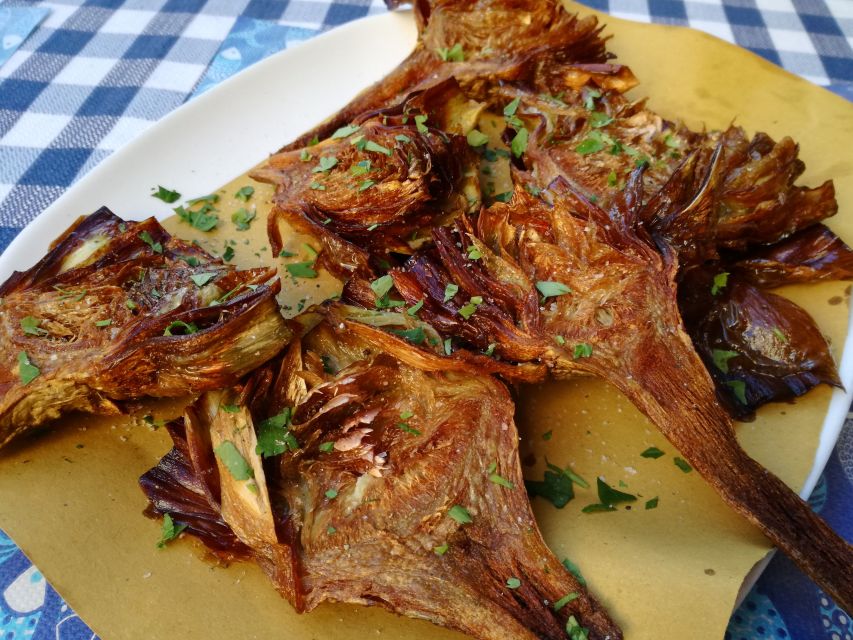
One memorable part of the food lineup is the Roman Jewish tradition of fried artichokes. The tour also includes Jewish appetizers and other Roman specialties. Exact dishes can change, but you should expect a broad sample of the city’s cooking rather than several versions of the same snack.
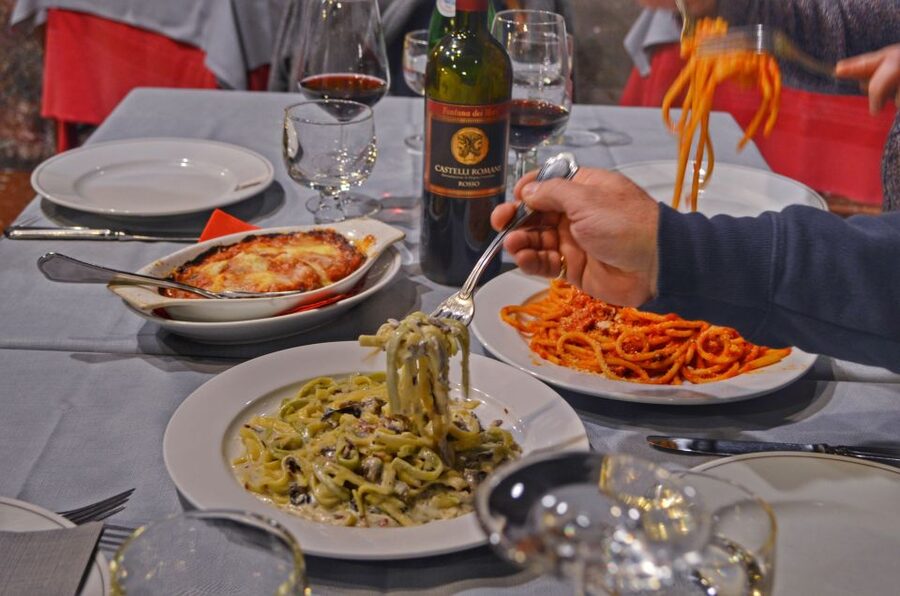
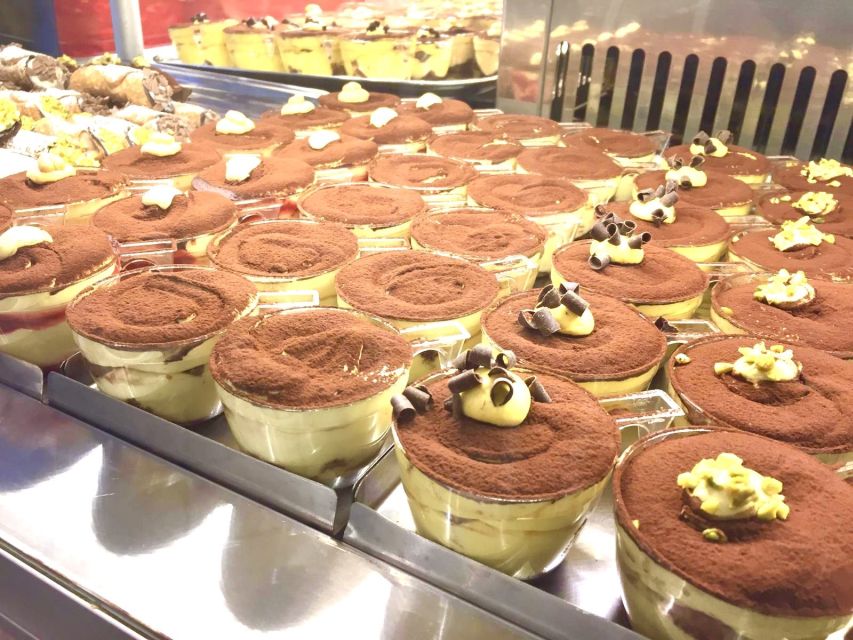
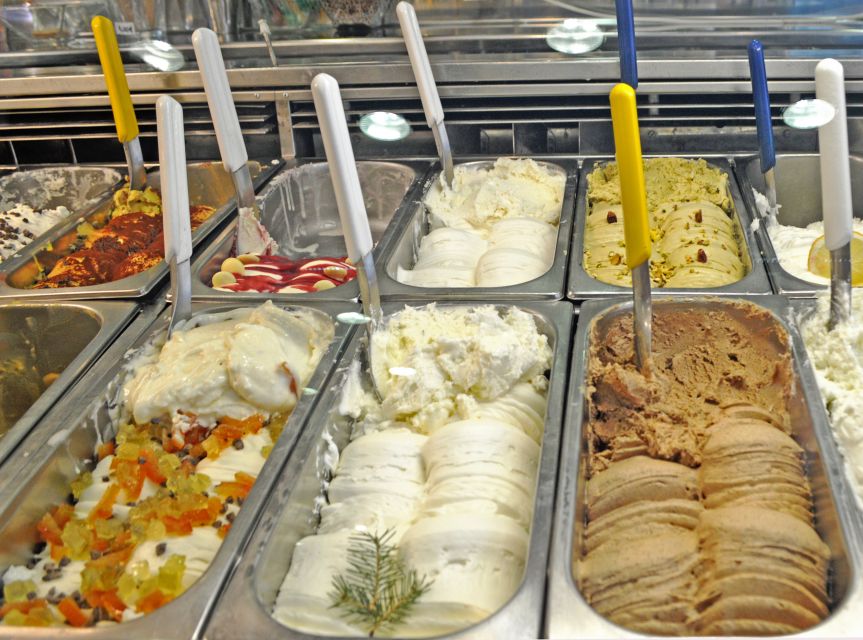
That variety is a real strength. You may taste pizza, pasta, fresh vegetables, pastries, tiramisu, gelato, and espresso during the evening. One version of the meal included several pasta dishes with wine, followed by tiramisu and gelato. Another included a broad sequence of appetizers, a main meal, dessert, and coffee.
The portions are not merely symbolic tastes. Several people found themselves very full by the end, and that is worth taking seriously. I would eat a light lunch or early snack on tour day, but I would not skip food all day if you are prone to feeling faint after several hours of walking and wine.
Pompey Theatre and the story of Julius Caesar
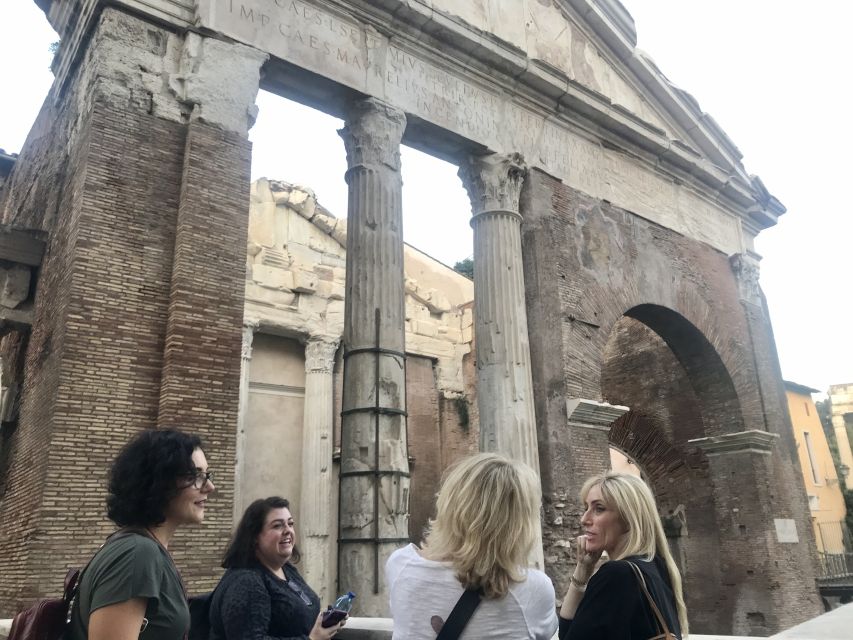
The walk is not only a restaurant crawl. Along the way, your guide explains the Roman sites around you, including Pompey Theatre, where Julius Caesar was killed. The remains are not always presented in the grand, immediately readable way of the Colosseum, so having someone explain what you are seeing adds real value.
This is the kind of sightseeing that works well between food stops. You get a short lesson, walk a few streets, eat something, and then see another piece of Rome. The history never has to carry an hour-long lecture on its own, and the food never feels disconnected from the city.
The route also passes the Theatre of Marcellus, the Temple of Apollo, and the Portico of Octavia. These are significant ancient remains, but they sit within the modern city rather than in one fenced archaeological park. Your guide helps you notice them while moving between restaurants and squares.
Look for the less obvious details, too. One outing included a concealed Virgin Mary mural, the sort of small find that is easy to miss when you are navigating Rome on your own. Do not expect every stop to be a major monument. The pleasure comes from seeing how old fragments, religious art, homes, shops, and restaurants share the same streets.
Piazza Navona after dark
Piazza Navona is one of the route’s big visual moments. The square occupies the site of the Stadium of Domitian and later served as a city market. Today, its long open shape and baroque buildings make it one of Rome’s most enjoyable places for an evening pause.
Your guide points out the fountains and statues, including Bernini’s Fountain of the Four Rivers. This is a good place to look up from the plate in front of you. Rome can make a person greedy for both food and monuments, and Piazza Navona supplies plenty of the second kind.
The square also gives the tour a useful change of pace. The Jewish Ghetto offers a close look at a distinct neighborhood, while Piazza Navona feels grander and more theatrical. You see both the intimate and the monumental sides of central Rome in one walk.
The exact timing matters less than the setting. At night, the piazza is still lively, but it often feels less punishing than during a hot afternoon. If you are visiting Rome in summer, an evening food tour is a sensible way to save your energy for the sights.
More Rome wine tastings worth an afternoon:
- Rome: Tuscany & Montepulciano Day Trip with Lunch & Wine Tasting
★ 4.5 · 5,232 reviews - Rome: Pasta & Tiramisu Class with Fine Wine by the Vatican
★ 4.9 · 4,852 reviews - Rome Food Tour: Unlimited Tastings with Fine Wine & Barolo
★ 5.0 · 3,365 reviews - Rome: Pasta Making Class with Wine, Limoncello, and Dessert
★ 4.9 · 3,177 reviews
Campo de’ Fiori and the old market quarter
Campo de’ Fiori is another major stop. Its name is tied to its past as a medieval market, and the square remains one of the city’s best-known places for food, restaurants, and evening activity.
The tour uses the square as both a historical stop and part of the food route. You learn how markets shaped local eating while sampling Roman fare at venues selected for their food and local character. Campo de’ Fiori can feel more tourist-focused than the Jewish Ghetto, so the guide’s explanation helps you look beyond the obvious restaurant fronts.
This is also a practical stop for your own Rome plans. If you enjoy a place, note its location and return later. A few dishes may prompt you to revisit a restaurant or pastry stop during the rest of your stay. The walk gives you a useful first look at neighborhoods where you may want to eat independently.
Seven venues, generous portions, and good value
At $105 per person, this is not a cheap snack walk. It is four hours of guiding, sightseeing, food, wine, beer, and soft drinks, with up to 15 samples at as many as seven venues. The value depends on how much you would otherwise spend on dinner and how useful you find the history and local recommendations.
For me, the price makes more sense when you treat the experience as dinner plus a guided introduction to central Rome. Seven tasting venues would be difficult to organize efficiently on your own, especially if you wanted to avoid wasting time at mediocre places or standing in line.
The food quantity is one of the clearest benefits. Early bites may not seem like a full meal, but the later restaurant course adds weight to the evening. Several accounts describe sitting down for an assortment of pasta as the sun went down, followed by dessert and coffee. You should finish satisfied, not wondering where dinner is.
There is a small uncertainty in the format. The advertised plan calls for seven stops, while some outings have included six. Menus and venues can change, so regard the number as a guide rather than a guarantee. Either way, the experience is designed around many tastes rather than one fixed plate.
The guides make or break the evening
Food quality matters, but the guide determines whether the four hours feel like a connected experience or a series of snacks. This tour has used guides including Marco, Fabrizia, Fabrizio, Andrea, Maria, Julia, Isabel, Matteo, Georgia, and others.
The most successful guides combine three jobs: they explain the history, introduce the food, and keep the group moving. Marco has been praised for warmth and for handling unusual questions with humor. Fabrizia and Maria have been singled out for explaining the Jewish Ghetto and Rome while keeping the pace comfortable. Andrea has been noted for balancing information with the tasting schedule.
That balance matters. You do not want a guide who talks so long that your food gets cold, but you also do not want a host who simply points at dishes and names them. The strongest outings use the walk between venues for stories, then let the food speak when you sit down.
Small groups help. With a maximum of 14 people, you have a fair chance to ask questions and talk with the guide. The format also encourages conversation among the group, which can make a long evening feel social rather than organized around a lecture.
The company has also shown some flexibility when problems occur. In one case, an ill guide led to an alternative 2.5-hour street food tour, with the price difference refunded. That shorter option did not include drinks, so do not assume it is identical to the four-hour experience, but it shows that substitutions may be offered when needed.
Pace, weather, and practical comfort
You will be on foot for about four hours, with stops for eating and explanations. Wear comfortable shoes. Roman paving can be uneven, and the evening includes enough walking that flimsy footwear can become a bad decision by dessert.
Tours operate rain or shine. Guides have continued under bridges and umbrellas during heavy rain, but that does not make wet weather pleasant. Bring a compact rain layer if the forecast looks uncertain, and understand that bad weather may change the feel of the route even if the food schedule continues.
The tour is offered in English with a live guide. A few comments about guide language skills were positive, but English ability can vary slightly by guide. The important point is that the experience is designed for English speakers, and the food and history are explained as you go.
Transportation is not included. That is not a serious problem for a central Rome walking route, but you need to reach Piazza Mattei on your own and arrange your return after the final stop. Do not book this immediately before a train, flight, or timed attraction. Four hours is long enough for the finish to run later than you would like if you have a tight schedule.
The tour is not suitable for wheelchair users because of the walking route and street conditions. Vegetarian choices are available, but vegan, gluten-free, and dairy-free diets cannot be accommodated. This is not a kosher tour, even though the Jewish Ghetto and Jewish Roman food traditions are central to the route.
Who will enjoy this Rome food tour most
I would book this early in a Rome stay. It gives you a useful map of the Jewish Ghetto, Campo de’ Fiori, and Piazza Navona, and it introduces dishes you might otherwise overlook. You also leave with ideas about where to return for lunch or dinner.
It suits first-time Rome visitors who want food and history together. It also works for repeat visitors who have seen the famous monuments but have not spent much time in the Jewish Ghetto or around the Theatre of Marcellus.
Couples, adult families, and social small groups should fit the format well. Teenagers can enjoy it too, provided they are comfortable walking and willing to try several foods. The steady changes of scene help keep the evening moving.
I would be more cautious if you want a formal wine tasting, a strictly kosher meal, or detailed control over every dish. This is a Roman food walk with wine included, not a sommelier-led tasting. It is also a poor choice for anyone with major dietary restrictions.
Should you book it?
Book this tour if you want a full evening of Roman food, neighborhood stories, and famous sights without planning every stop yourself. The strongest reasons are the generous amount of food, the seven-stop format, the Jewish Ghetto focus, and the guides’ ability to connect dishes with Rome’s past.
Skip it if you need a wheelchair-accessible route, vegan or gluten-free food, or a shorter outing. For everyone else, $105 is reasonable when you count it as a guided dinner and four-hour introduction to several central districts. Arrive hungry, wear good shoes, and leave your evening open.
FAQ
Where does the tour meet?
Meet your guide at Piazza Mattei, by the Turtle Fountain, in Rome’s Jewish Ghetto.
How long does the food tour last?
The tour lasts four hours. Starting times vary, so check availability when booking.
How many food stops are included?
The tour is planned around seven different eateries and includes up to 15 food samples. The exact number of venues or dishes may vary.
Are drinks included?
Yes. Wine, beer, and soft drinks are included during the food tour.
Can I join if I am vegetarian?
Yes. Vegetarian options are available. The tour cannot accommodate vegan, gluten-free, or dairy-free diets, and it is not a kosher food tour.
Is the tour suitable for wheelchair users?
No. The experience is not suitable for wheelchair users. Tours operate rain or shine and require several hours of walking.
More Evening Experiences in Rome
- Rome: City Highlights Open-Top Bus Night Tour
★ 4.1 · 2,038 reviews - Rome: Paranormal Night Walking Tour & Secret Backstreets
★ 4.9 · 1,921 reviews - Vespa Sidecar Tour By Night with Pickup
★ 5.0 · 1,803 reviews - Rome by Night – Ebike Small Group Tour – Food and Wine (Option)
★ 5.0 · 1,275 reviews
More Food Tours in Rome
- Winner 2025 Rome Twilight Trastevere Food Tour by Eating Europe
★ 5.0 · 5,157 reviews - Rome: Trastevere Food tour with Free-Flowing Fine Wine
★ 5.0 · 2,853 reviews - Rome: Trastevere & Campo de Fiori Street Food Walking Tour
★ 4.9 · 2,768 reviews - Rome Street Food Tour with Local Guide
★ 5.0 · 2,361 reviews
Newest reviews from Rome
- Rome: Vatican Museums & Sistine Chapel Skip-the-Line Ticket★ 4.4 · 148 reviews
- Shared Shuttle Transfer from Rome to Civitavecchia Port★ 5.0 · 148 reviews
- Rome: Crypts & Catacombs After Hours Tour with Bone Chapel★ 4.6 · 149 reviews
- Ghosts Legends and Mysteries of Rome Walking Tour★ 5.0 · 149 reviews
- Skip the Line: Vatican and Sistine Chapel with Guided Tour★ 4.0 · 149 reviews
- Pizza and Tiramisu Cooking Class in Rome, Piazza Navona★ 5.0 · 150 reviews
- Tivoli: Villa Gregoriana Entrance Ticket★ 4.7 · 150 reviews
- Rome: Borghese Gallery Skip-the-Line Entry and Guided Tour★ 4.7 · 150 reviews
Jewish Ghetto Tours, compared.
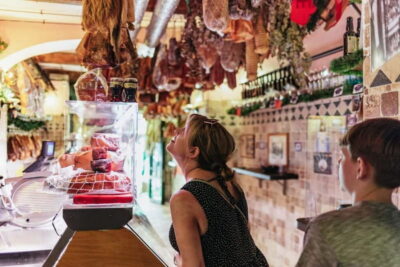
Trastevere or Jewish Quarter Street Food Tour
Read our review →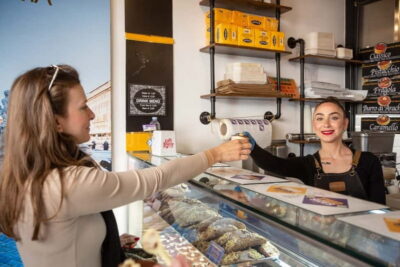
Eat Like a Roman Ghetto & Campo de’ Fiori Food Tour
Read our review →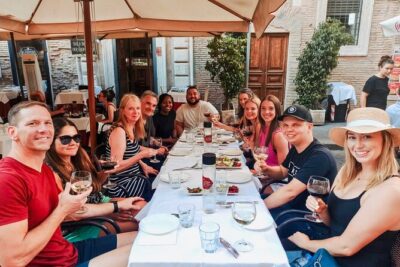
Jewish Ghetto & Piazza Navona: Food, Wine & Sightseeing Rome Tour
Read our review →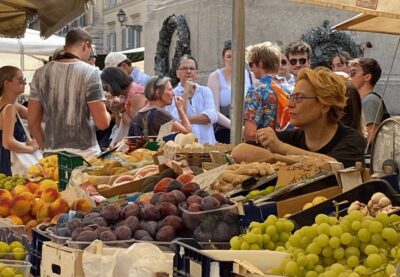
Food & Wine Tour of Campo de Fiori, Ghetto, Trastevere
Read our review →
Jewish Ghetto and Campo Dè Fiori By Night Food, Wine and Sightseeing Tour
Read our review →
Trastevere and Rome’s Jewish Ghetto Half-Day Walking Tour
Read our review →
Eternal Rome Food Tour: Campo de Fiori, Jewish Ghetto, Trastevere
Read our review →Browse the lists this tour appears in