
Reviewed · GELATO & TIRAMISU CLASSES
Rome Pasta & Tiramisu Making Class with Fine Wine
Fresh pasta, ravioli, tiramisu, and plenty of Italian wine make this three-and-a-half-hour cooking class a tasty break from Rome’s churches and ruins. You begin with local product tastings near the Vatican, then move to a restaurant kitchen to prepare and eat your own meal.
I like the mix of food education and hands-on cooking, and I like the social setup, which makes solo visitors, couples, and families feel part of the same table. The main catch is time: the afternoon can run well beyond the advertised duration, so this is not a good choice if you have a tight evening plan.
In This Review
- Key points to know before booking
- A food-focused break from Rome sightseeing
- First stop: Italian specialties and a glass of Prosecco
- The short walk to the pasta kitchen
- Making fettuccine and spinach ravioli
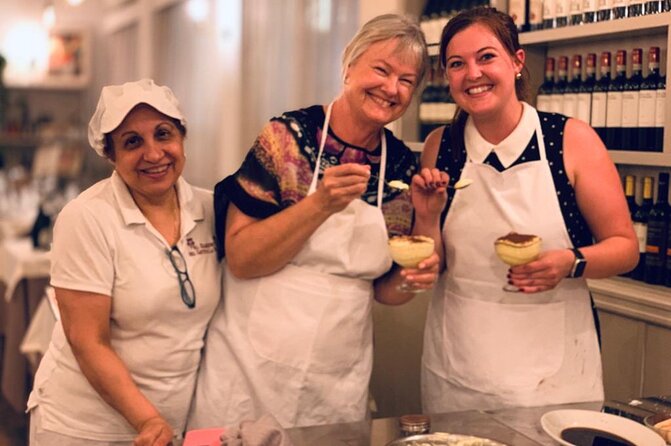
- Tiramisu is the easy, popular finale
- What the wine service really means
- How much value do you get for $32.67?
- Timing it with the Vatican
- Who will enjoy this class most?
- Practical details before you go
- Should you book the Rome pasta class?
- FAQ
- Where does the cooking class start?
- What time does the experience begin?
- How long does the class last?
- What food will I make?
- Are drinks included?
- How many people can join the class?
Key points to know before booking
- Two-part food experience: Begin with tastings of cheese, balsamic vinegar, olive oil, pesto, truffles, and other Italian products before cooking.
- Three classic dishes: Make fettuccine, spinach and ricotta ravioli, and tiramisu from scratch.
- Wine is a major part of the afternoon: Prosecco, red wine, white wine, and non-alcoholic drinks are included.
- Near the Vatican: The class starts at Via Cipro, 4/L, close to public transportation and Vatican City.
- Friendly teaching team: Hosts such as Lise and Nina lead the tasting, while chefs including Patrick provide the cooking instruction.
- Allow extra time: The stated duration is about 3 hours 30 minutes, but some sessions last four hours or longer.
A food-focused break from Rome sightseeing
Rome can fill your day with grand sights, long walks, and crowded stone streets. This class gives you a different way to spend an afternoon. You sit down, meet people from several countries, taste Italian ingredients, and learn a skill you can use at home.
The class is held in the food-focused area near the Vatican rather than in the center around the Trevi Fountain or Pantheon. That location matters. You are not paying only for a cooking demonstration in a tourist district. You get a neighborhood setting, easy access by public transportation, and a chance to pair the class with a morning at the Vatican.
The meeting point is Via Cipro, 4/L, 00136 Rome, with a 2:00 pm start. Plan your route before the day begins, and arrive with enough time to find the address. The activity ends back at the meeting point area, although the cooking portion takes place at a nearby restaurant.
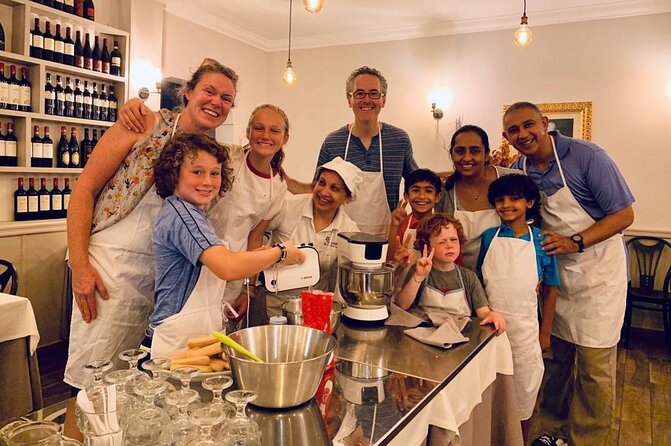
The group can include up to 16 people. That is large enough to create a cheerful, social room, but small enough for the instructors to move around and help with the pasta. If you want a private lesson with one chef focused only on you, this is not that kind of class. If you like cooking alongside other people, the group size works well.
More gelato and tiramisu classes:
- 3 in 1 Cooking Class near Navona: Fettuccine, Ravioli & Tiramisu
★ 5.0 · 7,376 reviews - Rome: Pasta & Tiramisu Class with Fine Wine by the Vatican
★ 4.9 · 4,852 reviews - Rome: 3-in-1 Fettuccine, Ravioli, and Tiramisu Cooking Class
★ 4.9 · 2,704 reviews
First stop: Italian specialties and a glass of Prosecco
The afternoon begins with a tasting session at a local food shop or restaurant. The exact hosting team can vary, but Lise and Nina are among the names associated with this part of the experience. Their role is not simply to place food on a plate. They explain Italian ingredients, regional habits, and the place each product has in the country’s cooking.
You may taste aged balsamic vinegar, Parmigiano Reggiano, olive oil, pesto, truffles, cheeses, and other Italian specialties. This opening makes the later pasta lesson more useful because you begin to understand what good ingredients contribute to a simple dish.
Aged balsamic is a good example. In Rome, it is easy to see balsamic vinegar treated as a generic salad dressing. A tasting helps you notice the difference between a sharp everyday vinegar and a thicker, sweeter product meant to be used sparingly. The same idea applies to olive oil, cheese, and truffle products. The class gives you a quick introduction to Italian pantry basics without turning into a formal lecture.
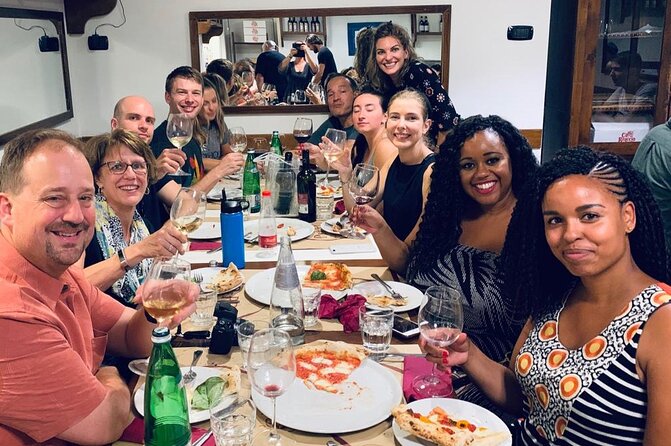
The tasting also sets the tone for the rest of the afternoon. Prosecco is poured early, and red and white wine follow during the meal. The drinks are repeatedly described as generous, not as a single welcome glass. You should treat that as a real feature of the experience and pace yourself accordingly.
Non-alcoholic drinks are available, so you do not need to drink wine to take part. Still, the atmosphere is built around shared glasses, conversation, and repeated toasts. If you prefer a quiet class or do not drink, the social energy may feel stronger than you want.
The short walk to the pasta kitchen
After the tasting, the group walks a short distance to the restaurant where the cooking lesson takes place. The walk provides a useful pause between the food samples and the heavier meal ahead. It also helps you get your bearings in the area near the Vatican.
The restaurant setting gives the second half a more relaxed feel than a demonstration in a large studio. You work at tables with the other participants, listen to the chef, and get help as you shape the dough. The instructors keep the mood light, but the lesson still covers practical basics.
Chef Patrick is frequently named as the pasta instructor, with other sessions also associated with chefs such as Jason or Jan. The teaching style is warm and hands-on. You are shown what to do, then given time to repeat the steps yourself. That balance is important. A cooking class has limited value if the chef does everything while you watch.
You should expect flour, dough, filling, shaping, and shared work space. The class is meant for ordinary people on holiday, not trained cooks. The instructors help when a piece of pasta needs correcting and keep the group moving toward lunch.
Making fettuccine and spinach ravioli
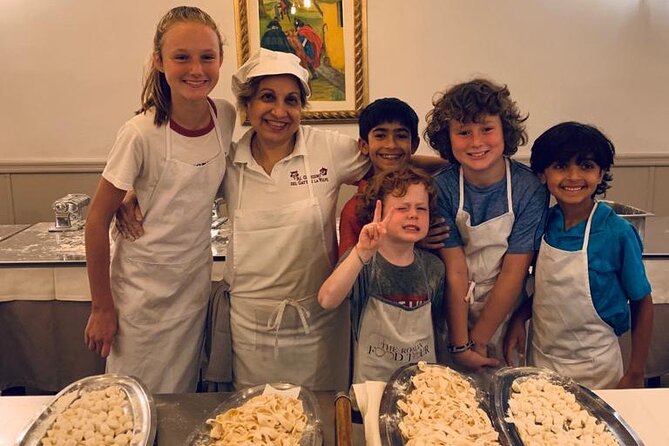
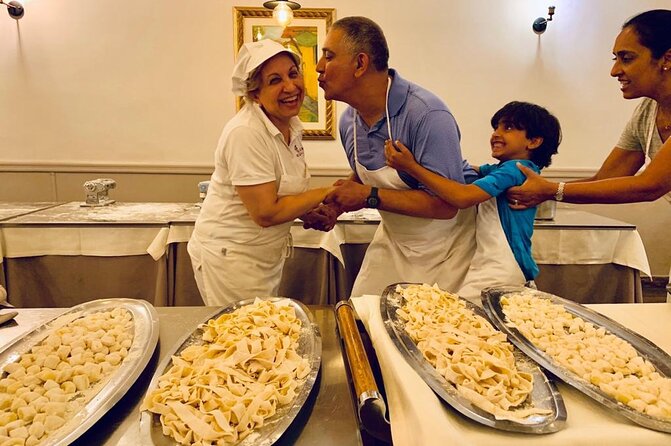
The main course gives you two different pasta tasks. You make fettuccine with tomato sauce, then prepare ricotta and spinach ravioli with butter and sage.
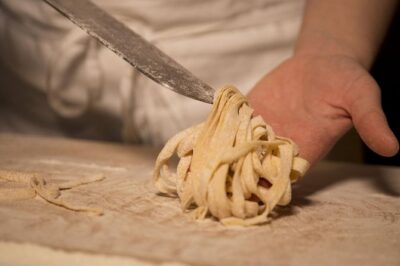
Fettuccine is a useful first lesson because it shows the basic path from dough to noodles. You learn how the dough is handled and cut, then see how a simple tomato sauce supports fresh pasta. Fresh noodles cook differently from dried pasta, and the texture is one of the pleasures of making them yourself.
Ravioli adds another layer of work. You prepare the spinach and ricotta filling, place it between sheets of pasta, and shape the parcels. The butter and sage sauce is simple, which lets the filling and pasta remain the focus.
The menu is satisfying without being fussy. You are not making a complicated restaurant plate with hard-to-find ingredients. You are learning dishes that you can reasonably try again in your own kitchen. That practical value is one of the best reasons to choose this class.
The cooking is also a group activity. People compare shapes, help pass ingredients, and laugh at imperfect pieces. The instructors make sure the final food is edible, but they do not demand professional-looking pasta from first-time cooks. You leave with a better feel for the process, even if your ravioli is not perfectly sealed.
More Rome wine tastings worth an afternoon:
- Rome: Tuscany & Montepulciano Day Trip with Lunch & Wine Tasting
★ 4.5 · 5,232 reviews - Rome Food Tour: Unlimited Tastings with Fine Wine & Barolo
★ 5.0 · 3,365 reviews - Rome: Pasta Making Class with Wine, Limoncello, and Dessert
★ 4.9 · 3,177 reviews - Rome: Trastevere Food tour with Free-Flowing Fine Wine
★ 5.0 · 2,853 reviews
Tiramisu is the easy, popular finale
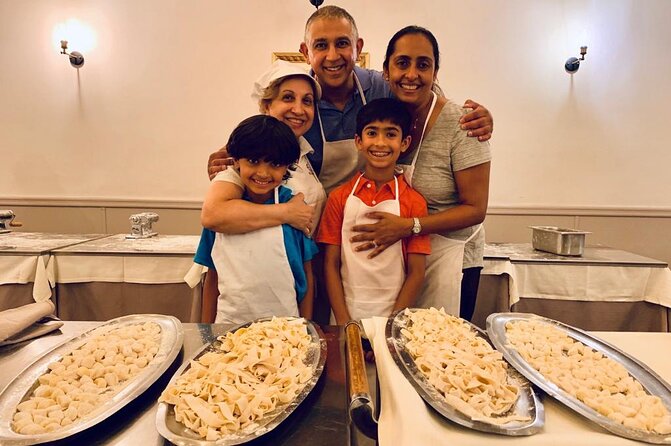
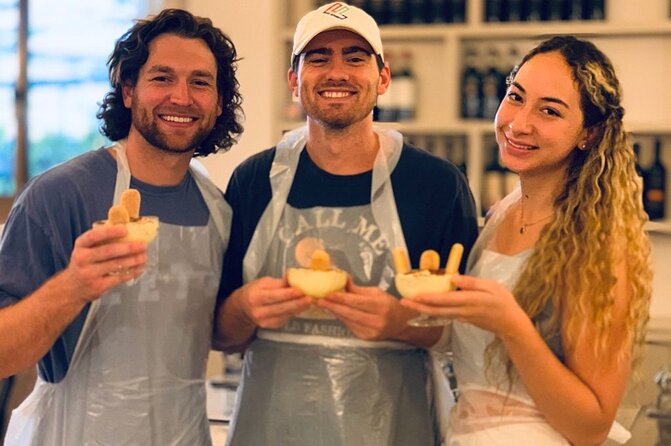
The dessert lesson covers tiramisu, one of Italy’s most familiar sweets. It is a good choice for a group class because the main steps are approachable and the finished dessert can be enjoyed by almost everyone.
You prepare the components, assemble the dessert, and later eat what you have made. The class does not present tiramisu as a mysterious restaurant creation. Instead, it shows you how a few familiar ingredients can become a soft, coffee-flavored dessert with the right balance of cream and biscuit.
For families, tiramisu gives younger participants a task that is different from rolling and cutting pasta. Children and teenagers have been welcomed in the class, and the social, practical format works better for many families than a long historical tour.
The dessert also helps stretch the meal. By the time the pasta and ravioli are served, followed by tiramisu and more wine, you should expect to leave full. Several accounts describe the food as enough to replace dinner, though that depends on your appetite and the pace of the session.
What the wine service really means
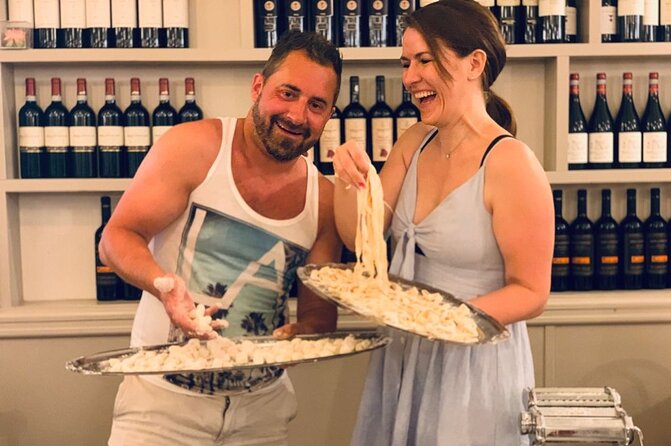
The phrase fine wine may suggest a formal tasting with measured pours and long explanations. That is not the tone here. This is a cheerful food class with Prosecco, red wine, white wine, and non-alcoholic beverages flowing through the afternoon.
The wine is part of the value. It turns the class into a meal and reduces the need to buy drinks separately. At $32.67 per person, that matters. A pasta dinner in Rome can cost more than the class before you add wine, and this experience combines dinner with instruction and tastings.
There is also a practical warning. Some participants report drinking six or more cups of Prosecco and wine during the session, while others describe the supply as close to a bottle per person. You should not feel pressured to match that pace. Ask for water or choose the non-alcoholic drinks when needed.
The alcohol also affects the schedule. The class is designed for lingering, talking, and refilling glasses rather than getting everyone out the door quickly. That relaxed pace is part of its charm, but it explains why the afternoon may last four hours or more.
How much value do you get for $32.67?
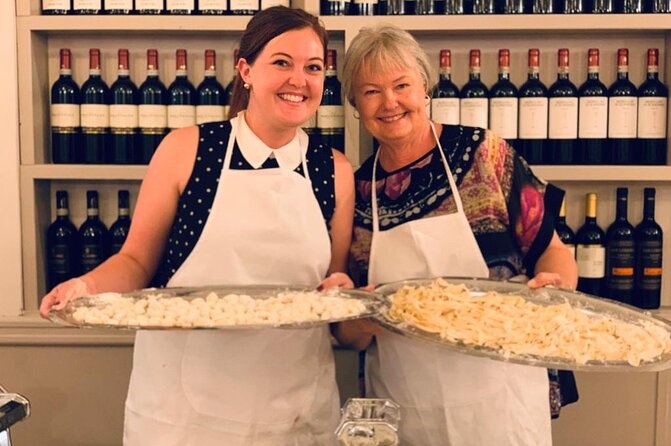
The price is unusually low for what is included. You receive the opening food tasting, a cooking lesson, a full pasta meal, tiramisu, wine, and non-alcoholic drinks. Even if you place little value on the instruction, the food and drinks alone make the cost attractive.
The better comparison is not with a basic pasta dinner. Compare it with a food tour, a wine tasting, and a cooking class purchased separately. This experience combines all three in one afternoon. It also gives you a meal you helped prepare rather than simply another restaurant reservation.
There are limits. The tasting is shared, the group may reach 16 people, and the class is held in two nearby locations rather than one private kitchen. You are paying for a friendly group event, not an exclusive chef’s table.
For many visitors, that is exactly the right trade-off. You get a lot of food, useful instruction, and a chance to meet people for less than the price of many central Rome dinners. The value is especially strong for families and couples looking for one substantial activity instead of several smaller paid stops.
Timing it with the Vatican
The 2:00 pm start makes the class easy to pair with a morning visit to Vatican City. You can visit St. Peter’s Basilica or the Vatican Museums earlier, eat a light lunch, and then make your way to Via Cipro.
Do not schedule a major evening activity too soon afterward. The published duration is about 3 hours 30 minutes, but some sessions continue for four or even five hours. That may put you near 6:00 pm or later before the food and conversation wind down.
This is one of those Rome activities where the schedule is part of the experience. If you have only one day in the city and still need to see the Colosseum, Pantheon, Trevi Fountain, and Spanish Steps, you may not want to give up the whole afternoon. If you have several days, the slower pace becomes much easier to enjoy.
The class can also work well on a rainy day. Much of Rome is best explored outdoors, while a cooking lesson gives you a warm indoor plan that still feels distinctly Italian.
Who will enjoy this class most?
I would recommend it to you if you want food to be a central part of your Rome visit. It suits:
- Couples who want an easy social activity with dinner included
- Families with children or teenagers
- Solo visitors who enjoy meeting people over a shared meal
- First-time cooks who want clear, forgiving instruction
- Anyone who likes wine, conversation, and an unhurried afternoon
- Visitors staying near the Vatican or using the Metro to reach Cipro
It may not suit you if you want a short, technical lesson focused on pasta alone. It is also a poor fit for a packed sightseeing schedule, a very quiet meal, or anyone who dislikes group activities.
Food restrictions should be raised when booking or at the start of the class. The instructors have made efforts to accommodate different dietary needs, but the supplied menu is centered on wheat-based pasta, ricotta, spinach, butter, tomato sauce, and tiramisu. Do not assume every restriction can be handled without advance notice.
The class has also made thoughtful efforts for people with hearing difficulties, with instructors paying attention without making one person feel singled out. That is useful to know if someone in your party needs extra visual or verbal support, though you should still communicate your needs clearly.
Practical details before you go
The experience is offered in English. Confirmation is provided when you book, and the meeting point is near public transportation. Check the address carefully because the tasting and cooking portions use two locations close to one another.
Wear clothes that are comfortable around food and easy to move in. You will be working with pasta dough, fillings, sauces, and dessert ingredients, so this is not the moment for your best formal outfit.
Keep your afternoon open. The official estimate is 3 hours 30 minutes, but a friendly group and generous drink service can extend the session. I would avoid booking a timed museum entry, train, or dinner reservation immediately afterward.
Free cancellation is available until 24 hours before the 2:00 pm start time. Cancellations or changes made inside that window are not accepted for a refund.
Should you book the Rome pasta class?
Book it if you want a high-value, social food afternoon that combines tastings, cooking, wine, and a generous meal. The class gives you more than a recipe: you get a short lesson in Italian ingredients, a chance to make two kinds of pasta, and a dessert you can try again at home.
Skip it if your Rome plan is already packed or if you want a polished, private culinary lesson. The group can be lively, the drinks are plentiful, and the afternoon may run long.
For most food-loving visitors with enough time in Rome, I would book it. Pair it with a morning near the Vatican, arrive ready to share a table, and treat the afternoon as a meal with a cooking lesson built in.
FAQ
Where does the cooking class start?
The class starts at Via Cipro, 4/L, 00136 Roma RM, Italy, near public transportation and Vatican City.
What time does the experience begin?
The listed start time is 2:00 pm.
How long does the class last?
The stated duration is approximately 3 hours 30 minutes. Some sessions can last four hours or longer, so keep extra time free.
What food will I make?
You will make fettuccine with tomato sauce, spinach and ricotta ravioli with butter and sage, and tiramisu.
Are drinks included?
Yes. The menu includes Prosecco, red wine, white wine, and non-alcoholic beverages.
How many people can join the class?
The maximum group size is 16 people.
More Workshops in Rome
- Rome: Fettuccine and Tiramisu Cooking Class with Wine
★ 4.8 · 2,013 reviews - Pasta Cooking Class Near the Colosseum with 3 Spritz Cocktails
★ 5.0 · 1,686 reviews - Rome: Pasta & Tiramisu Cooking Class near the Spanish Steps
★ 4.8 · 1,395 reviews - Rome Tipsy Cooking Class: Make Pasta and Mix 3 Spritz Cocktails
★ 5.0 · 1,357 reviews
More Pasta in Rome
- Rome: Fettuccine Pasta Cooking Class in Rome’s City Center
★ 4.8 · 2,414 reviews - Rome: Traditional Pasta with Cocktails Cooking Class
★ 5.0 · 2,374 reviews - Learn to Make Pasta & Tiramisu with Wine and Limoncello Included
★ 5.0 · 2,345 reviews - Become a Masterchef in Rome: Pasta, Ravioli and Tiramisù Class
★ 5.0 · 2,156 reviews
Newest reviews from Rome
- Rome: Vatican Museums & Sistine Chapel Skip-the-Line Ticket★ 4.4 · 148 reviews
- Shared Shuttle Transfer from Rome to Civitavecchia Port★ 5.0 · 148 reviews
- Rome: Crypts & Catacombs After Hours Tour with Bone Chapel★ 4.6 · 149 reviews
- Ghosts Legends and Mysteries of Rome Walking Tour★ 5.0 · 149 reviews
- Skip the Line: Vatican and Sistine Chapel with Guided Tour★ 4.0 · 149 reviews
- Tivoli: Villa Gregoriana Entrance Ticket★ 4.7 · 150 reviews
- Pizza and Tiramisu Cooking Class in Rome, Piazza Navona★ 5.0 · 150 reviews
- Rome: Borghese Gallery Skip-the-Line Entry and Guided Tour★ 4.7 · 150 reviews
Gelato & Tiramisu Classes, compared.
3 in 1 Cooking Class near Navona: Fettuccine, Ravioli & Tiramisu
Read our review →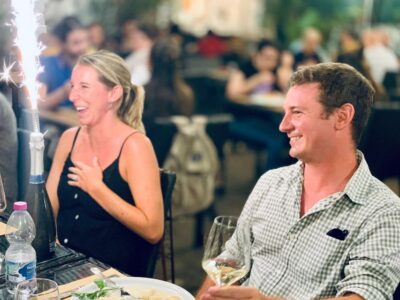
Pasta & Tiramisu Class with Fine Wine by the Vatican
Read our review →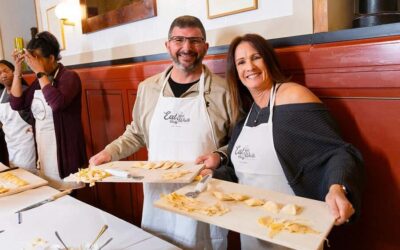
3-in-1 Fettuccine, Ravioli, and Tiramisu Cooking Class
Read our review →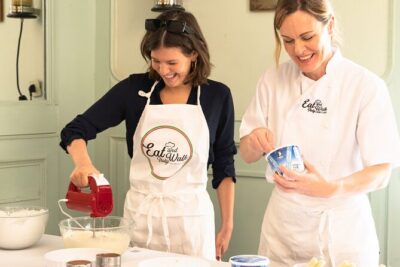
Learn to Make Pasta & Tiramisu with Wine and Limoncello Included
Read our review →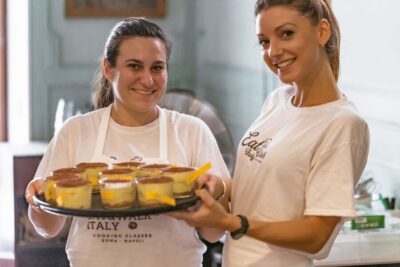
Fettuccine and Tiramisu Cooking Class with Wine
Read our review →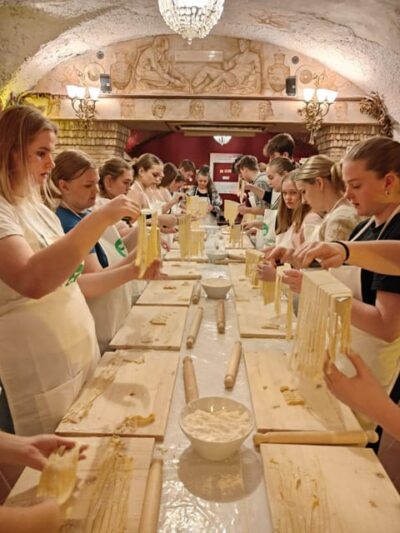
Pasta & Tiramisu Cooking Class near the Spanish Steps
Read our review →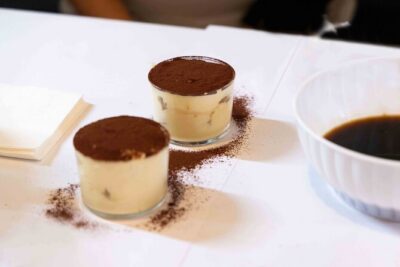
Cooking Class in the Heart of Rome: Pizza and Tiramisu Making
Read our review →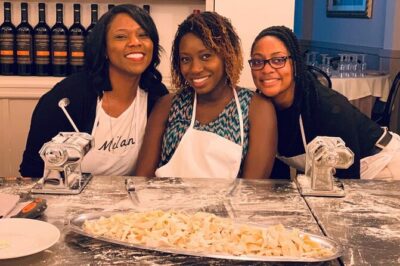
Rome Pasta and Tiramisu Class: Ravioli, Fettuccine & Fine Wine 5*
Read our review →Browse the lists this tour appears in