
Reviewed · JEWISH GHETTO TOURS
Rome: Jewish Quarter and Campo de’ Fiori Street Food Tour
Rome’s best food lessons often happen on foot, with a paper napkin in one hand and an old street corner in the other. This 2.5-hour tour links Campo de’ Fiori with the Jewish Quarter, giving you five tastings along with short, useful stories about Roman food and the places where it is made and sold.
I like the mix of classic street food and historic neighborhoods, especially the chance to try supplì, pizza al taglio, wine, beer, and a Roman-Jewish specialty in the same outing. I also like that the route ends at Largo di Torre Argentina rather than returning to its starting point, making it handy for continuing your day. The main drawback is dietary: vegans and people with gluten intolerance should skip it, and vegetarians must request suitable options in advance.
In This Review
- Key points to know before booking
- Why this Rome food walk works
- Starting under Giordano Bruno in Campo de’ Fiori
- Wine, pizza, and a taste of Roman street life
- Pompey’s Theatre and the lanes near Via dei Chiavari
- Entering the Jewish Quarter through Portico d’Ottavia
- Roman-Jewish food and Teatro Marcello
- Finishing with dessert at Largo di Torre Argentina
- What the guide adds
- Dietary limits and practical planning
- Who should book this food tour?
- Should you book it?
- FAQ
- How long does the Rome Jewish Quarter and Campo de’ Fiori food tour last?
- Where does the tour begin?
- Where does the tour end?
- What food is included?
- Are drinks included?
- Is the Campo de’ Fiori market open all day?
- Is the tour offered in English?
- Can vegetarians join?
- Is the tour suitable for vegans or people with gluten intolerance?
- Can I cancel for a refund?
Key points to know before booking
- Five food tastings: Expect Roman street food, market samples, a Roman-Jewish specialty, and dessert.
- A historic walking route: The tour connects Campo de’ Fiori, the Jewish Quarter, Portico d’Ottavia, Teatro Marcello, and Largo di Torre Argentina.
- Food and drinks included: You receive samples of beer and wine along with the tastings.
- Best in the morning: Campo de’ Fiori market is closed in the afternoon, so check the start time carefully.
- English guide: Guides such as Martina and Ramona have led the experience, with clear English and friendly explanations.
- Not for every diet: Vegans and people with gluten intolerance cannot be accommodated. Vegetarians need to arrange an option ahead of time.
Why this Rome food walk works
This experience is less about sitting down to a long meal and more about tasting Rome in small, well-placed stops. You move through markets, lanes, old monuments, and local food counters, with each bite tied to the neighborhood around you.
That format suits Rome. The city can feel like a museum at first, but food gives you a more direct way in. A fried rice ball, a slice of pizza, or a sweet at the end tells you something about daily life that a formal sightseeing stop may not.
You also get a useful balance of food and history. The guide does not simply lead you from one snack to the next. You hear about Roman culinary customs, the background of the Jewish Quarter, and why certain dishes belong to this part of town.
At $46 per person, the price is reasonable if you value the guided context and the included food and drinks. Five tastings, a licensed guide, and 2.5 hours of walking add up to more than a simple market visit. Still, this is not an all-you-can-eat meal, and you may want to buy extra food or drinks afterward.
More Jewish Ghetto walks:
- Rome: Trastevere or Jewish Quarter Street Food Tour
★ 4.8 · 3,839 reviews - Jewish Ghetto and Trastevere Tour Rome
★ 4.5 · 1,729 reviews - Jewish Ghetto and Synagogues with Jewish Roman Guide 3 Hours
★ 5.0 · 907 reviews
Starting under Giordano Bruno in Campo de’ Fiori
Meet your guide beneath the statue of Giordano Bruno in the center of Campo de’ Fiori. This is a busy square, so using the statue as your meeting marker matters. Arrive with enough time to locate it before the group sets off.
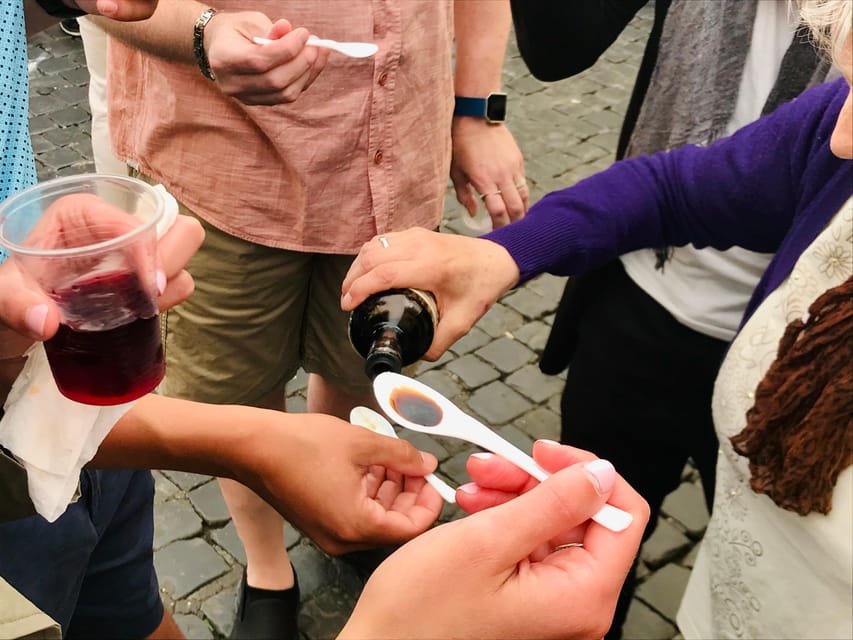
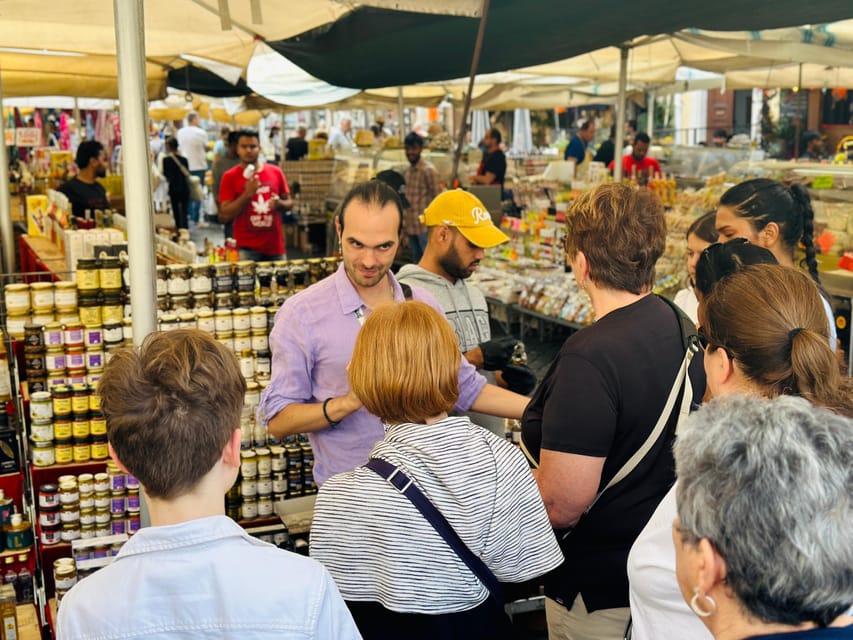
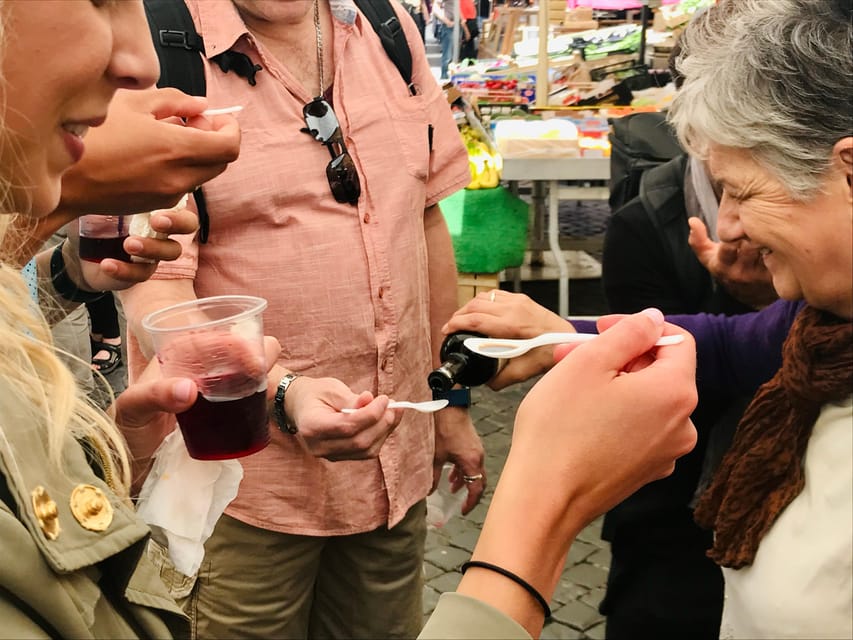
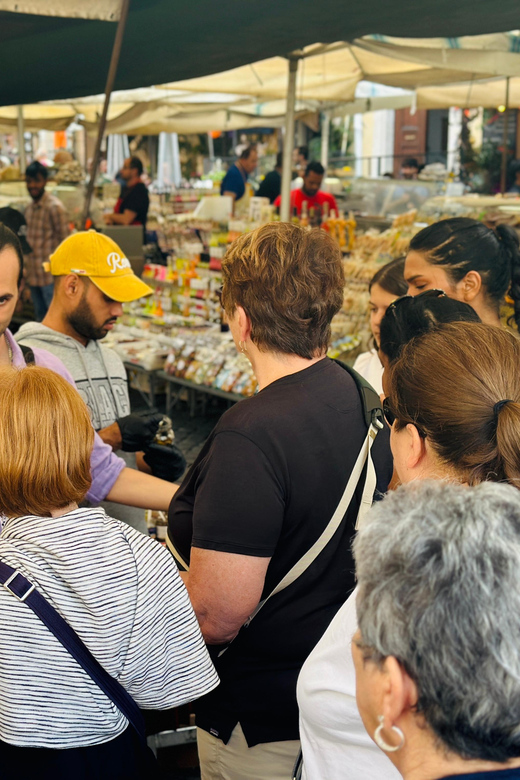
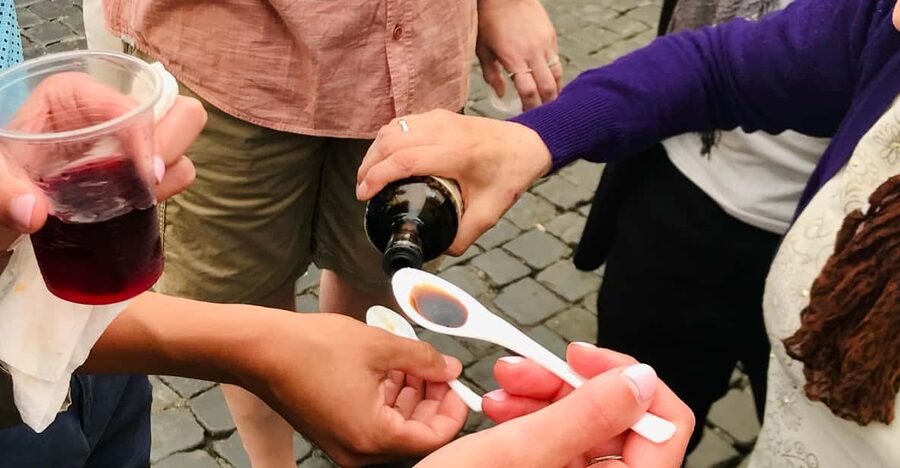
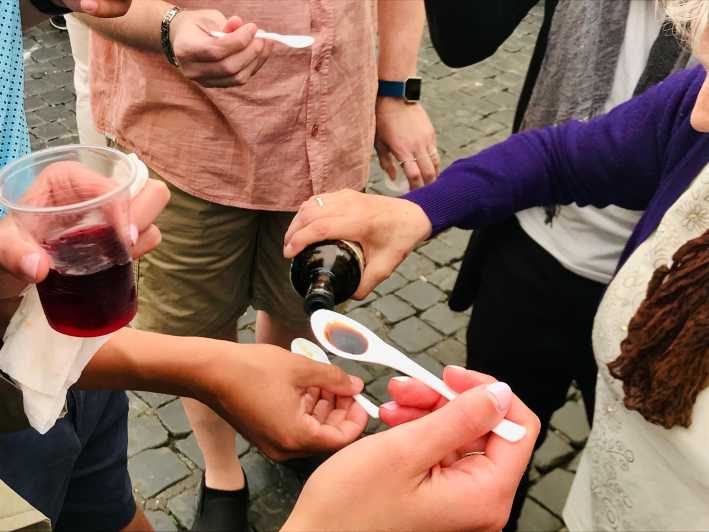
The first part of the tour focuses on the square’s food market. You can expect a look at market stalls and an introduction to local products, including truffles, olive oil, and balsamic vinegar. These samples give you a quick lesson in how Italian ingredients are presented and sold.
Campo de’ Fiori is most useful early in the day. The market closes in the afternoon, so an afternoon departure may not include the same market experience. If seeing the stalls is important to you, choose a morning time after checking availability.
Be careful when shopping after a tasting. The samples may tempt you to buy products on the spot, but prices and quantities can vary. One useful piece of advice is to compare what you are offered rather than assuming every market product is a good value.
Wine, pizza, and a taste of Roman street life
After the first market stop, the route stays close to Campo de’ Fiori for a wine tasting and another regional food sample. The short walking distances make this an easy introduction to the tour. You are not spending long stretches crossing the city between bites.
Roman street food is often simple but full of character. Pizza al taglio, or Roman pizza sold by the slice, is designed for a quick meal. You can try a piece without committing to a full pie, and the format fits the pace of a walking tour.
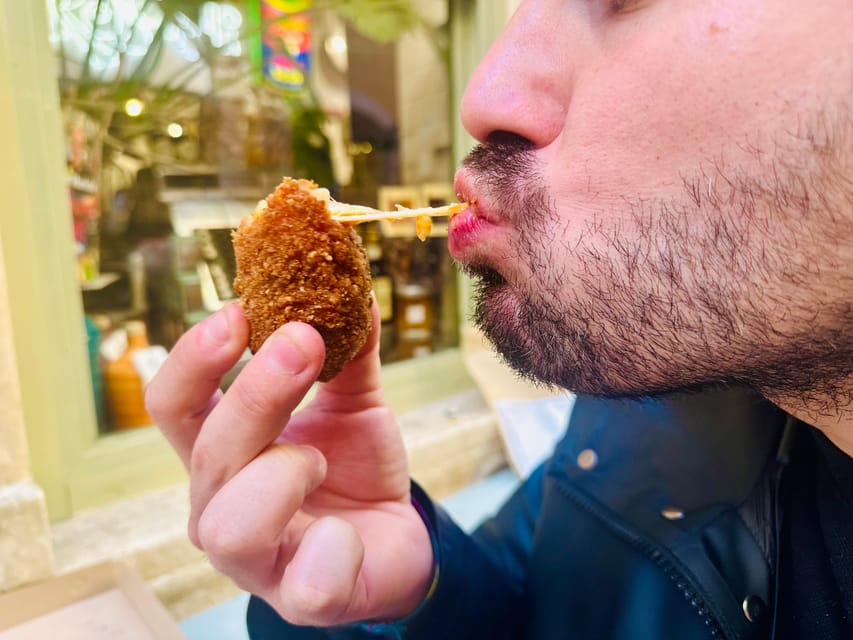
Supplì is another important stop. This fried rice ball is filled with cheese and ragù, so it offers a crisp outside with a soft, savory center. It is one of the clearest examples of Roman comfort food, and it is filling enough to help carry you through the rest of the route.
The food portions are described as tastings, not full restaurant servings. I would treat this as a guided sampling session, not a replacement for lunch or dinner. The advantage is variety. You get to try several Roman specialties rather than spend the whole afternoon on one dish.
Pompey’s Theatre and the lanes near Via dei Chiavari
The route then passes a lesser-known sightseeing stop connected with the Theatre of Pompey. You receive food and historical context here, rather than simply pausing for a photograph.
The Theatre of Pompey is part of the old city setting that makes this walk work so well. Even when the remains are not presented as a major museum visit, they help you see how Roman food businesses operate within layers of ancient streets and later buildings.
Near Via dei Chiavari, you stop for a sample of beer and another street-food tasting. The beer is a welcome change after wine, and the short stop keeps the experience casual. This is the kind of pause where you can ask your guide what locals typically order and how the food fits into everyday Roman habits.
The route includes popular locations and smaller eateries favored by locals. Specific food businesses can change, so do not book this expecting a fixed restaurant meal. The value lies in the guide’s choices and explanations, not in a single famous address.
More Rome street food crawls:
- Rome: Trastevere & Campo de Fiori Street Food Walking Tour
★ 4.9 · 2,768 reviews - Rome Street Food Tour with Local Guide
★ 5.0 · 2,361 reviews - Trastevere & Campo de’ Fiori Street Food Tour, Eat Like a Local
★ 5.0 · 207 reviews - Hidden Rome: Small Group E-Bike Tour with Street Food Stops
★ 5.0 · 169 reviews
Entering the Jewish Quarter through Portico d’Ottavia
The walk moves into the Jewish Quarter, also called the Roman Ghetto, in Rione Sant’Angelo near the Tiber. This is the most distinctive part of the experience because the food and the neighborhood are closely connected.
At Portico d’Ottavia, your guide explains the setting before leading you onward. The ancient ruins provide a striking backdrop, but the point of the stop is also to understand the quarter as a living part of Rome, not just a collection of old stones.
You pass the Great Synagogue of Rome from the outside. The tour does not include an interior visit, so keep your expectations clear. You see the building as part of the neighborhood walk and hear about the area’s Jewish heritage, but this is not a synagogue tour.
The Jewish Quarter can be a strong choice for a return visit to Rome. It adds a different layer to the city than the Colosseum and Trevi Fountain route, and the food stop makes the history easier to remember. You are walking through a neighborhood while tasting one of its most famous specialties.
Roman-Jewish food and Teatro Marcello
The Roman-Jewish tasting is one of the tour’s main reasons to book. The experience does not identify the exact dish in advance, but it promises the most famous Roman-Jewish specialty. Your guide provides the setting and explains why the dish belongs to this community and place.
That connection matters. A food tour is more useful when it explains why you are eating something, not just what it is called. The dish becomes part of the quarter’s story rather than another anonymous sample.
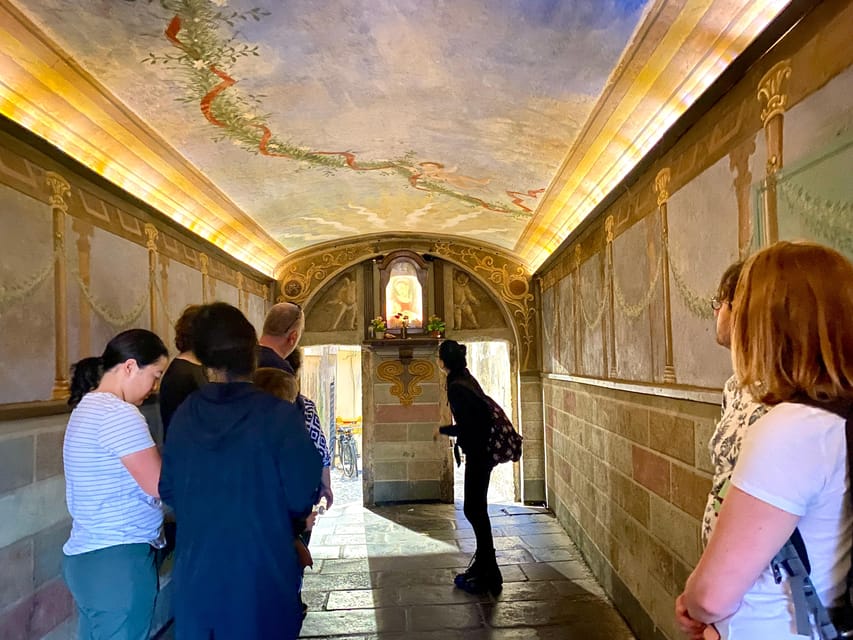
The route continues past Teatro Marcello, a major visual landmark in this section of Rome. You get a brief visit and walk, with the guide connecting the monument to the streets around it. The stop is short, so it works best as part of a wider route rather than as a full archaeological lesson.
Because the walking stops are generally brief, wear comfortable shoes and keep your schedule flexible. The tour lasts 2.5 hours, but tasting, conversation, and group movement can make the experience feel more like a leisurely morning than a fast march.
Finishing with dessert at Largo di Torre Argentina
The final stop is Largo di Torre Argentina, where the tour ends with dessert. This gives the experience a clear finish and balances the savory tastings earlier in the route.
Largo di Torre Argentina is also a useful place to end because it leaves you in central Rome with more sightseeing options nearby. You are not returned to Campo de’ Fiori, so plan your next stop from the ending point rather than the meeting point.
The dessert is one of five food tastings, alongside the savory samples and drinks. As with the other stops, it is best to think of it as a taste rather than a full dessert course. If you have a serious sweet tooth, you may still want to find a pastry shop later.
What the guide adds
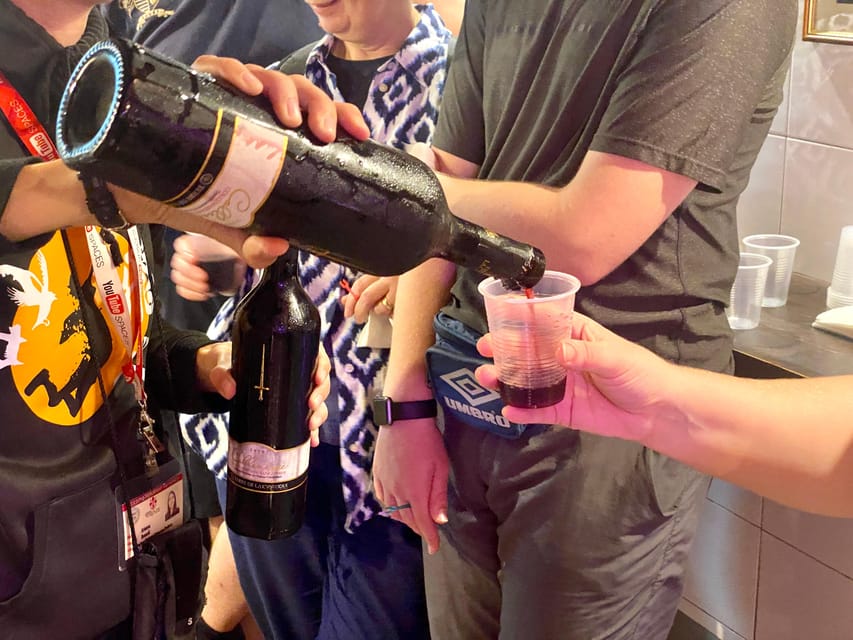
The guide is central to the experience. The route itself is easy to walk, but the stories about food traditions, markets, and the Jewish Quarter turn it into something more than a self-guided snack crawl.
English is the tour language. Martina has been noted for speaking clearly and adjusting her English for French-speaking visitors, which is useful if English is not your first language. Ramona has also led the walk, bringing an enthusiastic and friendly approach.
The guide can also help you understand what you are seeing at the market. Truffles, olive oil, and balsamic vinegar can look like easy souvenirs, but a short explanation about quality and pricing is practical. Listen before buying, and keep the tasting separate from your shopping decisions.
The strongest part of the guiding style is the combination of friendliness and explanation. You get a social walk, but the content stays connected to Roman food and local customs. That makes the tour suitable for a first visit and still worthwhile if you have been to Rome before.
Dietary limits and practical planning
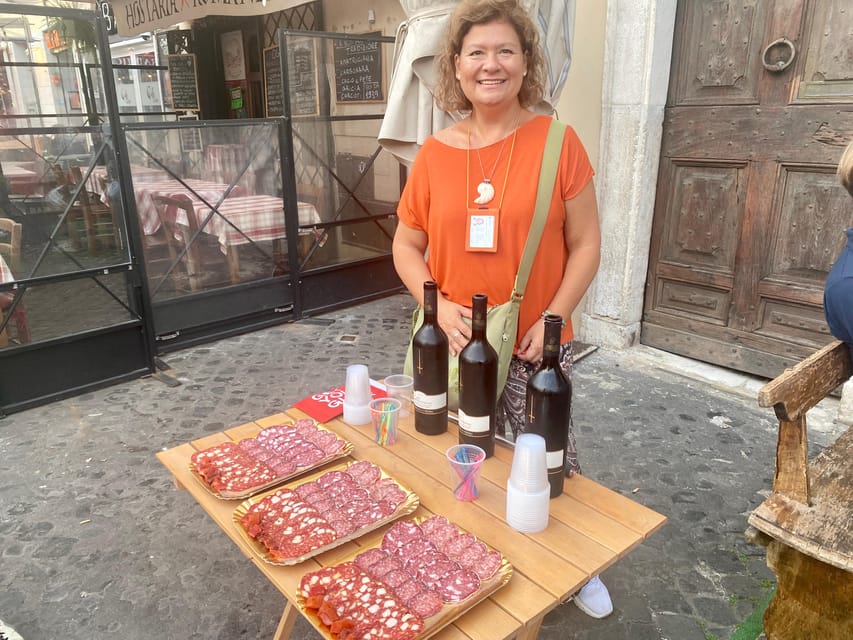
Vegetarians can be accommodated, but you must advise the operator in advance. Last-minute requests are not accepted, so do not assume you can change the menu on the day.
This tour is not suitable for vegans or people with gluten intolerance. The main foods include pizza al taglio and supplì, so gluten is part of the experience. If you have a mild preference rather than a strict restriction, ask before booking rather than relying on substitutions.
The tour is conducted in English and includes a licensed local guide. Extra food and drinks are not included, so bring a little flexibility if a tasting inspires you to order more.
Free cancellation is available up to 24 hours before the start for a full refund. You can also reserve now and pay later, which helps if you are still arranging your Rome schedule. Starting times vary, and checking the available time is especially important because of the afternoon market closure.
Who should book this food tour?
I would recommend it to first-time visitors who want a quick introduction to Roman eating habits without giving up sightseeing. It is also a good choice for repeat visitors who have covered the major monuments and want to see the Jewish Quarter with a local food focus.
The tour suits people who like small tastings, short walks, and informal explanations. It is less suitable if you want a long sit-down meal, a strictly fixed restaurant menu, or a tour built around wine alone.
Families and mixed-interest groups may appreciate the variety. One person can focus on the history, another on the food, and everyone gets a route through several central neighborhoods. Just remember that the tastings are not designed to replace a full meal.
Should you book it?
Book this tour if you want food and sightseeing in one compact outing, especially if you can go in the morning and enjoy market browsing. The Jewish Quarter stop, Roman-Jewish tasting, and finish at Largo di Torre Argentina give the route more character than a basic pizza sampling walk.
Skip it if you are vegan, gluten intolerant, or hoping for generous portions. For everyone else, $46 is fair for five tastings, wine, beer, a licensed guide, and a 2.5-hour route through some of central Rome’s most interesting streets. Just treat the market as a place to learn before you shop, and request vegetarian arrangements well ahead of time.
FAQ
How long does the Rome Jewish Quarter and Campo de’ Fiori food tour last?
The walking tour lasts 2.5 hours.
Where does the tour begin?
It begins in Campo de’ Fiori, under the statue of Giordano Bruno in the middle of the square.
Where does the tour end?
The tour ends at Largo di Torre Argentina.
What food is included?
You receive five different street-food tastings. These include foods such as supplì, pizza al taglio, a Roman-Jewish specialty, and dessert.
Are drinks included?
Yes. The experience includes a sample of beer and a sample of wine.
Is the Campo de’ Fiori market open all day?
No. The market is closed in the afternoons, so choose a morning departure if you want to see it operating.
Is the tour offered in English?
Yes. The live tour guide speaks English.
Can vegetarians join?
Yes, but you must request a vegetarian option in advance. Last-minute requests cannot be accommodated.
Is the tour suitable for vegans or people with gluten intolerance?
No. The tour is not suitable for vegans or people with gluten intolerance.
Can I cancel for a refund?
Yes. You can cancel up to 24 hours in advance for a full refund. You can also reserve now and pay later.
More Food Tours in Rome
- Rome: Tuscany & Montepulciano Day Trip with Lunch & Wine Tasting
★ 4.5 · 5,232 reviews - Winner 2025 Rome Twilight Trastevere Food Tour by Eating Europe
★ 5.0 · 5,157 reviews - Rome Food Tour: Unlimited Tastings with Fine Wine & Barolo
★ 5.0 · 3,365 reviews - Rome: Trastevere Food tour with Free-Flowing Fine Wine
★ 5.0 · 2,853 reviews
Newest reviews from Rome
- ROME:Colosseum & Ancient Rome – private/small group TOUR★ 5.0 · 24 reviews
- Off the Beaten Track in Rome: Rione VI Parione Private Tour★ 5.0 · 24 reviews
- Cinematic Photoshoot in Rome★ 5.0 · 24 reviews
- Rome: Best of Colosseum and Roman Forum Small Group Guided Tour★ 4.5 · 24 reviews
- The Labyrinth of Rome between catacombs and ancient quarries★ 4.5 · 24 reviews
- Vatican and Trionfale Market Tour with Wine and Food Tasting★ 5.0 · 24 reviews
- private tour: Vatican Museums, Sistine Chapel, St. Peter’s Basilica★ 4.5 · 24 reviews
- Colosseum guided tour with Virtual Reality★ 5.0 · 24 reviews
Jewish Ghetto Tours, compared.
Trastevere or Jewish Quarter Street Food Tour
Read our review →
Eat Like a Roman Ghetto & Campo de’ Fiori Food Tour
Read our review →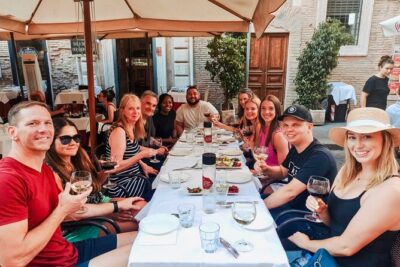
Jewish Ghetto & Piazza Navona: Food, Wine & Sightseeing Rome Tour
Read our review →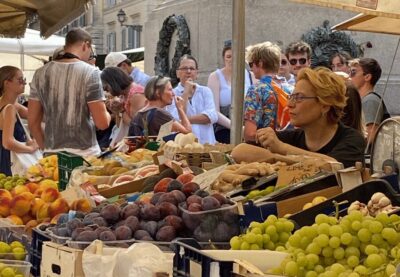
Food & Wine Tour of Campo de Fiori, Ghetto, Trastevere
Read our review →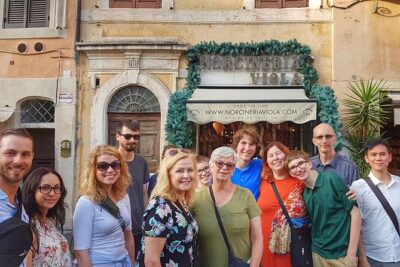
Jewish Ghetto and Campo Dè Fiori By Night Food, Wine and Sightseeing Tour
Read our review →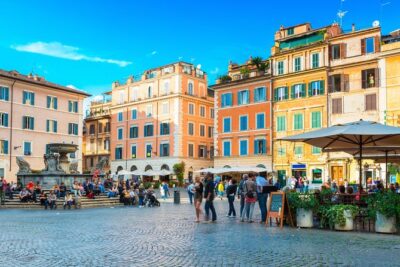
Trastevere and Rome’s Jewish Ghetto Half-Day Walking Tour
Read our review →
Jewish Ghetto & Campo de Fiori by Night Food Wine Tour
Read our review →Browse the lists this tour appears in