
Reviewed · JEWISH GHETTO TOURS
Rome Street Food: Delights at Campo dei Fiori & Ghetto Area
Rome’s best food lessons often happen between the monuments. This 2.5-hour walk links Campo de’ Fiori and the Jewish Ghetto with five tasting stops, turning pizza, cured meat, supplì, fried artichokes, and gelato into an easy introduction to Roman eating habits. I love the mix of food and street-level history, and I like that the tastings are substantial enough to cover lunch for many people.
The main drawback is that the Jewish Ghetto receives only one scheduled food stop, so you should not book this expecting a full culinary tour of that neighborhood. You will also spend much of the time standing on cobbles, with no guaranteed seats. Still, at $41 per person, the amount of food and sightseeing makes this a strong-value choice for a first day in central Rome.
In This Review
- Key points at a glance
- Why this Rome food walk works so well
- Meeting Giordano Bruno at Campo de’ Fiori
- Via del Biscione and the route’s quieter details
- Via dei Chiavari and the Roman supplì
- The Jewish Ghetto and Rome’s fried artichoke
- Largo Argentina and the final gelato
- What $41 gets you
- Choosing the right time and preparing well
- Should you book this Roman street food tour?
- FAQ
- Where does the tour start?
- Where does the tour finish?
- How long does the food tour last?
- What language is the tour conducted in?
- How many food stops are included?
- What foods are included?
- Are drinks included?
- Is a vegetarian option available?
- Can vegans or people with gluten intolerance join?
- Is the tour accessible for wheelchair users?
Key points at a glance
- Start beneath Giordano Bruno: Meet your guide at the statue in the center of Campo de’ Fiori, an easy landmark in a busy square.
- Five food stops fill the 2.5 hours: Expect Roman pizza, cured meats, supplì, a Jewish-Roman fried artichoke, and gelato.
- Morning and afternoon tours differ: Morning departures can include olive oil, truffle, and balsamic tastings at the market. Afternoon groups may see the square after the stalls have been cleared.
- History comes between bites: The route passes Campo de’ Fiori, Via del Biscione, Via dei Chiavari, the Jewish Ghetto, and Largo Argentina.
- Wine and beer are only samples: A sip of each is included, but other drinks are not.
- Dietary limits matter: Vegetarian food is possible with advance notice. Vegan, gluten-free, and dairy-free options are not available.
Why this Rome food walk works so well
I see this as a gentle introduction to Roman food rather than a formal restaurant crawl. You move through ordinary streets, stop at local food businesses, and learn why these dishes matter while eating them. That combination gives you useful context without making the tour feel like a long history lecture.
The route is also flat, which helps with the walking. The cobbles still require care, and you should expect to stand at most stops. One person described it as manageable for a range of abilities but specifically warned about uneven paving, which is sound advice for central Rome.
The food portions appear generous enough to make this a practical midday meal. You may not need a separate lunch afterward, though you will want room for the first stop. The tastings are spread over the walk, so the experience feels more like grazing through the city than sitting down for one large meal.
The guides are a major part of the experience. Names associated with this tour include Francesca, Ramona, Barbara, Mattia, Arianna, and Adrianne. Their styles may differ, but the strongest pattern is clear: the guide explains both the dish and the setting around it. That matters in Rome, where a fried rice ball can lead into a conversation about everyday food, local habits, and neighborhood history.
More Jewish Ghetto walks:
- Rome: Trastevere or Jewish Quarter Street Food Tour
★ 4.8 · 3,839 reviews - Jewish Ghetto and Trastevere Tour Rome
★ 4.5 · 1,729 reviews - Jewish Ghetto and Synagogues with Jewish Roman Guide 3 Hours
★ 5.0 · 907 reviews
Meeting Giordano Bruno at Campo de’ Fiori
Your tour begins under the statue of Giordano Bruno, placed in the middle of Campo de’ Fiori. This is the meeting point, not a nearby side street, so allow yourself enough time to find the statue in the square.
Campo de’ Fiori is one of Rome’s best places to watch the city at work. In the morning, market stalls fill the square with produce and other goods. The tour uses this setting for its first look at Roman shopping and food traditions. On a morning departure, you may taste olive oil, truffles, and balsamic vinegar at the local market.
That market detail is important when choosing a start time. The morning version gives you the fullest market experience. An afternoon tour may not include the same stall tastings because the market closes and the square is cleaned quickly. One afternoon participant was surprised by how fast the entire square changed once the stalls were gone. You will still visit Campo de’ Fiori, but the atmosphere and food options can differ by schedule.
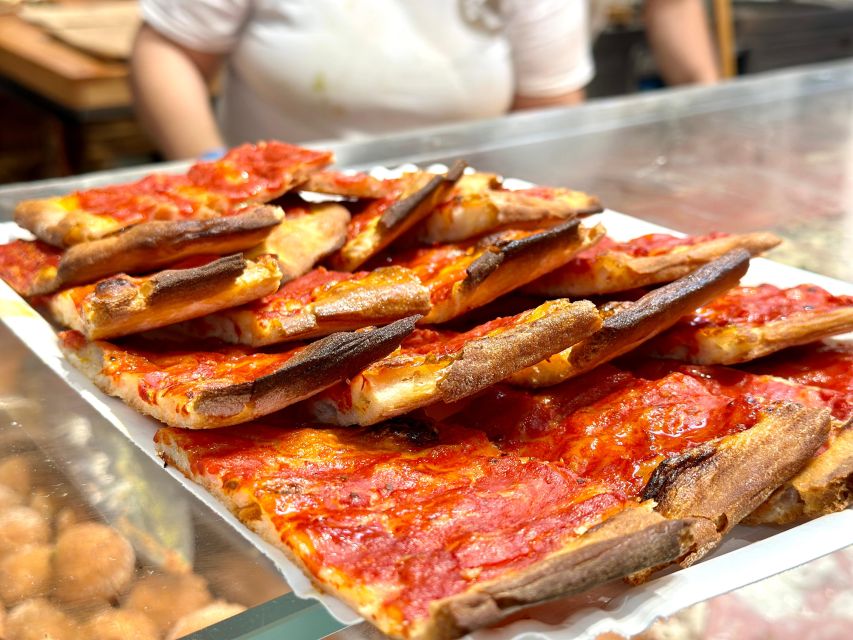
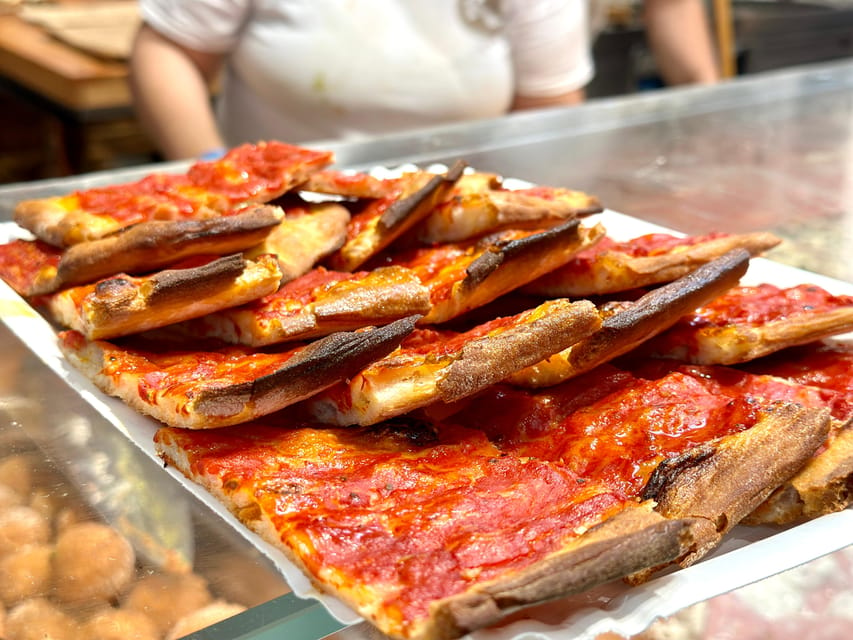
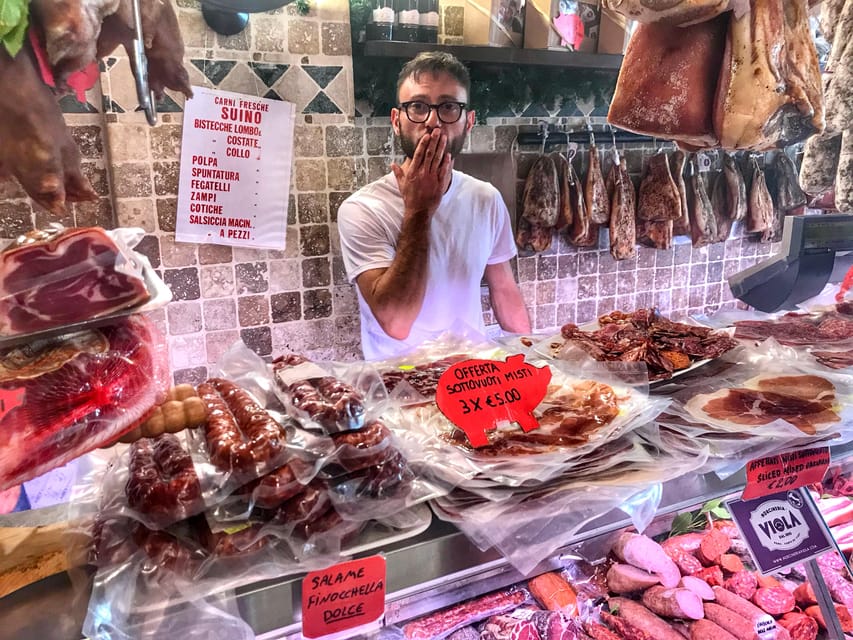
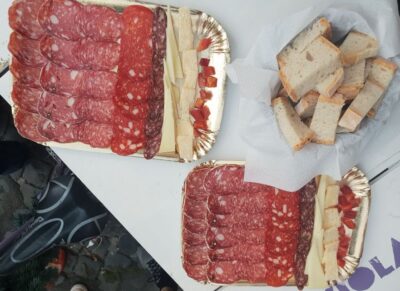
The first food stop includes freshly baked pizza from an old bakery. Roman pizza comes in many forms, and this tasting gives you a simple way to focus on the crust, toppings, and baking style without having to order a full meal. You also sample assorted cured meats from a local shop that has operated since 1890.
I like this opening because it starts with familiar foods, then adds local detail. Pizza and salami are easy to enjoy, but the guide’s explanation helps you notice the difference between buying food in a long-established shop and grabbing a snack from a generic takeaway counter.
A sample of wine is included here or along the food route, and the tour also provides one sample of beer. These are tastes, not full drinks. If you want more than that, you need to pay separately.
Via del Biscione and the route’s quieter details
After Campo de’ Fiori, the group walks toward Via del Biscione. This short section takes about 10 minutes, but it is more than a transfer between food stops.
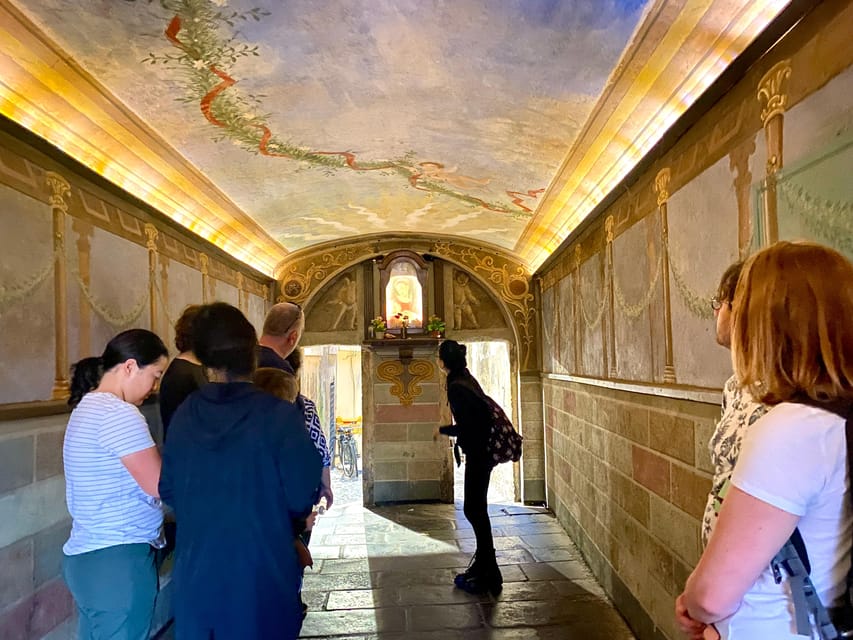
The guide points out an old passageway with frescoes and a shrine. It is the kind of detail that is easy to miss when you move through Rome with your eyes fixed on the major monuments. You will not spend a long time here, but the stop adds texture to the walk and shows how religious art and old buildings appear in everyday corners of the city.
This is also where the tour’s pace becomes clear. You are not rushing from one famous sight to the next. Instead, you walk a short distance, hear a story, eat something, and continue. For me, that is the right rhythm for a food tour, although anyone looking for a seated meal may find the constant movement tiring.
Via dei Chiavari and the Roman supplì
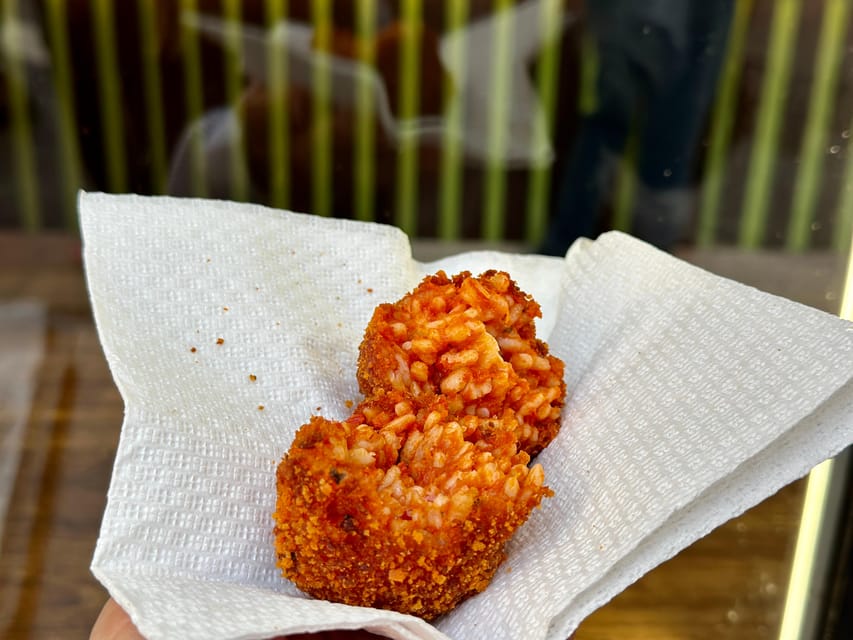
Via dei Chiavari brings the tour to another food tasting, including the famous supplì. This is a deep-fried rice ball, usually built around cooked rice and a savory filling. It is one of Rome’s classic grab-and-go foods, the sort of item that makes sense as a quick snack but feels more interesting when you learn where it fits into local eating.
The supplì is a useful contrast to the pizza and cured meat from the opening stops. It is hot, crisp, and filling, so pace yourself. The tour includes several tastings, and eating every portion quickly can leave you overly full before the artichoke and gelato arrive.
Guides explain the food as you go, including how Romans approach casual eating and why certain dishes became part of the city’s daily routine. Mattia, Francesca, and other guides have been praised for explaining both the history of the city and the food in clear, engaging terms. I would value that most here, because supplì is easy to sample but less obvious to understand if you have never encountered it before.
Via dei Chiavari also keeps you close to the old center without turning the walk into a checklist of major sights. You get a sense of the streets around Campo de’ Fiori, where food shops and historic buildings sit close together.
More Rome street food crawls:
- Rome: Trastevere & Campo de Fiori Street Food Walking Tour
★ 4.9 · 2,768 reviews - Rome Street Food Tour with Local Guide
★ 5.0 · 2,361 reviews - Trastevere & Campo de’ Fiori Street Food Tour, Eat Like a Local
★ 5.0 · 207 reviews - Hidden Rome: Small Group E-Bike Tour with Street Food Stops
★ 5.0 · 169 reviews
The Jewish Ghetto and Rome’s fried artichoke
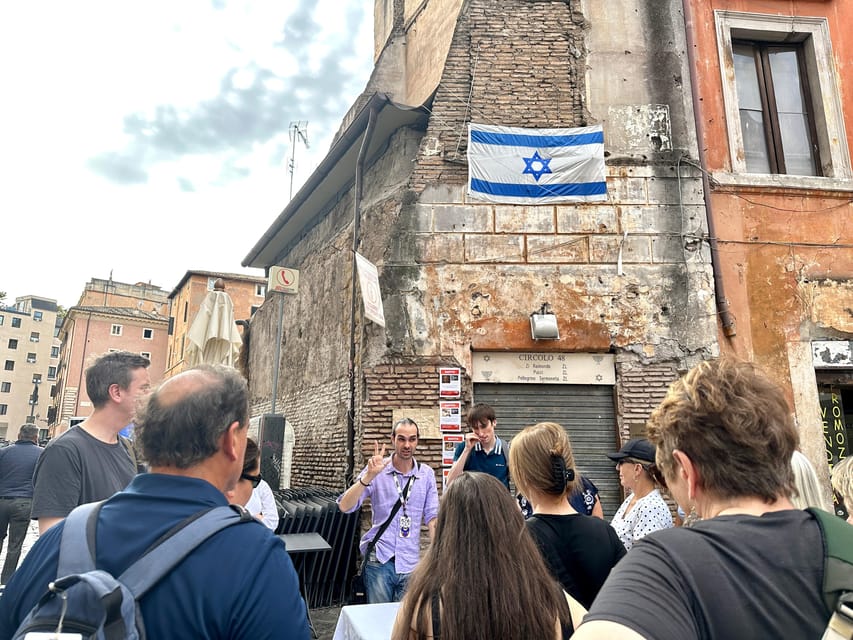
The tour then enters Rome’s historic Jewish Ghetto, one of the oldest Jewish quarters in the western world. This is the most significant cultural section of the route, and the guide connects the neighborhood’s past with its food traditions.
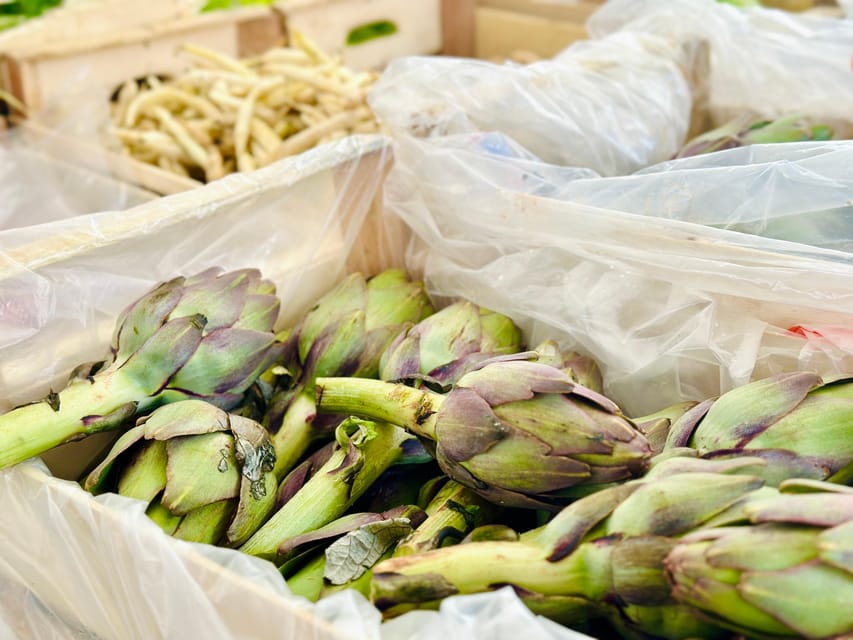
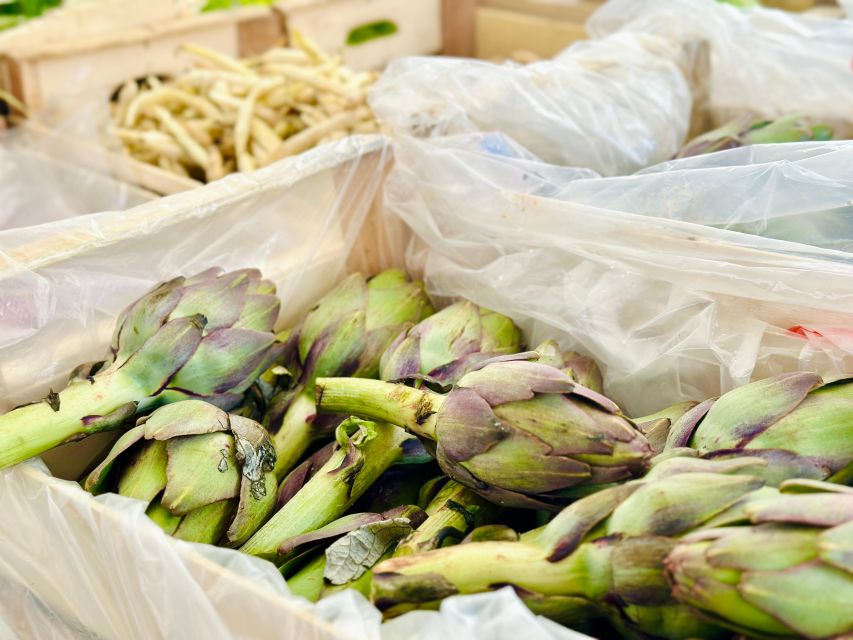
The key tasting here is the fried artichoke, known for its crisp outside and distinctive flavor. It is a local favorite, but it may be unfamiliar if you have not spent much time with artichokes. The preparation gives the vegetable a very different character from the soft, steamed or braised versions you may know.
This stop is one of the tour’s best reasons to book. Food here is not treated as decoration. The dish opens a door into the cooking traditions of Rome’s Jewish community and shows how a neighborhood’s identity can survive through what people prepare and eat.
I do want to set expectations correctly. The route includes one main food tasting in the Jewish Ghetto, not a long series of separate tastings throughout the quarter. If your main goal is to compare several Jewish-Roman dishes, you may want extra time in the area before or after the tour.
The walking here is still on city streets, with cobbles and limited chances to sit. The group pauses for explanations and food, but seats are not guaranteed. Wear shoes with steady soles, and do not plan this as a good fit for a wheelchair or for anyone who has difficulty standing or walking for 2.5 hours.
Largo Argentina and the final gelato
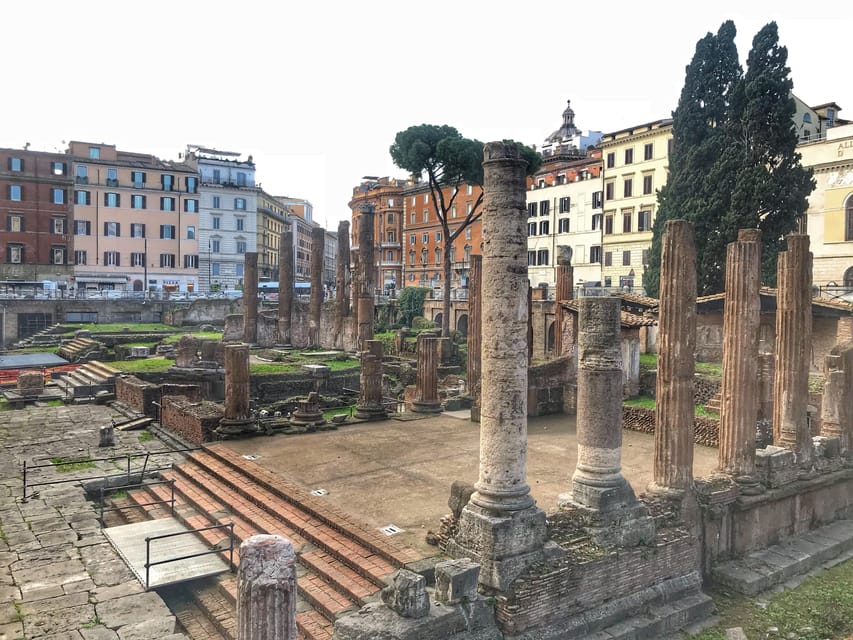
The tour ends at the Area Sacra di Largo Argentina, also called Largo di Torre Argentina. This archaeological site contains ancient ruins in the middle of modern Rome, making it a fitting final view after a walk through the city’s older streets.
You finish with gelato, a cool and easy dessert after the savory tastings. Gelato is a familiar Roman pleasure, but ending with it gives the tour a pleasant change of pace. It also means the final stop is less demanding than another full savory course.
The endpoint is useful for planning the rest of your day. You finish at Area Sacra di Largo Argentina rather than returning to Campo de’ Fiori, so check your next destination before booking. The route is central, but you should still allow time to orient yourself after the group separates.
The ending also ties together the tour’s main idea: Roman food is part of the city’s daily streets, not something kept apart from its ancient ruins and old neighborhoods. You eat, walk, look around, and keep moving through the center.
What $41 gets you
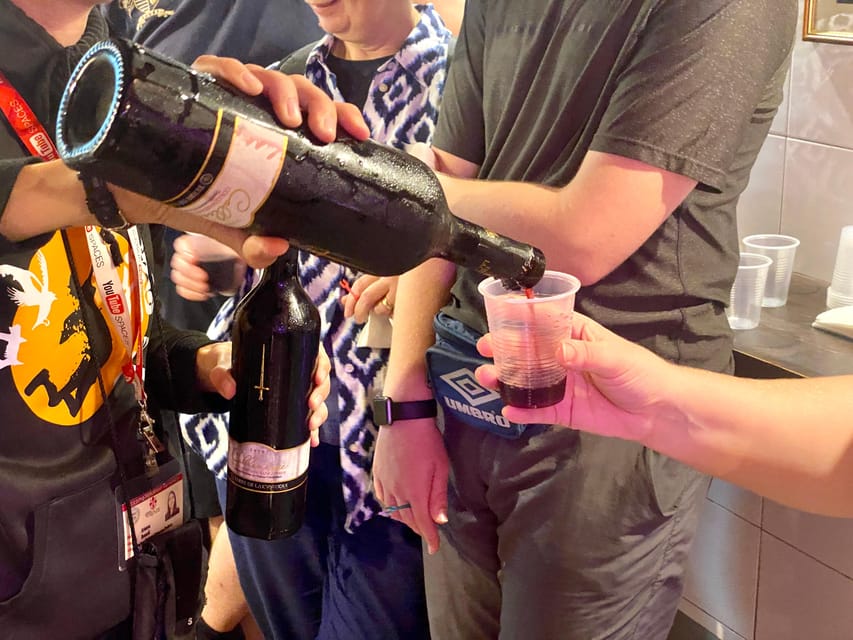
At $41 per person, this tour offers solid value if you would otherwise buy lunch and pay for a guided walk separately. You receive five food stops, a pizza tasting, cured meat, supplì, fried artichoke, gelato, a sample of wine, and a sample of beer. The portions have been described as generous, and several people found the food sufficient to carry them through until dinner.
The value improves if you care about explanation. You are not only paying for snacks. You are paying for a guide who interprets the food, shows you streets you might otherwise pass, and gives practical advice about Italian dining.
It is not the cheapest way to eat in Rome, and drinks beyond the included samples cost extra. You also do not receive a full restaurant meal or a guaranteed seat. Think of the price as covering a filling food walk with sightseeing, not an all-you-can-eat tasting event.
Compared with pricier food tours, this one makes a good case for itself. The food list is broad, the route covers two distinctive areas, and the tour fits into half a day. If you are trying to control your Rome budget, it can replace lunch while giving you a useful orientation to the historic center.
Choosing the right time and preparing well
Pick a morning start if the Campo de’ Fiori market is a priority. That is when the olive oil, truffle, and balsamic tasting may be available. Choose an afternoon time only if you are comfortable with a quieter market square and understand that the market portion may not be the same.
I would eat a light breakfast before the tour. The route includes enough food to fill you, especially when you reach the pizza, cured meats, supplì, artichoke, and gelato in one outing.
Tell the operator in advance if you are vegetarian. A vegetarian option can be arranged only when requested ahead of time. Vegan, gluten-free, and dairy-free versions are not available, and anyone with a nut allergy should understand that cross-contamination is possible.
Bring water, even though the tour includes food and small alcohol samples. Wear comfortable shoes with good grip. Pets are not allowed, and the experience is not suitable for wheelchair users or people with limited walking or standing capacity.
The tour is in English with a live local guide. Past guides have included Francesca, Ramona, Barbara, Mattia, Arianna, and Adrianne. A guide’s personality can shape the outing, but the format gives the leader plenty to work with: food, old streets, the Jewish quarter, and Largo Argentina.
Should you book this Roman street food tour?
Book it if you want a well-priced first taste of Rome and prefer walking between small food stops instead of sitting in one restaurant. It suits couples, families with older children, and first-time visitors who want food plus useful orientation. It is also a smart choice for lunch on an arrival or sightseeing day.
Skip it if you need a seated experience, follow a vegan or gluten-free diet, or want a tour devoted almost entirely to the Jewish Ghetto. The food is the main event, but the walking and standing are part of the deal.
For most people who can manage the cobbles, I would book it early in a Rome visit, preferably in the morning. You will learn what supplì and fried artichoke taste like, see several central neighborhoods, and leave with a better sense of how Rome eats from day to day.
FAQ
Where does the tour start?
Meet your guide under the statue of Giordano Bruno in the middle of Campo de’ Fiori square.
Where does the tour finish?
The tour finishes at Area Sacra di Largo Argentina, also known as Largo di Torre Argentina.
How long does the food tour last?
The tour lasts 2.5 hours.
What language is the tour conducted in?
The live tour guide conducts the experience in English.
How many food stops are included?
The tour includes five food stops.
What foods are included?
You can expect Roman pizza, assorted cured meats, supplì, a fried artichoke in the Jewish Ghetto, and gelato. Morning tours may also include olive oil, truffle, and balsamic tastings at the market.
Are drinks included?
A sample of wine and a sample of beer are included. Other drinks are not included.
Is a vegetarian option available?
A vegetarian option can be provided if you request it in advance.
Can vegans or people with gluten intolerance join?
The tour is not suitable for vegans or people with gluten intolerance. Vegan, gluten-free, and dairy-free options are not available.
Is the tour accessible for wheelchair users?
The tour is not suitable for wheelchair users or people with limited walking or standing capacity. Seats are not guaranteed, and the route includes cobbled streets.
More Food Tours in Rome
- Rome: Tuscany & Montepulciano Day Trip with Lunch & Wine Tasting
★ 4.5 · 5,232 reviews - Winner 2025 Rome Twilight Trastevere Food Tour by Eating Europe
★ 5.0 · 5,157 reviews - Rome Food Tour: Unlimited Tastings with Fine Wine & Barolo
★ 5.0 · 3,365 reviews - Rome: Trastevere Food tour with Free-Flowing Fine Wine
★ 5.0 · 2,853 reviews
Newest reviews from Rome
- ROME:Colosseum & Ancient Rome – private/small group TOUR★ 5.0 · 24 reviews
- Off the Beaten Track in Rome: Rione VI Parione Private Tour★ 5.0 · 24 reviews
- Cinematic Photoshoot in Rome★ 5.0 · 24 reviews
- Rome: Best of Colosseum and Roman Forum Small Group Guided Tour★ 4.5 · 24 reviews
- The Labyrinth of Rome between catacombs and ancient quarries★ 4.5 · 24 reviews
- Vatican and Trionfale Market Tour with Wine and Food Tasting★ 5.0 · 24 reviews
- private tour: Vatican Museums, Sistine Chapel, St. Peter’s Basilica★ 4.5 · 24 reviews
- Colosseum guided tour with Virtual Reality★ 5.0 · 24 reviews
Jewish Ghetto Tours, compared.
Trastevere or Jewish Quarter Street Food Tour
Read our review →
Eat Like a Roman Ghetto & Campo de’ Fiori Food Tour
Read our review →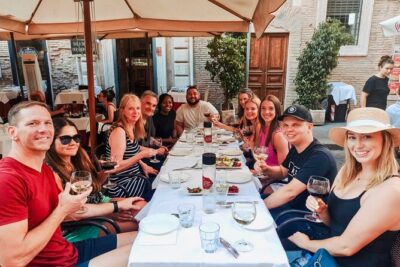
Jewish Ghetto & Piazza Navona: Food, Wine & Sightseeing Rome Tour
Read our review →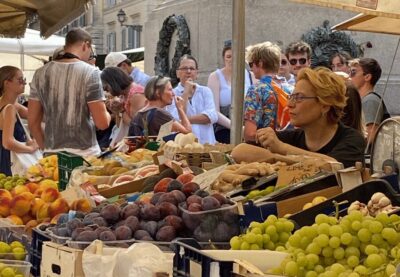
Food & Wine Tour of Campo de Fiori, Ghetto, Trastevere
Read our review →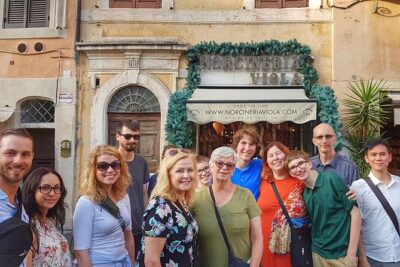
Jewish Ghetto and Campo Dè Fiori By Night Food, Wine and Sightseeing Tour
Read our review →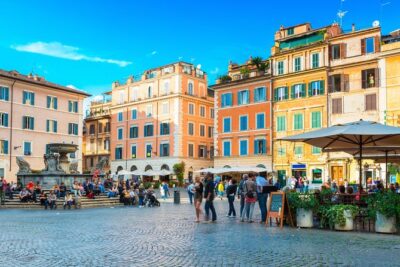
Trastevere and Rome’s Jewish Ghetto Half-Day Walking Tour
Read our review →
Jewish Ghetto & Campo de Fiori by Night Food Wine Tour
Read our review →Browse the lists this tour appears in