
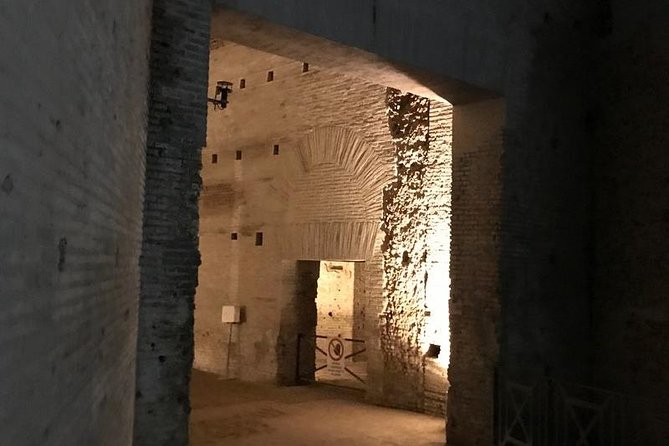
Reviewed · DOMUS AUREA TOURS
Nero’s Golden House restoration site tour
Nero’s Domus Aurea is one of Rome’s strangest sights: an enormous palace buried beneath the city, where ancient frescoes survive in cool, damp rooms. The best part is the virtual reality reconstruction, which helps you picture the lavish complex before later emperors covered it over.
I like two things here. First, the guide connects the ruins to Nero’s story and the fire of Rome instead of treating the rooms as silent stones. Second, the site feels very different from the Colosseum and Forum, with restoration work and delicate wall paintings giving you a closer look at Roman decoration.
The main drawback is practical: the rooms stay around 50 degrees Fahrenheit with 100 percent humidity. Ticket delivery and the meeting point have also caused serious confusion, so you need the correct entry ticket, all participant names, and plenty of time before the visit.
In This Review
- Key points to know before you book
- Why Nero’s Golden House is worth your time
- Finding the entrance on Via delle Terme di Tito
- What you see inside the one-hour archaeological visit
- The virtual reality finale brings the palace back
- The cold, damp conditions are part of the experience
- Is $60.01 a fair price for this tour?
- Who will enjoy the Domus Aurea most?
- Booking details that can save your visit
- Should you book Nero’s Golden House?
- FAQ
- Where does the Domus Aurea tour start and end?
- How long does the tour last?
- What does the $60.01 price include?
- Is the tour offered in English?
- How cold is the Domus Aurea?
- How early should I arrive?
- What documents do I need to enter?
- How many people can join the tour?
Key points to know before you book
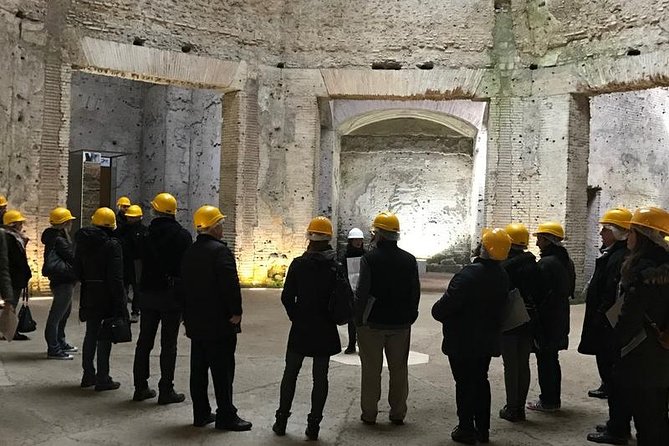
- The VR presentation makes the ruined palace easier to understand: You see how Nero’s rooms may have looked when covered in color, marble, and ornament.
- The tour lasts about 90 minutes: Roughly one hour is spent inside the archaeological site, with the guide leading the visit.
- The Domus Aurea is cold all year: Bring a coat, jacket, or pullover, even during Rome’s hottest months.
- You must arrive 30 minutes early: Go to Via delle Terme di Tito, 72, and have the reservation code and proper entry ticket ready.
- The price includes admission and a guide: At $60.01 per person, it is convenient but expensive compared with the official ticket price cited by one booking customer.
- The group can reach 22 people: This is not a private tour, and a guide may be difficult to hear if the group spreads out.
Why Nero’s Golden House is worth your time
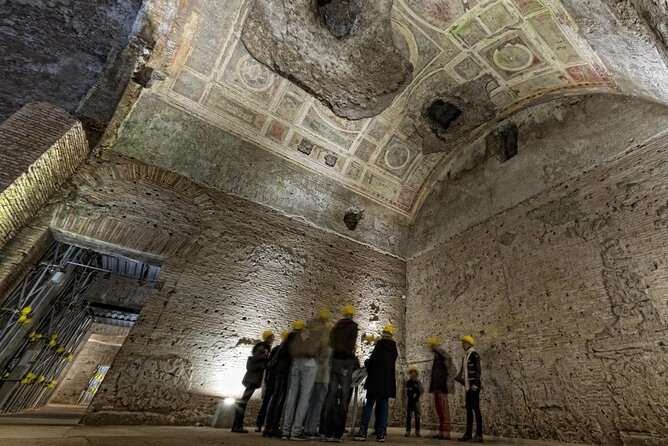
Most first visits to ancient Rome focus on the Colosseum, Roman Forum, and Palatine Hill. Those sites are essential, but the Domus Aurea shows you a different side of Roman power: not public spectacle, but private excess.
The palace was built for Emperor Nero after the great fire of Rome in AD 64. The name means Golden House, a reference to the luxurious finishes associated with the complex. Later rulers buried much of it beneath new construction, which helped protect the rooms and their painted decoration.
That history gives the visit a useful tension. Nero’s palace was meant to proclaim his magnificence, but the palace also helped fuel resentment toward him. After Nero’s death, much of the complex was deliberately covered and repurposed. You walk through a place that was both a royal showpiece and an embarrassing reminder of imperial extravagance.
I find the site especially valuable if you already know the basic Roman sights. The Domus Aurea does not try to compete with the Colosseum’s size. Instead, it gives you rooms, surfaces, and small details to study. The preserved wall paintings helped inspire Renaissance artists, and the ongoing restoration means the experience can change as new areas receive attention.
More Domus Aurea entries:
- Rome: Domus Aurea Guided Group Tour
★ 4.6 · 697 reviews - Rome: Domus Aurea, Nero’s Golden House guide tour
★ 4.6 · 449 reviews - Rome: Trevi Fountain District and Underground Domus Guided Tour
★ 4.5 · 298 reviews
Finding the entrance on Via delle Terme di Tito
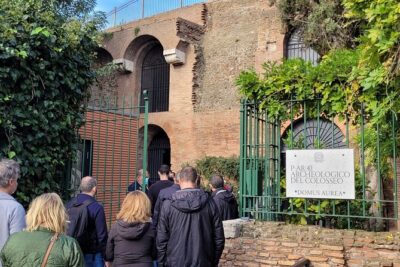
The meeting point is Via delle Terme di Tito, 72, 00184 Rome, near public transportation and the Colosseum area. The entrance is connected with the park around the Colosseum, but it is not always obvious. The phrase entrance to the park is too vague for a place that can be easy to miss.
Give yourself extra time to locate the actual Domus Aurea entrance. Arriving 15 minutes early may not be enough if you are unfamiliar with the park, especially if you need to ask staff for directions.
The required arrival time is 30 minutes before the start. Treat that as part of the tour, not as a suggestion. You need to be standing at the entrance with the reservation code supplied for your booking. Arriving late can mean losing the visit, since entry is tied to a scheduled time.
The paperwork is the biggest logistical weakness. The booking confirmation may clearly say that it is not the entry ticket. The actual ticket is sent separately, sometimes by email or WhatsApp. Before leaving your hotel, open the message and locate the PDF or document that functions as the ticket. Do not rely only on a red notice saying the confirmation is not valid for entry.
Also provide the first and last name of every person in your party when booking. The entrance staff can refuse admission if the names are missing. Save the ticket offline or take a screenshot, and keep the reservation code available in case the message system becomes difficult to navigate.
What you see inside the one-hour archaeological visit
The indoor portion lasts about one hour. A live guide leads you through the accessible restoration areas and explains the palace, Nero’s reign, and the fire that changed Rome.
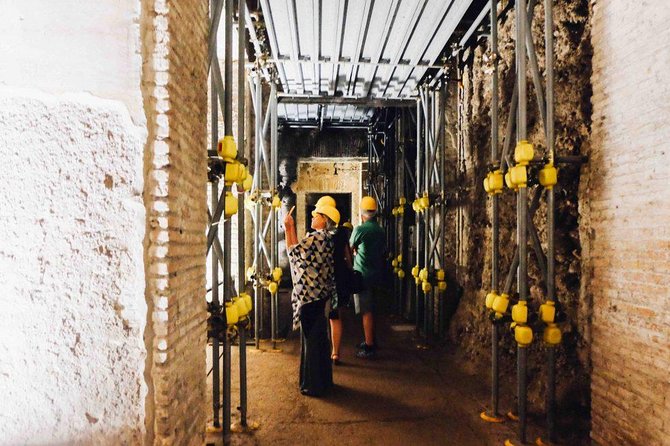
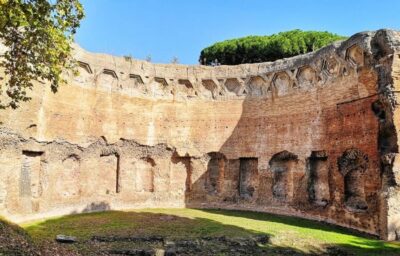
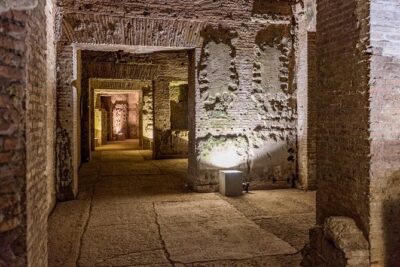
The Domus Aurea is not a fully reconstructed palace. You see archaeological rooms, exposed masonry, fragments of decoration, and surfaces under active conservation. That unfinished quality is part of the appeal, but it also means the visit is less visually immediate than walking into a restored villa.
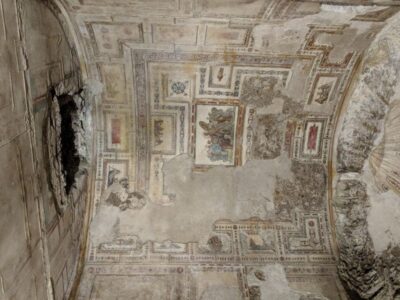
Pay attention to the wall decoration. Roman artists used painted architectural effects, ornamental borders, and figures to make rooms seem larger and more elaborate. The surviving frescoes are especially important because they influenced Renaissance painters after the palace was rediscovered.
You might also encounter material connected with a temporary Egyptian-themed exhibition. The Egyptian references are one of the more unusual parts of the site and add another layer to Nero’s taste for grand, foreign-looking decoration.
The guide matters here. The rooms can be hard to interpret without help, and the best guides give you a mental map of the palace rather than simply naming objects. An art historian has led some visits, and one particularly strong guide brought detailed information about both the building and its Egyptian connections.
English is the advertised language. Guide quality can vary, though. Some visitors have found the commentary clear and enthusiastic, while others have struggled with a strong accent, soft speaking, or a guide who faced away from the group. If you have hearing difficulties, stay close to the guide and ask to move nearer when the group enters a new room. The tour does not appear to rely on a headset system, so position matters.
The virtual reality finale brings the palace back
The VR section is the most popular part of the experience for good reason. Ruined rooms can be difficult to picture, even when the guide explains them well. The virtual reconstruction gives you a visual sense of the palace in its original state, with its decoration and scale restored through digital imagery.
The presentation is brief, but it does useful work. You can compare the plain archaeological remains in front of you with the lavish palace suggested by the reconstruction. That contrast is the point. The technology does not replace the ruins; it helps you read them.
Families often find this section particularly effective. Children may not care much about fragments of plaster, but the VR sequence gives them a clear before-and-after image. The experience has also been a highlight for adults who had already visited the Colosseum and Forum.
There are two practical cautions. The headsets are shared, and one visitor reported an unpleasant smell. Another found that cleaning spray fogged the lenses. If the image looks cloudy, ask for help rather than assuming the reconstruction is unclear. The equipment issue does not erase the value of the presentation, but it can reduce the impact.
A completely different way to spend the day in Rome:
- Vatican: Museums & Sistine Chapel Entrance Ticket
★ 4.5 · 144,003 reviews - Vatican Museums & Sistine Chapel Tour with Optional Basilica
★ 4.3 · 67,413 reviews - Vatican Museums, Sistine Chapel & St Peter’s Basilica Guided Tour
★ 4.5 · 39,149 reviews - Rome: Colosseum, Palatine Hill and Roman Forum Guided Tour
★ 4.8 · 32,814 reviews
The cold, damp conditions are part of the experience
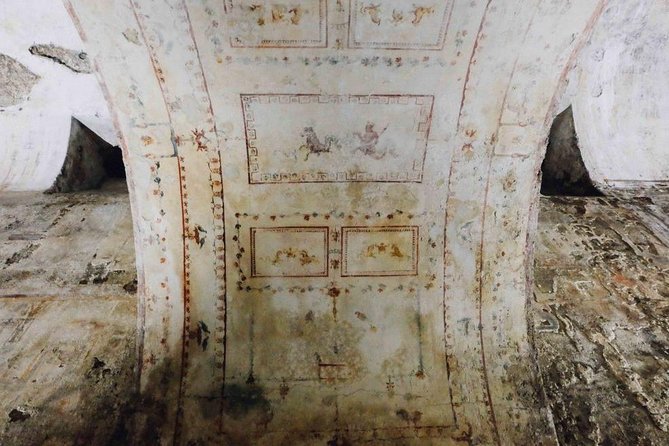
The site maintains a controlled atmosphere at roughly 10 degrees Celsius, or 50 degrees Fahrenheit, with 100 percent humidity. This is not a mild indoor museum visit. You can feel cold quickly, particularly if you are wearing summer clothing.
Bring a coat, fleece, jacket, or pullover in every season. The advice is not just for winter. Rome may be hot and sunny outside, while the Domus Aurea feels like a refrigerated cellar inside.
The temperature and humidity serve the conservation of the ancient remains, so they are not a service flaw in the usual sense. Still, you should plan around them. If you are sensitive to cold, dress more warmly than you think necessary. The tour is only about 90 minutes, but that is long enough to become uncomfortable.
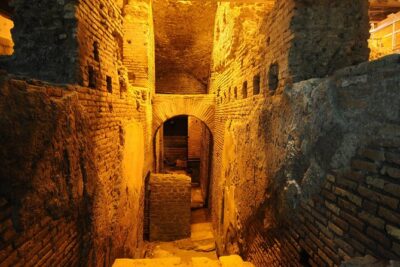
The site is underground and can feel atmospheric, which adds to its character. Just keep your expectations realistic. You are visiting a protected archaeological restoration site, not a bright, climate-controlled gallery.
Is $60.01 a fair price for this tour?
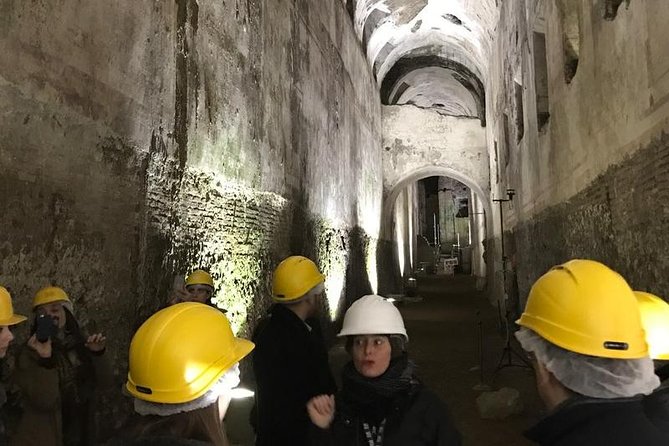
The listed price is $60.01 per person and includes the guided tour, admission, and taxes. No private transportation is included, so you must make your own way to the entrance and back to the same meeting point.
That price may be reasonable if the official tickets are sold out and you need help securing a timed visit. The Domus Aurea has limited opening periods and scheduled access, and it can be difficult to fit into a Rome itinerary without planning ahead. This experience is booked an average of 42 days in advance, which tells you not to leave it until the last morning of your trip.
But the price is high for a 90-minute visit. One customer found an official webshop price of about EUR 19, making the third-party charge more than double. In that case, you are paying for access, booking convenience, and the tour company’s service, not for a longer visit or private treatment.
I would first check the official Domus Aurea ticket site for your dates. If it is sold out, compare the cost of this option with other authorized sellers. The premium may be worth paying if this is a priority and your schedule is fixed. It is harder to justify if you can book directly.
The group size can reach 22 people. That is manageable inside the rooms, but it is not intimate. The experience depends heavily on staying close enough to hear the guide.
Who will enjoy the Domus Aurea most?
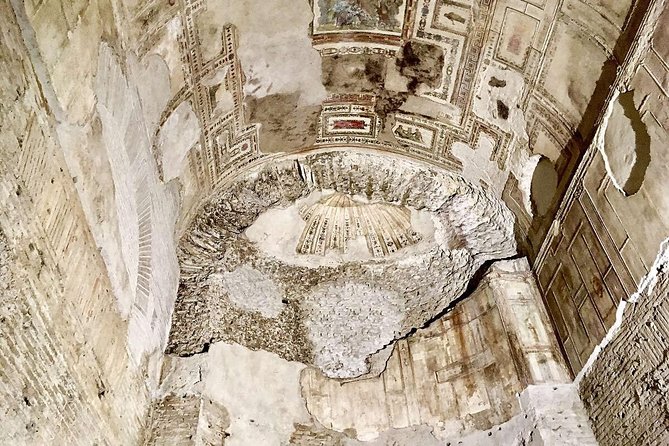
I would recommend this for anyone fascinated by Nero, Roman emperors, ancient art, or archaeological conservation. It is also a good choice after the Colosseum, because you will better understand the political world that produced both public monuments and private palaces.
Families with children from about seven through the teenage years can enjoy it, especially because of the underground setting and VR segment. The history may require some explanation, but the palace reconstruction gives younger visitors something concrete to follow.
Art lovers should put it high on the list. The surviving frescoes are the reason Renaissance artists took such interest in the site, and the restoration setting lets you see how fragile ancient decoration is handled.
I would be more cautious if you have only one day in Rome. The Colosseum, Forum, and Palatine Hill offer more to see and may be better first choices. I would also think twice if you dislike cold environments, shared headsets, or tours where the guide’s voice may be hard to hear.
Booking details that can save your visit
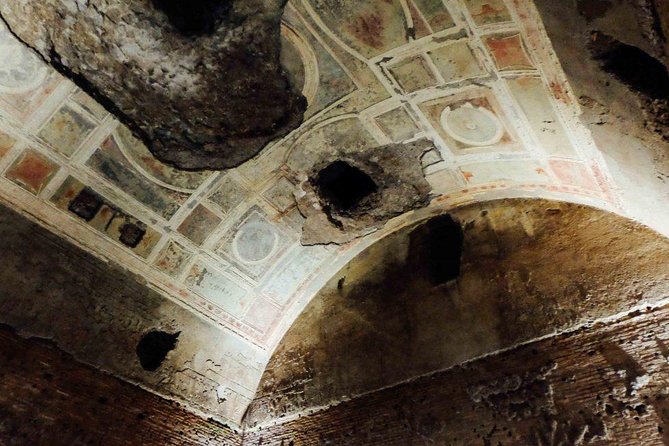
Confirmation is sent when you book, but that first confirmation may not be the entry ticket. Check your email and any in-app messages several days before the visit. Look specifically for the ticket PDF and read the instructions attached to it.
If you cannot find the ticket, contact the provider before tour day. The operator has sent tickets through WhatsApp when customers had trouble locating them, but you should not depend on last-minute troubleshooting at the gate.
Keep these details together:
- The reservation code
- The actual entry ticket
- First and last names of everyone in your group
- The exact meeting address
- The scheduled start time
The tour ends back at the meeting point. You arrange your own transportation, but the site is near public transportation and the Colosseum area.
The activity is non-refundable and cannot be changed for personal reasons. If poor weather cancels the visit, you are offered another date or a full refund. If the minimum number of participants is not reached, you are offered another date or experience, or a full refund.
Should you book Nero’s Golden House?
I would book it if you have already seen Rome’s major monuments, care about ancient decoration, or want a more unusual archaeological visit. The preserved frescoes, restoration work, and VR sequence work together well, and the guide can turn bare rooms into a convincing picture of Nero’s palace.
I would not book it blindly at $60.01. Check direct availability first, then decide if the added cost is worth securing a sold-out date. If you do book, arrive 30 minutes early, wear warm clothing, and make sure you have the actual entry ticket rather than only the reservation confirmation.
The Domus Aurea rewards preparation. Get the logistics right, and you will see a side of ancient Rome that most visitors miss.
FAQ
Where does the Domus Aurea tour start and end?
The tour starts at Via delle Terme di Tito, 72, 00184 Roma RM, Italy. It ends back at the meeting point.
How long does the tour last?
The experience lasts approximately 1 hour and 30 minutes. About one hour is allocated to the Domus Aurea archaeological restoration site.
What does the $60.01 price include?
The price includes the guided tour, entrance to the Domus Aurea, and all fees and taxes. Private transportation is not included.
Is the tour offered in English?
Yes. English is one of the offered tour languages, and the supplied tour information lists English for this experience.
How cold is the Domus Aurea?
The controlled atmosphere inside stays around 10 degrees Celsius, or 50 degrees Fahrenheit, with 100 percent humidity. Bring a coat, jacket, or pullover at any time of year.
How early should I arrive?
You must be at the entrance 30 minutes before the scheduled start time with the reservation code provided for your visit. Late arrival can result in losing the visit.
What documents do I need to enter?
You need the actual entry ticket, not only the booking confirmation. You must also provide the first and last names of all participants, or the entrance staff may refuse admission.
How many people can join the tour?
The maximum group size is 22 participants.
Newest reviews from Rome
- ROME:Colosseum & Ancient Rome – private/small group TOUR★ 5.0 · 24 reviews
- Off the Beaten Track in Rome: Rione VI Parione Private Tour★ 5.0 · 24 reviews
- Rome: Best of Colosseum and Roman Forum Small Group Guided Tour★ 4.5 · 24 reviews
- Cinematic Photoshoot in Rome★ 5.0 · 24 reviews
- The Labyrinth of Rome between catacombs and ancient quarries★ 4.5 · 24 reviews
- Vatican and Trionfale Market Tour with Wine and Food Tasting★ 5.0 · 24 reviews
- private tour: Vatican Museums, Sistine Chapel, St. Peter’s Basilica★ 4.5 · 24 reviews
- Colosseum guided tour with Virtual Reality★ 5.0 · 24 reviews
Domus Aurea Tours, compared.
Trevi Fountain District and Underground Domus Guided Tour
Read our review →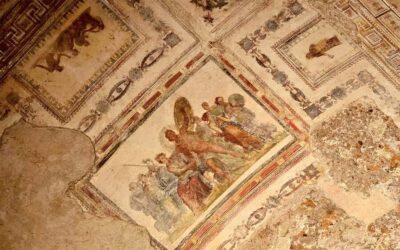
Domus Aurea Guided Tour: The Golden House of Nero
Read our review →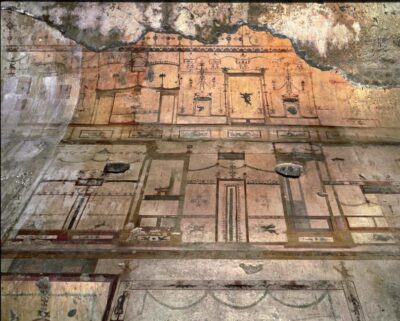
Domus Aurea Guided Tour and Virtual Reality Experience
Read our review →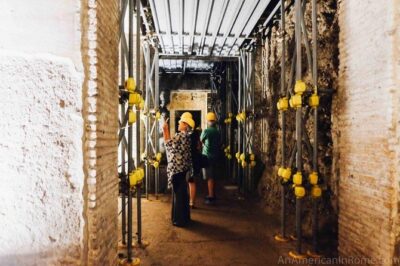
Domus Aurea Tour-Golden House of an Emperor With VR Experience
Read our review →Browse the lists this tour appears in