
Reviewed · DOMUS AUREA TOURS
Rome: Domus Aurea Guided Group Tour
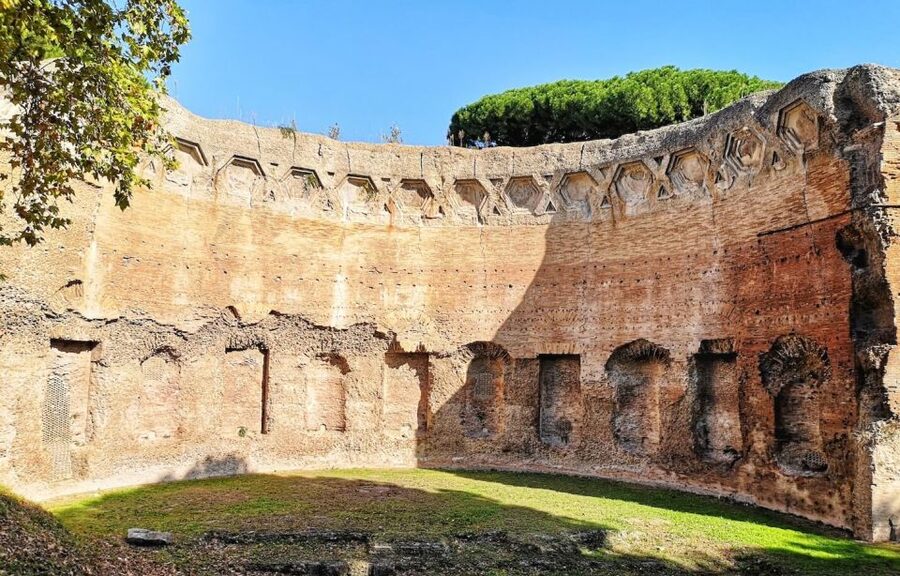
Nero’s Golden House is one of Rome’s strangest time capsules: a vast palace buried beneath the city after the emperor’s death. You descend into dark, excavated rooms where fragments of frescoes and soaring vaults hint at a building that once covered much of central Rome.
I especially like the archaeologist-led storytelling and the virtual reality sequence, which helps you picture the lost palace far better than bare walls ever could. I also like the small-group feel and the chance to visit an active excavation site rather than another crowded monument.
The main consideration is the setting. This is an underground archaeological site with stairs, uneven ground, and dim rooms, so it is not suitable for wheelchair users and may be less comfortable for anyone with mobility concerns.
In This Review
- Key points to know before you book
- Why Nero’s Golden House feels so different from Rome’s other ruins
- Meeting at Oppio Caffè above the buried palace
- Descending into Nero’s underground rooms
- Frescoes, vaults, and the Renaissance connection
- The virtual reality reconstruction is worth your attention
- Two hours is a good length for this visit
- Is the $55 price good value?
- Who will enjoy this tour most?
- Practical tips for a better visit
- Should you book the Domus Aurea tour?
- FAQ
- Where does the Domus Aurea tour meet?
- How do I find the guide?
- How long does the tour last?
- What language is the tour conducted in?
- Is the Domus Aurea entrance included?
- Is transportation included?
- Where does the tour finish?
- Is virtual reality included?
- What should I wear or bring?
- Can wheelchair users join the tour?
- Can I bring luggage or a large bag?
- What happens if I book a student ticket?
Key points to know before you book
- Nero’s palace lies beneath modern Rome: The ruins show how later emperors buried and erased much of the Domus Aurea.
- The virtual reality experience matters: It reconstructs the palace, gardens, water, and decoration that are no longer visible.
- Guides bring the fragments to life: Guides including Valentina, Thomas, Brandon, Marco, Elena, and Monica have been praised for clear, lively explanations.
- You walk through an active excavation site: Preservation work is ongoing, and access can be limited.
- The tour lasts two hours: It begins at Oppio Caffè and finishes at the Domus Aurea, with no transport included.
- Wear proper shoes: Expect steps, staircases, uneven surfaces, cool conditions, and no room for large bags.
Why Nero’s Golden House feels so different from Rome’s other ruins
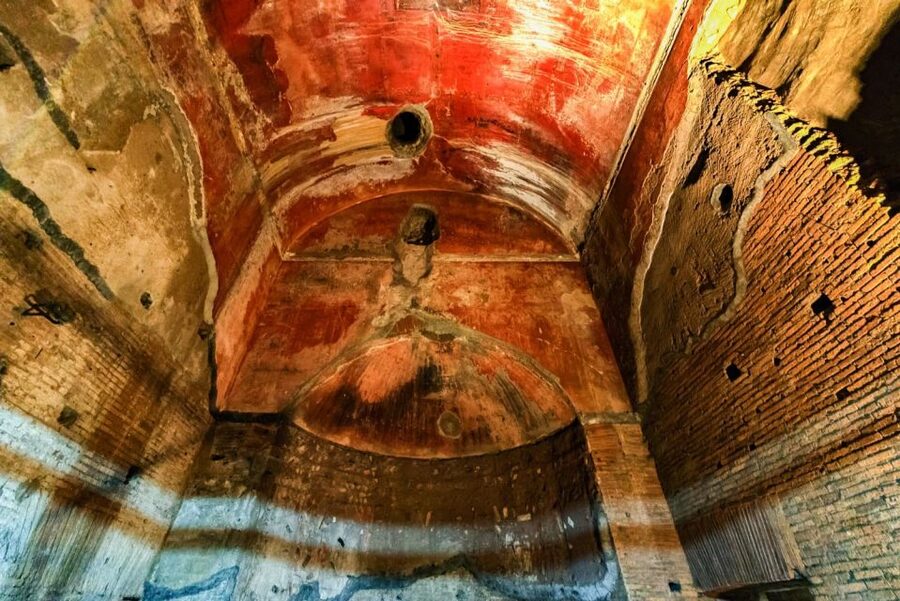
Rome gives you plenty of grand ruins, but the Domus Aurea has a different mood. The Colosseum is open to the sky and easy to read as an arena. Nero’s palace is underground, partly preserved, and almost ghostly. You walk into rooms that were deliberately buried by later rulers, not simply abandoned and left to weather.
The story begins after the great fire of Rome in AD 64. Nero used the destruction as an opportunity to build an enormous private residence across a large part of the city. The name Domus Aurea means Golden House, a reference to its lavish decoration and the sense of royal excess built into the project.
Ancient accounts describe a palace complex with gardens, fountains, a huge artificial lake, and even a rotating dining room open to the night sky. Some details are difficult to verify, but the surviving scale of the rooms makes the basic point clear: this was not a modest imperial residence.
After Nero died in AD 68, his successors moved quickly to distance themselves from him. The artificial lake was filled, and the Colosseum was built on the site only a few years later. The palace itself was covered with earth and later construction. Burying it helped erase Nero’s memory, but it also protected the rooms and their painted decoration.
That reversal is part of what makes the visit so rewarding. Nero’s attempt to disappear the palace from public view eventually preserved pieces of it for modern archaeology.
More Domus Aurea entries:
- Rome: Domus Aurea, Nero’s Golden House guide tour
★ 4.6 · 449 reviews - Rome: Trevi Fountain District and Underground Domus Guided Tour
★ 4.5 · 298 reviews - Rome: Domus Aurea Tour with Virtual Reality Experience
★ 4.5 · 222 reviews
Meeting at Oppio Caffè above the buried palace
Your guide meets you on the corner of Via Nicola Salvi and Via delle Terme di Tito, in front of Oppio Caffè. The address to use with a map is Via delle Terme di Tito 72. Look for the Through Eternity sign or flag.
Give yourself enough time to find the meeting point. The area near the Colosseum and Oppian Hill has several busy streets, paths, and archaeological entrances, and a few extra minutes will keep the start calm. The tour does not include transport, so you make your own way there and leave under your own arrangements.
The opening part is important because the Domus Aurea is easier to understand once you know what once stood above and around it. The guide connects Nero’s palace with the later Colosseum and explains how the building was buried, forgotten, and eventually rediscovered.
One useful detail from the experience is that the company guide may escort the group while an official Domus Aurea guide leads the archaeological visit. This arrangement can vary, but it is worth understanding before you arrive. Some past visitors found the escort harder to hear, especially without an audio system, while the official guide inside was clearer.
If your hearing is not strong, stay near the guide and ask people in the group to leave space around you. A guide such as Valentina, Thomas, or Brandon can make a major difference when the rooms are quiet but acoustically awkward.
Descending into Nero’s underground rooms
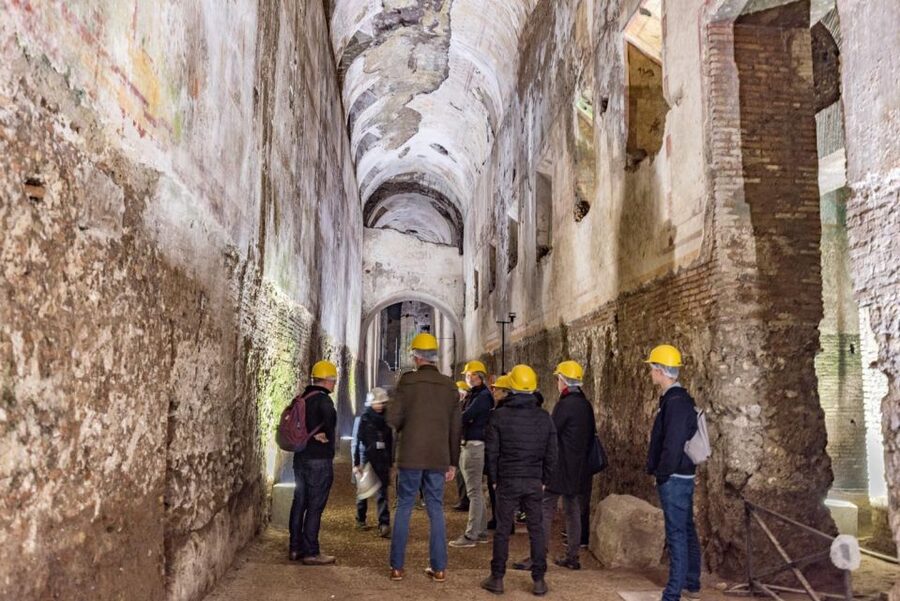
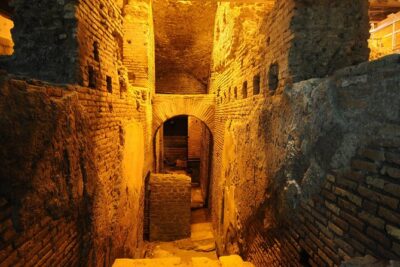
The tour takes you down into the excavated remains. That descent is more than a change of level. It shows how far the modern ground has risen over ancient Rome and how completely later construction covered Nero’s palace.
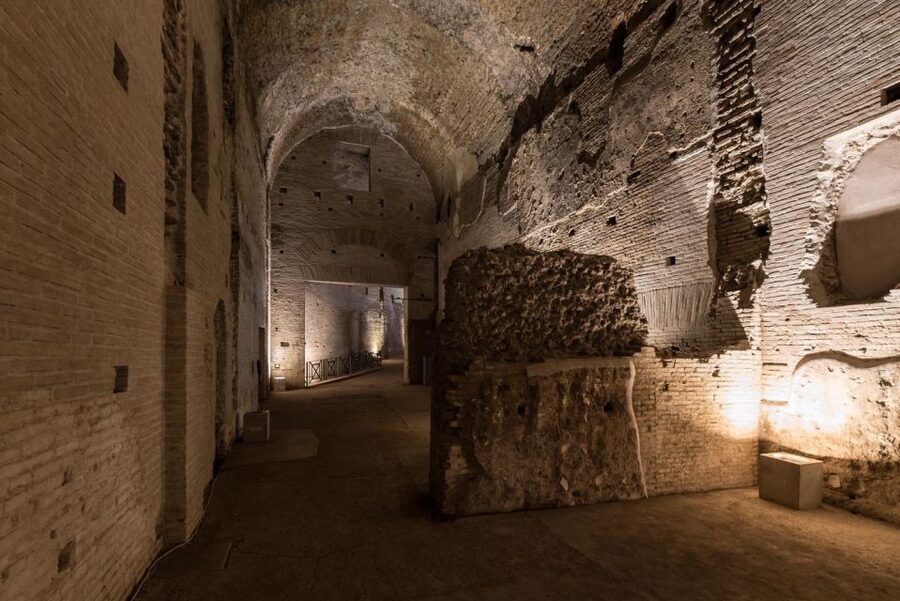
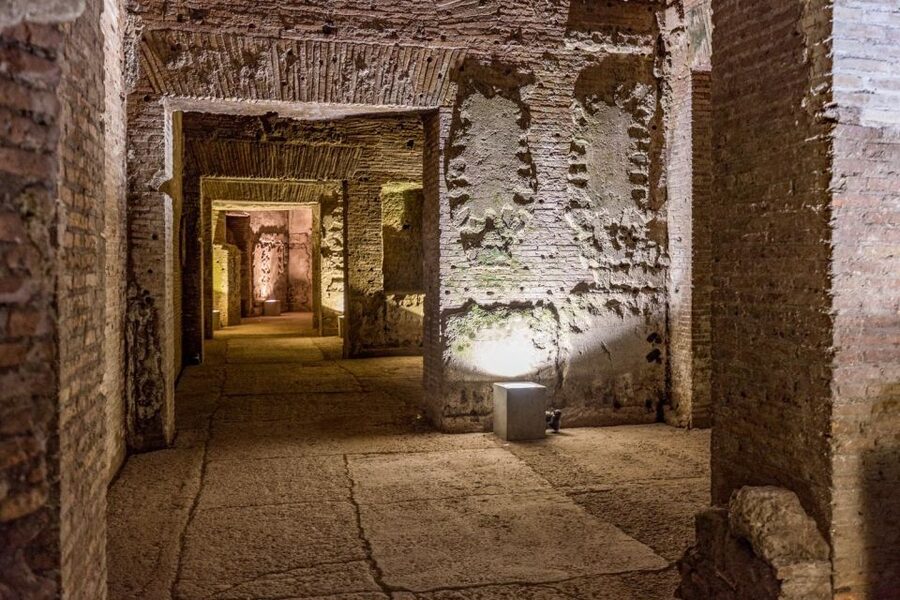
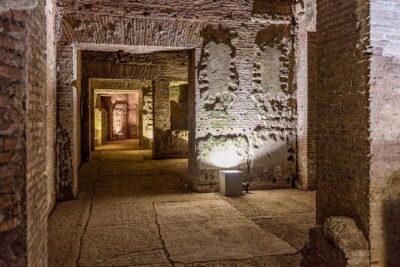
Inside, you move through a succession of rooms with broad walls, curved ceilings, and fragments of painted decoration. Much of the palace is incomplete or damaged, so do not expect a restored imperial interior. The appeal lies in reading the surviving evidence and using the guide’s explanation to fill in what has vanished.
The architecture is impressive even in stripped-down form. The scale of some rooms suggests how ambitious the original complex was, while the vaults show the Roman command of concrete construction. The feeling is less like entering a furnished palace and more like entering its buried skeleton.
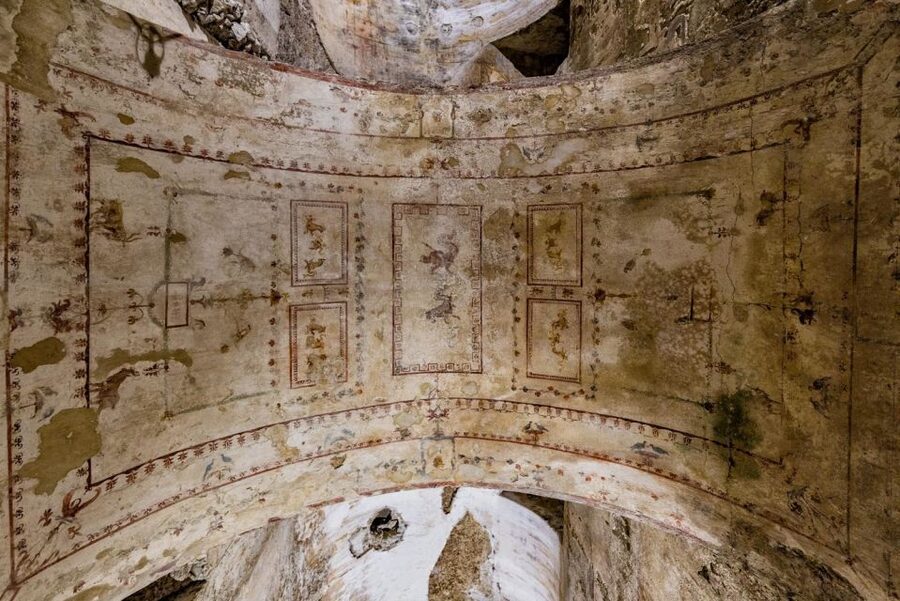
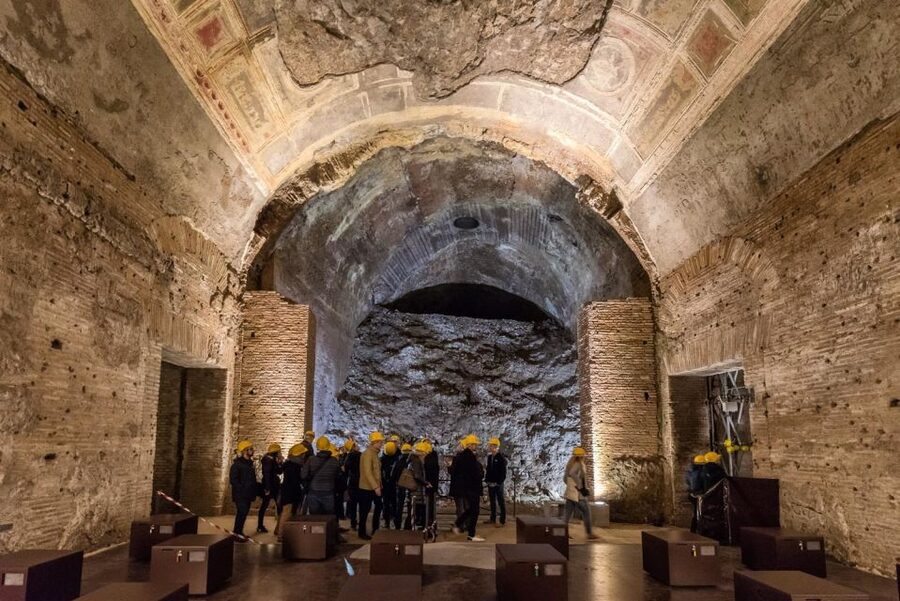
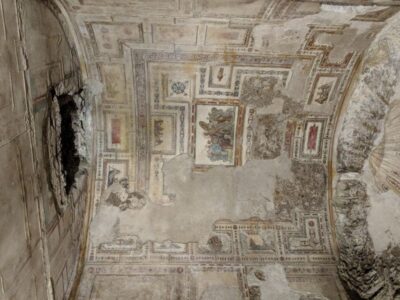
The frescoes are among the most valuable sights. You may see surviving wall paintings, ornamental designs, and traces of color that helped inspire the Renaissance fascination with Roman decoration. The rooms are protected, and access can depend on restoration work, so the exact route and visible details may change.
That active work is part of the point. This is not a finished museum display. Preservation crews and archaeologists are still studying the building, stabilizing surfaces, and working out how to keep it open without damaging it. The site has at times operated only on limited days, so check the available starting times carefully when planning your Rome schedule.
Frescoes, vaults, and the Renaissance connection
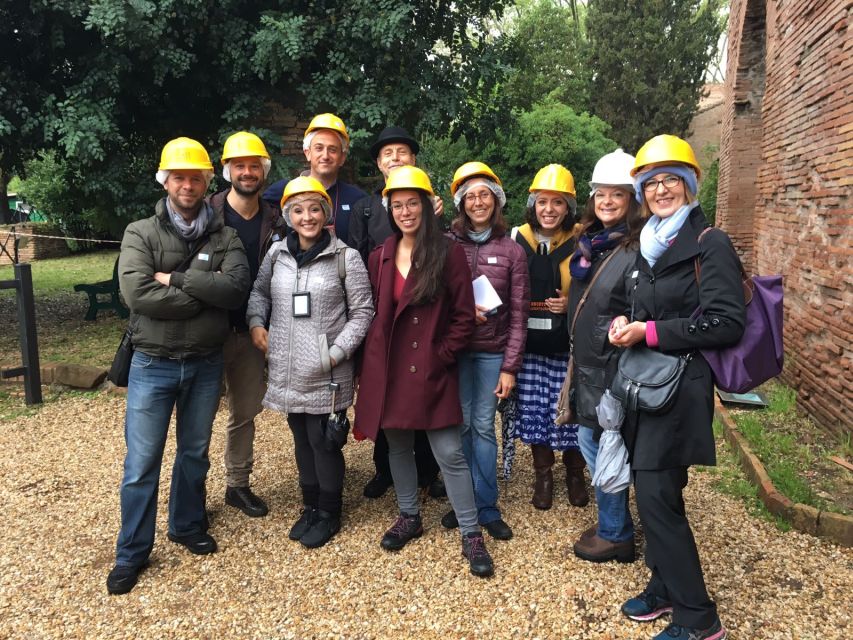
The Domus Aurea had a long afterlife after the palace itself disappeared. During the Renaissance, artists found their way into the buried rooms through openings in the ground. They called these underground spaces grotte, and the decorative style they saw helped inspire the word grotesque.
The visit gives you a useful link between ancient Rome and Renaissance art. You are not only looking at old wall paintings. You are seeing the source of decorative ideas that later appeared in palaces, villas, and churches across Europe.
The surviving frescoes can be easy to miss if you rush. They are not always large, bright scenes in perfect condition. Some are fragments, patterns, or painted details high on a wall. Let your eyes adjust to the low light, and listen closely when the guide points out what remains.
Guides with an archaeology background are especially helpful here. Valentina has been praised for combining solid information with an engaging presentation, while Marco was singled out for explaining Nero’s politics and the palace’s place in Roman history. Elena, Monica, Renata, Frank, Federico, and Patrick have also received strong praise for friendly, lively tours.
Still, the quality of any guided visit depends partly on the guide’s volume and delivery. One past experience found the first guide difficult to hear. That is not a reason to skip the Domus Aurea, but it is a reason to position yourself well and speak up if you are missing the explanation.
More Rome tours worth comparing
- Vatican Museums, Sistine Chapel & St Peter’s Basilica Guided Tour
★ 4.5 · 39,149 reviews - Rome: Colosseum, Palatine Hill and Roman Forum Guided Tour
★ 4.8 · 32,814 reviews - Rome: Guided Tour of Colosseum, Roman Forum & Palatine Hill
★ 4.7 · 27,897 reviews - Rome: Colosseum & Forum with Audio Guide App -Optional Arena
★ 4.2 · 24,770 reviews
The virtual reality reconstruction is worth your attention
The virtual reality portion is the tour’s most useful modern feature. Ancient ruins often force you to imagine too much from too little. A wall fragment tells you that a wall existed. Virtual reality can show you the room, decoration, open spaces, and surrounding complex as a whole.
Here, the technology helps reconstruct Nero’s world at the height of the palace. You can better grasp the scale of the complex, the relationship between indoor rooms and open areas, and the decorative richness that has mostly disappeared.
Several experiences have described the VR sequence as breathtaking or moving, but its real value is practical. It gives you a visual reference for the rooms you have just seen. Afterward, the broken walls seem less empty because you can understand what they once supported.
The presentation also helps families and younger visitors. A long explanation of buried foundations can lose a child quickly. A visual reconstruction gives the history a clear shape and makes Nero’s grand plan easier to follow.
The technology does not replace the ruins. In fact, it works because you see the original remains first. The best approach is to treat the VR section as a bridge between archaeology and imagination, not as a substitute for the site.
Two hours is a good length for this visit
The tour lasts about two hours. That is enough time for the guide to explain Nero, the palace, the later burial, Renaissance rediscovery, architecture, and decoration without turning the visit into an all-day commitment.
I like this length for a Rome itinerary. You can schedule the Domus Aurea alongside the Colosseum, Roman Forum, or Palatine Hill, but do not assume it replaces those visits. The palace tells a different story and uses a different setting.
The underground rooms can feel cool, so bring a light layer even on a hot Roman day. Comfortable shoes are essential because the route includes steps, staircases, and uneven surfaces. Bring water, but leave large luggage and large bags elsewhere. They are not allowed inside.
The site is not suitable for wheelchair users. If anyone in your group has mobility concerns, tell the provider during booking so possible accommodations can be discussed. Because the tour includes a descent and uneven surfaces, this is not a place to treat accessibility as an afterthought.
Is the $55 price good value?
At $55 per person, the tour costs more than simply visiting a small museum, but the price includes the Domus Aurea admission, reservation fees, express security access, an English-speaking guide, and the virtual reality presentation.
The strongest part of the value is access. This is not a monument you can casually wander into from the street. The palace is protected, access is controlled, and the archaeological route may operate on a limited schedule. Paying for a reserved guided visit saves you from trying to arrange the pieces yourself.
The guide also matters more here than at an easy-to-read monument. The ruins are fascinating, but many of their best details are architectural clues and damaged fragments. Without explanation, you might understand that Nero lived here but miss the connections to the Colosseum, Renaissance artists, and Roman building methods.
I would be less enthusiastic about the price if you wanted a quick, self-guided look at polished artworks. The Domus Aurea is raw, partly restored, and sometimes difficult to see. You are paying for access, interpretation, and the reconstruction technology, not for a complete palace interior.
For anyone interested in Roman history, archaeology, architecture, or the Renaissance, I consider $55 fair. For a visitor with limited interest in ancient sites, the Colosseum or Pantheon may offer a more immediately readable experience.
Who will enjoy this tour most?
I would choose the Domus Aurea for you if you have already seen Rome’s major landmarks and want something more unusual. It is also a strong choice if Nero’s story interests you, or if you like seeing how archaeologists work with incomplete evidence.
Families can enjoy it, especially because the guides have handled children’s questions well and the VR segment adds variety. The route is still a walking tour with stairs, so very young children or anyone who tires easily may find it demanding.
History students, architecture fans, and art lovers will get the most from the details. The Renaissance connection is especially useful if you plan to visit the Vatican Museums, Raphael’s rooms, or other buildings decorated with grotesque motifs.
I would skip it if you want wide outdoor views, a fully reconstructed building, or a relaxed route with no steps. I would also avoid placing it immediately after a long day of ancient ruins unless the underground setting genuinely appeals to you.
Practical tips for a better visit
- Arrive at the exact Oppio Caffè meeting point, not simply near the Colosseum.
- Look for the Through Eternity sign or flag.
- Wear shoes with a firm sole for stairs and uneven surfaces.
- Bring a warm layer because the underground rooms can feel cool.
- Stay close to the guide, especially if hearing spoken English is difficult.
- Do not bring luggage or large bags.
- Check the available time before building the rest of your day around the visit.
- Tell the provider about mobility concerns during booking.
- Bring valid student identification if you are booking a student rate. Without it, the full entry price may be charged on the day.
- Give the VR section your full attention. It is the clearest way to understand the palace’s original scale.
Should you book the Domus Aurea tour?
Book it if you want a two-hour visit that goes beyond Rome’s famous open-air monuments. The combination of buried rooms, surviving frescoes, Nero’s extravagant plans, Renaissance rediscovery, and virtual reality makes this one of the more unusual archaeological experiences in the city.
I would not book it simply because you need another ancient ruin. The site is dark, incomplete, and physically uneven. But if you enjoy the detective work of archaeology, the $55 fee buys access and explanation that you would struggle to get on your own.
Choose a time when you are alert, stay near the guide, and wear proper shoes. With those small preparations, the Domus Aurea can give you a sharper sense of both Nero’s ego and the remarkable effort required to preserve what he left behind.
FAQ
Where does the Domus Aurea tour meet?
Your guide meets you on the corner of Via Nicola Salvi and Via delle Terme di Tito, in front of Oppio Caffè. The address for GPS or Google Maps is Via delle Terme di Tito 72.
How do I find the guide?
Look for a Through Eternity sign or flag at the meeting point.
How long does the tour last?
The guided visit lasts two hours.
What language is the tour conducted in?
The tour is conducted in English with a live English-speaking guide.
Is the Domus Aurea entrance included?
Yes. Entry tickets, reservation fees, exclusive access, and express security access are included.
Is transportation included?
No. You must make your own way to the meeting point and from the finishing point.
Where does the tour finish?
The tour finishes at the Domus Aurea.
Is virtual reality included?
Yes. A virtual reality experience is included and shows how Nero’s palace may have looked in its original setting.
What should I wear or bring?
Wear comfortable walking shoes and bring warm clothing and water. The route includes steps, staircases, and uneven surfaces.
Can wheelchair users join the tour?
No. The activity is not suitable for wheelchair users. Tell the provider during booking if anyone in your group has other mobility concerns.
Can I bring luggage or a large bag?
No. Luggage and large bags are not allowed.
What happens if I book a student ticket?
You must show a valid student ID on the day of the tour. Without valid identification, you may be charged the full ticket price for entry on the day.
Newest reviews from Rome
- Rome: Vatican Museums & Sistine Chapel Skip-the-Line Ticket★ 4.4 · 148 reviews
- Shared Shuttle Transfer from Rome to Civitavecchia Port★ 5.0 · 148 reviews
- Rome: Crypts & Catacombs After Hours Tour with Bone Chapel★ 4.6 · 149 reviews
- Ghosts Legends and Mysteries of Rome Walking Tour★ 5.0 · 149 reviews
- Skip the Line: Vatican and Sistine Chapel with Guided Tour★ 4.0 · 149 reviews
- Tivoli: Villa Gregoriana Entrance Ticket★ 4.7 · 150 reviews
- Pizza and Tiramisu Cooking Class in Rome, Piazza Navona★ 5.0 · 150 reviews
- Rome: Borghese Gallery Skip-the-Line Entry and Guided Tour★ 4.7 · 150 reviews
Domus Aurea Tours, compared.
Trevi Fountain District and Underground Domus Guided Tour
Read our review →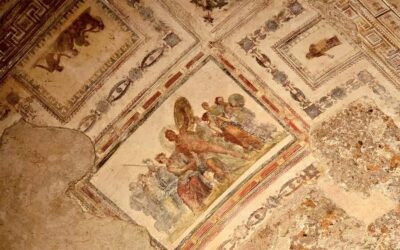
Domus Aurea Guided Tour: The Golden House of Nero
Read our review →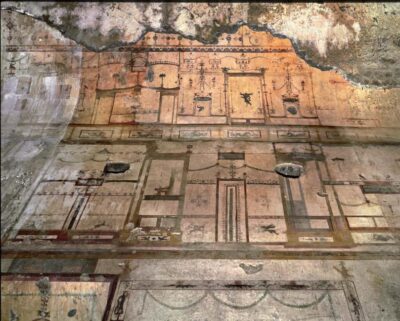
Domus Aurea Guided Tour and Virtual Reality Experience
Read our review →Browse the lists this tour appears in