
Reviewed · JEWISH GHETTO TOURS
Rome: Traditional Cooking Class in the Jewish Ghetto
Rome’s Jewish Ghetto is a fine place to trade a museum queue for a ball of pasta dough. In this three-hour class, you meet a local host outside Taverna del Ghetto, hear stories about the neighborhood, then work with a chef on a traditional Roman meal. The class has the relaxed feel of a family kitchen, with wine in hand and plenty of time to eat what you make.
I especially like the professional restaurant kitchen and the seasonal cooking. Chef Gabriel and other chefs have joined the sessions, while hosts including Lili, Lisa, Livia, Clelia, Asia, and Eleonora have guided and translated. Winter may bring Jewish-style artichokes; summer may bring zucchini flowers for Roman fritto.
The main consideration is that this is a pasta-centered class, not a full culinary school course. You will help with vegetables and other dishes, but one participant found the hands-on cooking limited beyond the pasta. The restaurant is also not kosher, and the class is not suitable for wheelchair users.
In This Review
- Key points at a glance
- Why the Jewish Ghetto makes a good cooking classroom
- Meeting the chef inside Taverna del Ghetto
- Making pasta the old-fashioned way
- Seasonal Roman cooking, from artichokes to zucchini flowers
- Wine, dessert, and the best part of the evening
- What you really get for $94
- How hands-on is the class?
- Dietary needs and practical limitations
- Who should book this Roman cooking class?
- Should you book it?
- FAQ
- Where does the cooking class meet?
- How long does the experience last?
- What language is the class offered in?
- How many people are in the group?
- What food is included?
- Do I get to make pasta from scratch?
- Does the menu change by season?
- Is the class suitable for vegetarians and vegans?
- Is the cooking class kosher?
- Can I join if I need gluten-free food?
Key points at a glance
- Cook in Taverna del Ghetto: Meet outside the restaurant, then work with a chef in a real professional kitchen.
- Make fresh pasta by hand: Learn a simple grandmother-style method you can repeat at home, including the use of an old crank machine.
- Taste Roman seasonal food: Artichokes in winter and zucchini flowers or other fresh vegetables in summer may shape the menu.
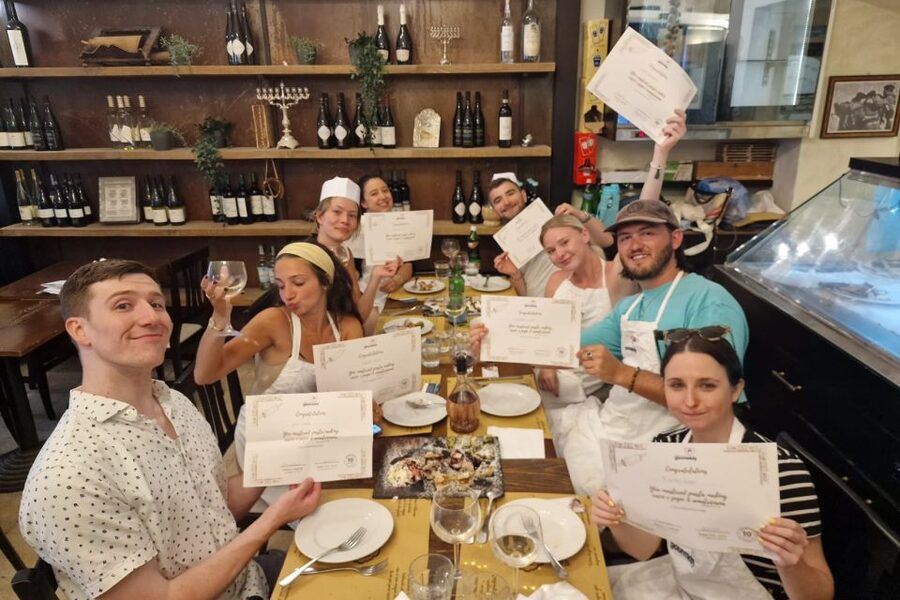
- Eat a complete meal: The program includes homemade pasta, a seasonal main course, traditional dessert, wine, and bottled water.
- Keep the class personal: Groups are limited to 10, with an English-speaking host helping explain the chef’s Italian.
- Leave with useful extras: You receive recipes plus tips and recommendations for the rest of your time in Rome.
Why the Jewish Ghetto makes a good cooking classroom
The setting gives this class more character than a generic pasta lesson in a hotel kitchen. Rome’s Jewish Ghetto is one of the city’s most distinctive food neighborhoods, and the class uses that setting to discuss local ingredients, traditions, legends, and the area’s particular Jewish-Roman cooking style.
You meet your foodie guide outside Taverna del Ghetto, right in the heart of the quarter. The meeting point is specific and easy to identify, with the restaurant name on the door. From there, your host introduces the district before taking you inside for the cooking session.
That short neighborhood element matters. You are not only learning how to mix flour and eggs. You are also getting a little context for dishes such as Roman artichokes and the food traditions tied to this part of the city. Guides such as Lili and Lisa have been praised for making the history accessible, while Asia and Eleonora have helped bridge the gap when the chef speaks Italian.
Do not expect a formal lecture. The tone is informal, social, and easy-going. You might hear a story while your hands are covered in flour, which is a better way to remember it than reading a paragraph on a museum wall.
More Jewish Ghetto walks:
- Rome: Trastevere or Jewish Quarter Street Food Tour
★ 4.8 · 3,839 reviews - Jewish Ghetto and Trastevere Tour Rome
★ 4.5 · 1,729 reviews - Jewish Ghetto and Synagogues with Jewish Roman Guide 3 Hours
★ 5.0 · 907 reviews
Meeting the chef inside Taverna del Ghetto
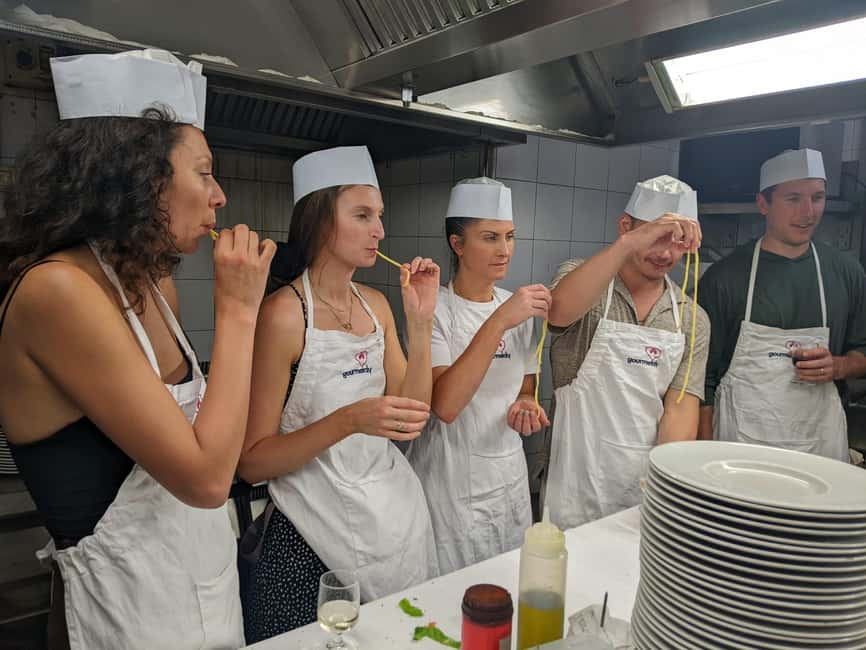
Once inside, you meet the chef and gather around the work area. This is not a demonstration where you sit at a distance and watch every step. The central activity is hands-on, though you can also choose to observe with a glass of wine if you prefer not to cook.
The chefs have included Gabriel and Yura, and the host usually helps translate and explain the techniques. That arrangement can be part of the fun. You get the chef’s practical instruction, the guide’s English explanation, and the lively back-and-forth that comes from working in a restaurant where Italian is the working language.
One particularly appealing detail is the chance to enter the restaurant kitchen. You may see how the chef finishes the food and handles the sauces, including the secrets behind cacio e pepe. You are not simply making a dish in a classroom and eating a separate meal later. The lesson connects your work at the table with the way the restaurant prepares Roman food.
The class is limited to 10 participants. That is small enough for the guide and chef to check your dough, correct your technique, and answer questions without turning the activity into a private lesson. It also leaves room for conversation among the group, which is a large part of the evening’s appeal.
Making pasta the old-fashioned way
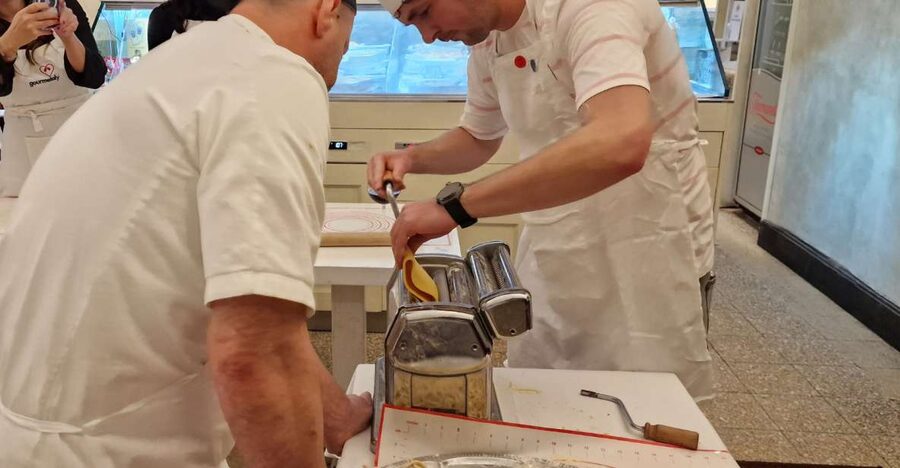
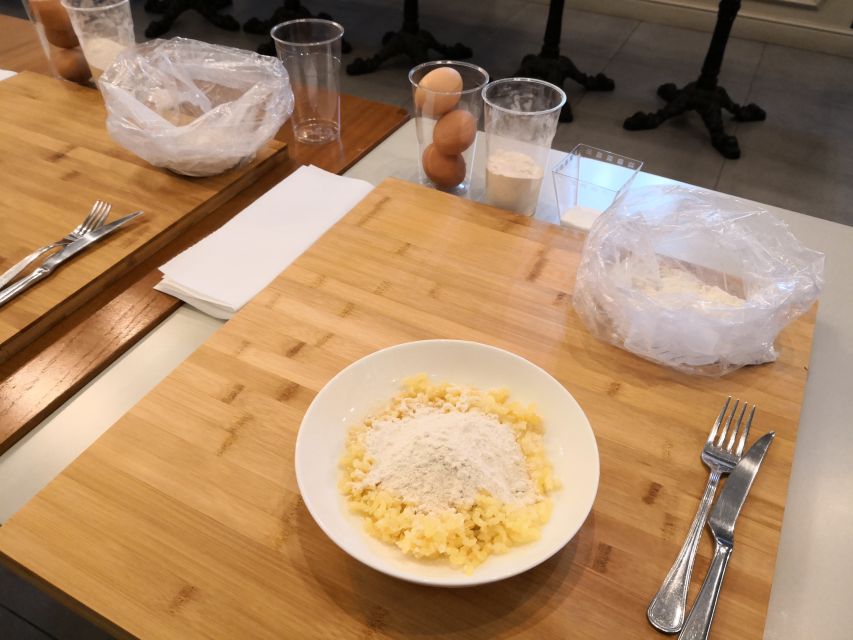
The main lesson begins with fresh pasta from scratch. You work the dough, learn which flour is best for the preparation, and use a traditional-style method associated with home cooking. An old crank pasta machine may be part of the process, adding a pleasing bit of physical work to the lesson.
The method is meant to be practical. You receive the recipes afterward, and the ingredients and steps are simple enough to try in your own kitchen. Several participants have left feeling able to repeat at least some of the dishes at home, which is the right measure for a vacation cooking class.
You should set your expectations correctly. The experience does not promise a long series of separate pasta shapes or advanced knife skills. The pasta is the star, and the rest of the class supports the meal around it. If you are looking for a highly technical course focused on several sauces, doughs, and cooking methods, this may feel light.
If you are looking for an approachable first lesson, the format works well. You can get your hands into the dough, watch the chef, ask questions, and enjoy the food without spending a full day on culinary instruction.
Seasonal Roman cooking, from artichokes to zucchini flowers
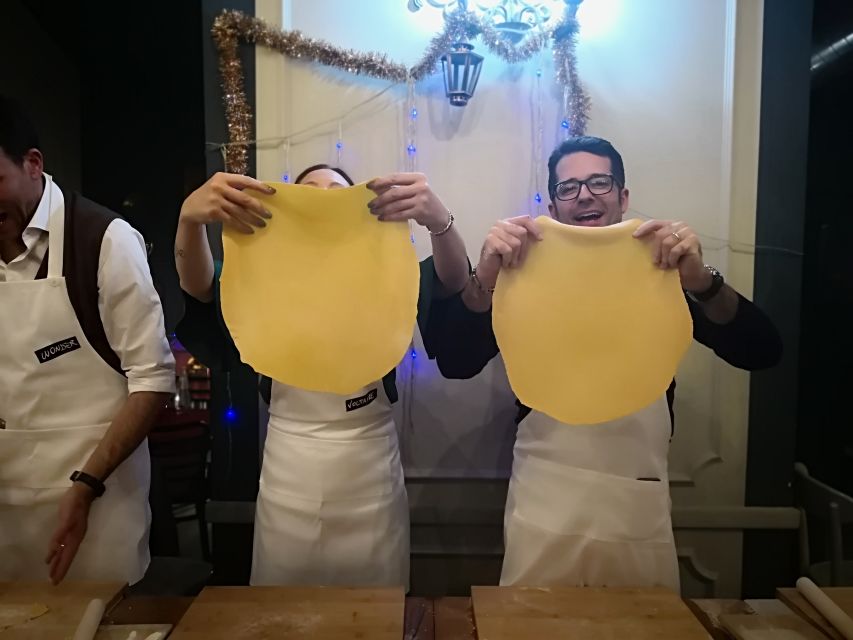
The menu changes with the season, which is one of the class’s strongest features. In winter, you may learn how to peel and prepare artichokes in the Jewish style. Artichokes require more care than their appearance suggests, so this is a useful bit of Roman kitchen practice rather than a decorative side dish.
In summer, the lesson may turn to zucchini flowers or another fresh vegetable used in fritto romano. Cleaning and preparing the vegetables gives the class a little more range than pasta alone. It also shows you how Roman cooking makes the most of what is available at the market.
The advertised meal includes three courses: fresh homemade pasta, a seasonal main course, and a traditional dessert. The exact menu can shift, so you should think of the class as a seasonal Roman dinner rather than a fixed recipe list.
The reviews describe some sessions with an appetizer, pasta served in two preparations, and a dessert flight. That suggests the amount of food can be generous, though the precise meal may vary by date and season. You should arrive ready for a substantial dinner, not a small tasting.
More cooking classes in Rome:
- 3 in 1 Cooking Class near Navona: Fettuccine, Ravioli & Tiramisu
★ 5.0 · 7,376 reviews - Rome: Pasta Making Class with Wine, Limoncello, and Dessert
★ 4.9 · 3,177 reviews - Rome: 3-in-1 Fettuccine, Ravioli, and Tiramisu Cooking Class
★ 4.9 · 2,704 reviews - Rome: Fettuccine Pasta Cooking Class in Rome’s City Center
★ 4.8 · 2,414 reviews
Wine, dessert, and the best part of the evening
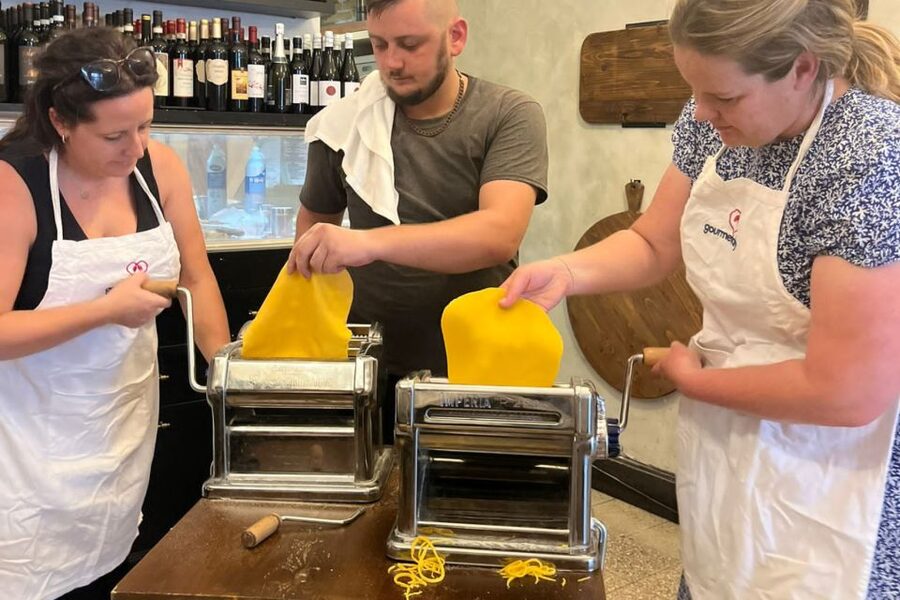
Italian wine and bottled water are included. Wine is poured during the cooking and meal, giving the class a social rhythm. If you do not want to cook every step, you can sit back with a glass and watch the chef work.
Dessert is a special part of the menu. The featured sweet is torta di ricotta e visciola, a ricotta cheesecake made with sour cherries and straightforward ingredients. It is a traditional Roman finish and a pleasant change from the tiramisu that appears on so many city menus.
The balance of cooking and eating is well judged for a three-hour activity. You spend enough time doing something with your hands, then sit down to enjoy the results. Many cooking classes leave you hungry because the food is treated as a sample. Here, the meal is part of what you pay for.
The social side also matters. You share the table with the people in your group, the guide, and sometimes the chef. Families have found it especially enjoyable, and teenagers aged 13 and 15 once rated the class as the highlight of their Italy trip. That tells you something about the pace: it is active enough for younger participants but not so technical that they feel lost.
What you really get for $94
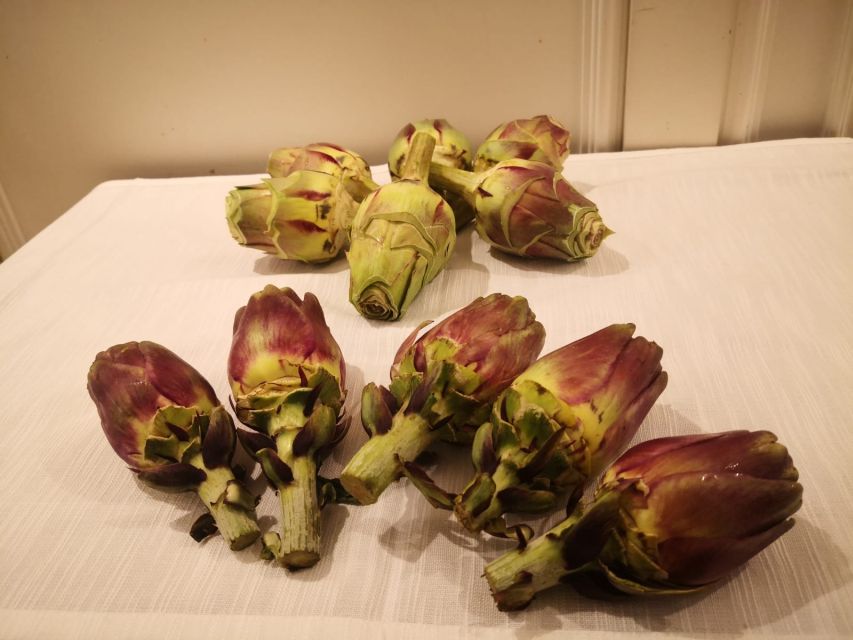
At $94 per person, this is not the cheapest pasta lesson in Rome. But the price includes three hours, a small group of up to 10, kitchen instruction, all equipment, wine, water, a three-course meal, recipes, and local suggestions for the days ahead.
The value depends on what you want from a food activity. If you only want to learn the mechanics of pasta, you can find shorter and less expensive lessons. If you want an evening that combines neighborhood background, a chef-led class, dinner, drinks, and conversation, the cost is easier to justify.
I also like that the experience takes place in an operating restaurant. You are not buying a polished show built around a tourist menu. You get to see the chef at work and connect the lesson to the food being served. That restaurant setting gives the class its strongest sense of place.
The small group helps protect the value. A class of 20 or 30 would make the pasta work feel more like a demonstration. With 10 or fewer, the chef can offer feedback, and the host can translate without rushing through every explanation.
How hands-on is the class?
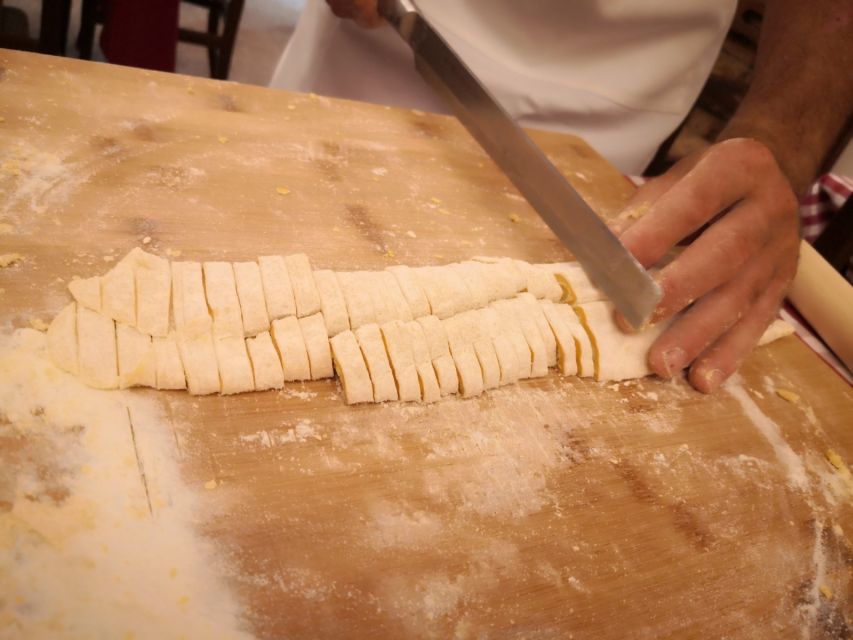
The answer is: hands-on, but with limits. You will make pasta and take part in preparing seasonal vegetables. You can also watch the chef cook, go into the kitchen, and help with parts of the finishing process.
The pasta work is the clear center of the activity. One participant felt there was not enough cooking beyond making one type of pasta, while others enjoyed the chance to see the chef handle the sauces and restaurant preparation. Both impressions can be true.
I would book this class if you want to learn one useful Roman skill and have a relaxed dinner around it. I would choose another activity if you want to prepare every course from start to finish or practice several advanced techniques.
The option to watch rather than participate is useful for mixed groups. One person can work the dough while another sips wine and follows the demonstration. Still, the class makes most sense when you are willing to get involved, even if your pasta is not perfectly shaped.
Dietary needs and practical limitations
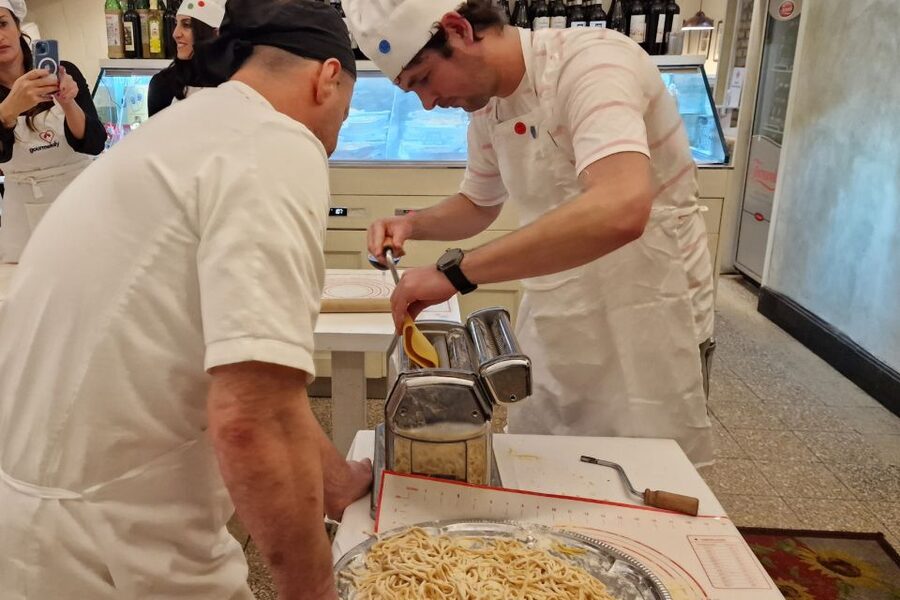
Vegetarians and vegans are welcome, and the hosts have accommodated both successfully. You should state your dietary needs when booking so the kitchen can plan the meal. The supplied information does not promise a fully separate vegan menu, so ask for confirmation if your requirements are strict.
The class is not gluten-free in its main pasta preparation. You may touch the flour if that is safe for you, then eat packaged gluten-free pasta instead. This is not suitable for anyone with a serious gluten allergy who cannot be around flour.
Potential allergens include milk, eggs, soya, mustard, nuts, and gluten. Check carefully before booking if any of these create a health risk. The restaurant is not kosher, despite being in the Jewish Ghetto, so observant kosher diners should not book it on the assumption that the location guarantees kosher food.
Pets are not allowed. The activity is also listed as unsuitable for wheelchair users, so contact the provider before booking if you have mobility concerns. Hotel pickup and drop-off are not included, and you meet at the restaurant.
Free cancellation is available up to 24 hours before the activity for a full refund. You can also reserve now and pay later, which is handy when your Rome plans are still shifting.
Who should book this Roman cooking class?
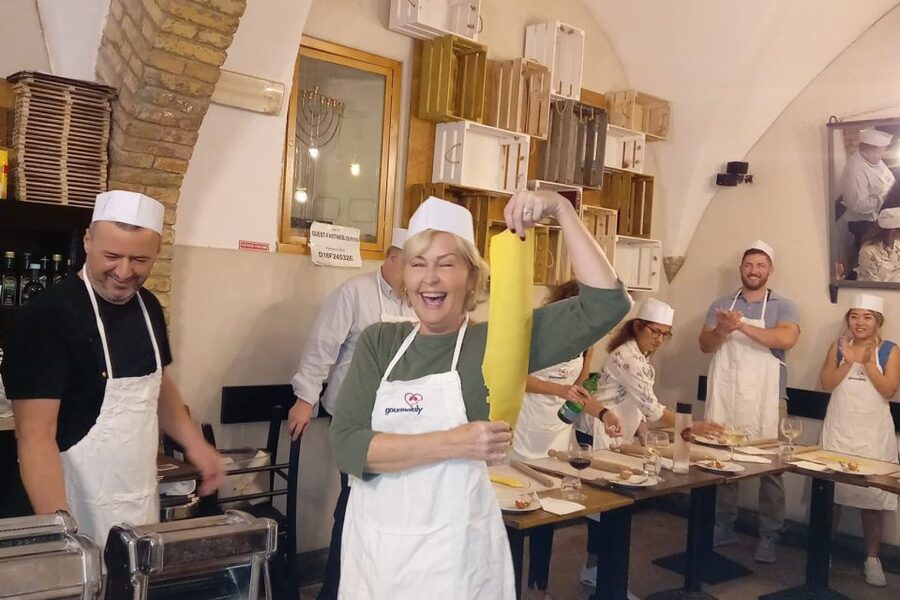
I would recommend it most strongly to:
- Couples who want a relaxed food-focused evening.
- Families with children or teenagers who need a break from monuments.
- First-time cooks who want a recipe they can repeat at home.
- Solo visitors who enjoy meeting people around a shared meal.
- Vegetarians and vegans who confirm the arrangements in advance.
- Food lovers interested in the Jewish Ghetto and Roman traditions.
It is less suitable for a serious cooking student who wants detailed instruction on many dishes. It is also a poor fit for anyone needing a kosher, fully gluten-free, or wheelchair-accessible activity.
English is the listed language, and the guide acts as the main bridge between you and the chef. The combination of English explanations and an Italian kitchen gives the session a local feel without leaving you guessing about what to do.
Should you book it?
Book this class if you want one memorable Roman evening, not a formal cooking qualification. The strongest reasons are the small group, the chef in a real restaurant kitchen, the seasonal dishes, and the useful recipes and Rome tips you take home.
I would place it high on a family itinerary or on a trip where you have already seen the major sights and want to meet the city through food. Just remember that pasta is the main lesson, the menu changes, and the restaurant is not kosher. At $94, the experience earns its price when you value the full evening: neighborhood stories, cooking, wine, dinner, and a little Roman know-how for your own kitchen.
FAQ
Where does the cooking class meet?
You meet your foodie guide outside Taverna del Ghetto in the Jewish Ghetto.
How long does the experience last?
The cooking class lasts three hours.
What language is the class offered in?
The listed language is English. The English-speaking host helps explain the chef’s instruction.
How many people are in the group?
The class is limited to 10 participants.
What food is included?
The included meal has fresh homemade pasta, a seasonal main course, and a traditional dessert. Italian wine and bottled water are also included.
Do I get to make pasta from scratch?
Yes. Fresh pasta from scratch is the central cooking lesson, and recipes are provided at the end.
Does the menu change by season?
Yes. Winter sessions may include Jewish-style artichokes, while summer sessions may include zucchini flowers or another fresh vegetable for Roman-style frying.
Is the class suitable for vegetarians and vegans?
Yes, vegetarians and vegan participants are welcome. You should provide your dietary details when booking.
Is the cooking class kosher?
No. The restaurant and cooking class are not kosher.
Can I join if I need gluten-free food?
The pasta made during the class is not gluten-free. If you can safely touch flour, you may join and eat packaged gluten-free pasta instead. Allergens may include milk, eggs, soya, mustard, nuts, and gluten.
More Workshops in Rome
- Rome: Pasta & Tiramisu Class with Fine Wine by the Vatican
★ 4.9 · 4,852 reviews - Rome: Traditional Pasta with Cocktails Cooking Class
★ 5.0 · 2,374 reviews - Become a Masterchef in Rome: Pasta, Ravioli and Tiramisù Class
★ 5.0 · 2,156 reviews - Rome: Fettuccine and Tiramisu Cooking Class with Wine
★ 4.8 · 2,013 reviews
Newest reviews from Rome
- ROME:Colosseum & Ancient Rome – private/small group TOUR★ 5.0 · 24 reviews
- Off the Beaten Track in Rome: Rione VI Parione Private Tour★ 5.0 · 24 reviews
- Cinematic Photoshoot in Rome★ 5.0 · 24 reviews
- Rome: Best of Colosseum and Roman Forum Small Group Guided Tour★ 4.5 · 24 reviews
- The Labyrinth of Rome between catacombs and ancient quarries★ 4.5 · 24 reviews
- Vatican and Trionfale Market Tour with Wine and Food Tasting★ 5.0 · 24 reviews
- private tour: Vatican Museums, Sistine Chapel, St. Peter’s Basilica★ 4.5 · 24 reviews
- Skip the Line: Vatican Wheelchair Accessible Private Tour★ 5.0 · 24 reviews
Jewish Ghetto Tours, compared.
Trastevere or Jewish Quarter Street Food Tour
Read our review →
Eat Like a Roman Ghetto & Campo de’ Fiori Food Tour
Read our review →
Jewish Ghetto & Piazza Navona: Food, Wine & Sightseeing Rome Tour
Read our review →
Food & Wine Tour of Campo de Fiori, Ghetto, Trastevere
Read our review →
Jewish Ghetto and Campo Dè Fiori By Night Food, Wine and Sightseeing Tour
Read our review →
Trastevere and Rome’s Jewish Ghetto Half-Day Walking Tour
Read our review →
Jewish Ghetto & Campo de Fiori by Night Food Wine Tour
Read our review →Browse the lists this tour appears in